Understanding Diabetes and Diet in Gumla
Diabetes, a chronic condition affecting millions, requires careful management, especially concerning diet. For those residing in Gumla, understanding how to adapt dietary habits to local food availability is crucial.
We aim to provide a reliable guide for managing diabetes effectively through a structured diet plan, incorporating regional influences.
Globally, diabetes prevalence is rising. India has an estimated 77 million adults living with diabetes (IDF Atlas 10th Edition, 2021). This figure is projected to reach 134 million by 2045.
Locally, understanding these trends within the context of Gumla and Jharkhand is vital for proactive health management. Practicing physicians in Gumla often encounter individuals struggling to balance traditional diets with the demands of diabetes care.
The Pillars of a Diabetic Diet
A diabetes diet plan focuses on balancing macronutrients – carbohydrates, proteins, and fats – to maintain stable blood glucose levels. Carbohydrates are a primary source of energy, but their type and quantity significantly impact blood sugar. Complex carbohydrates, found in whole grains and vegetables, are preferred over simple sugars.
Proteins help in satiety and do not drastically affect blood sugar. Healthy fats are essential for overall health and can improve insulin sensitivity.
Key Dietary Components
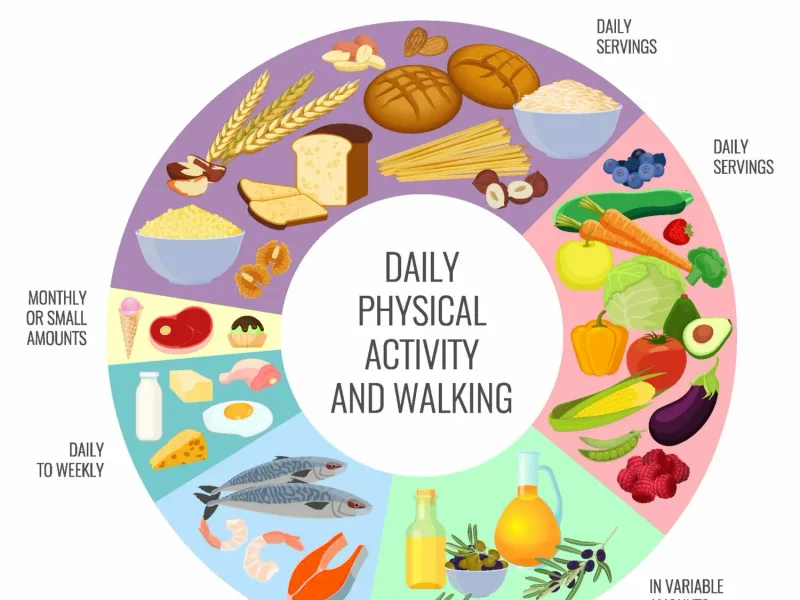
- Complex Carbohydrates: Whole grains like atta (whole wheat flour), millets (ragi, jowar), and brown rice are excellent choices. These digest slowly, preventing sharp spikes in blood glucose.
- Lean Proteins: Include lentils (dal), beans, chickpeas (chana), tofu, and lean meats or fish. Protein intake should be moderate and spread throughout the day.
- Healthy Fats: Nuts (almonds, walnuts), seeds (flax, chia), avocados, and healthy cooking oils like mustard oil or olive oil are beneficial. Limit saturated and trans fats.
- Fiber-Rich Foods: Non-starchy vegetables (leafy greens, gourds, tomatoes, onions) and fruits with a low glycemic index (berries, apples, guava) are vital. Fiber aids digestion and blood sugar control.
Adapting to Gumla's Local Food Landscape
Gumla, nestled in Jharkhand, offers a unique culinary landscape influenced by tribal traditions and regional produce. Incorporating local foods into a diabetes management plan can make adherence easier and more sustainable. Think about it this way: embracing local ingredients doesn't mean compromising on health; it means smart adaptation.
Recovery is rarely linear.
Staples and Grains
Traditional staples in Gumla include rice, atta, and millets. While rice is a common carbohydrate source, portion control is paramount. Opting for brown rice or millets like ragi (finger millet) and kodo (kodo millet) can be more beneficial. These millets are often grown locally and are rich in fiber and minerals. A study published in the Indian Journal of Medical Research highlighted the potential of millets in improving glycemic control in Indian populations.
Vegetables and Fruits
The region is rich in seasonal vegetables. Leafy greens like spinach (palak), fenugreek leaves (methi), and local varieties are excellent sources of vitamins and minerals. Other beneficial vegetables include gourds (lauki, tori), okra (bhindi), and cauliflower (gobhi). For fruits, prioritize those with a lower glycemic index. Guava (amrood), apples (seb), and berries are generally good choices. Avoid overripe fruits and large portions of high-sugar fruits like mangoes or bananas, especially if blood sugar levels are not well-controlled.
Proteins and Legumes
Lentils (dal) are a cornerstone of Indian cuisine and are readily available. Varieties like moong dal, masoor dal, and arhar dal provide essential protein and fiber. Local beans and chickpeas are also valuable additions. For non-vegetarians, lean preparations of chicken or fish are preferable over red meat.
Crafting a Sample Diabetes Diet Plan for Gumla
This sample plan is a guideline and should be customized based on individual needs, activity levels, and physician recommendations. Remember, consistency is key.
Early Morning (6:00 AM - 7:00 AM)
- A glass of warm water with soaked fenugreek seeds (methi dana) or jamun seeds.
- Alternatively, a small bowl of papaya or 1-2 soaked almonds.
Breakfast (8:00 AM - 9:00 AM)
- Option 1: 2 small whole wheat rotis (chapatis) with a bowl of mixed vegetable curry (low oil, no potato/sweet potato).
- Option 2: A bowl of poha (flattened rice) made with plenty of vegetables and minimal oil.
- Option 3: A bowl of upma made from broken wheat (dalia) or millets, with added vegetables.
- Option 4: 2 idlis with sambar (ensure sambar is vegetable-heavy and low on potato).
Mid-Morning Snack (11:00 AM - 11:30 AM)
- A seasonal low-GI fruit like guava, apple, or a small bowl of berries.
- Or, a small bowl of plain yogurt (curd).
Lunch (1:00 PM - 2:00 PM)
- 1-2 small whole wheat rotis or a small bowl of brown rice/millet.
- A large bowl of lentil soup (dal).
- A generous portion of mixed vegetable curry or stir-fry (ensure adequate fiber from vegetables).
- A small bowl of salad (cucumber, tomato, onion).
Evening Snack (4:30 PM - 5:00 PM)
- A cup of unsweetened tea or coffee.
- A small handful of roasted chana (chickpeas) or unsalted nuts.
- Or, sprouts salad.
Dinner (7:30 PM - 8:30 PM)
- Option 1: Similar to lunch, perhaps focusing more on vegetables and protein, with a smaller portion of complex carbohydrates. 1 small roti or a small bowl of rice.
- Option 2: A bowl of vegetable soup with added lentils or chicken pieces.
- Option 3: Grilled fish or chicken with a side of steamed vegetables.
Before Bed (Optional, if needed)
- A small glass of milk (low-fat, unsweetened).
Crucial Lifestyle Modifications
Diet is a vital component, but managing diabetes effectively involves a holistic approach. Regular physical activity is essential for improving insulin sensitivity and managing weight.
The World Health Organization (WHO) recommends at least 150 minutes of moderate-intensity aerobic activity per week for adults. In Gumla, this could involve brisk walking, cycling, or engaging in local forms of exercise.
Stress management is another key area. Chronic stress can elevate blood sugar levels. Practices like yoga, meditation, or simply spending time in nature can be beneficial. Honestly, living with a chronic problem like diabetes is genuinely hard, and emotional well-being plays a significant role.
Regular monitoring of blood glucose levels is non-negotiable. Home monitoring using a glucometer allows individuals to understand how different foods and activities affect their sugar levels. What should you actually do? Track your readings consistently and discuss them with your physician.
Understanding Glycemic Index and Load
The Glycemic Index (GI) ranks foods based on how quickly they raise blood glucose levels. Foods with a low GI (55 or less) are digested and absorbed more slowly, causing a gentler rise in blood sugar. The Glycemic Load (GL) considers both the GI of a food and the amount of carbohydrate in a serving, providing a more complete picture.
That's the part worth remembering.
For individuals with diabetes, choosing low-GI and low-GL foods is a proven strategy for better blood sugar control. For instance, while watermelon has a relatively high GI, its low GL means a standard serving may not drastically impact blood sugar compared to a high-GL food like puffed rice.
Hydration and Beverages
Staying adequately hydrated is important for everyone, including those with diabetes. Water is the best choice. Unsweetened tea and coffee in moderation are also acceptable.
Avoid sugary drinks like sodas, fruit juices (even 100% juice can be high in sugar), and sweetened beverages. These provide empty calories and can cause rapid spikes in blood glucose. Practically speaking, carrying a water bottle can be a simple yet effective habit.
The Role of Physicians and Specialists
Consulting healthcare professionals is paramount. Your physician can aid tailor a diet plan specific to your needs, considering any co-existing conditions. A registered dietitian or a certified diabetes educator can provide in-depth guidance on meal planning, portion control, and making healthier food choices.
In many cases, a collaborative approach between the patient, physician, and dietitian yields the best outcomes. The Indian Council of Medical Research (ICMR) emphasizes personalized care plans for diabetes management.
Recovery is rarely linear.
frequent Pitfalls to Avoid
Many individuals fall into frequent dietary traps. Overconsumption of carbohydrates, particularly refined ones like white bread, pasta, and sugary snacks, is a frequent issue. Skipping meals can lead to overeating later and erratic blood sugar levels.
Relying too heavily on processed foods, which are often high in sodium, unhealthy fats, and hidden sugars, should also be avoided. So what does that mean for you? It means being mindful of every meal and snack.
Nutritional Data Snapshot (Illustrative)
To illustrate the impact of food choices:
- 1 cup cooked white rice: ~200 calories, ~45g carbs, ~0.5g fiber.
- 1 cup cooked brown rice: ~215 calories, ~45g carbs, ~3.5g fiber.
- 1 medium apple: ~95 calories, ~25g carbs, ~4g fiber.
- 1 cup cooked lentils (dal): ~230 calories, ~40g carbs, ~15g fiber.
These figures highlight how choosing whole grains and fiber-rich options can offer more sustained energy and better satiety without causing notable blood sugar fluctuations. This data, while simplified, underscores the importance of selecting nutrient-dense foods.
Moving Forward with Confidence
Managing diabetes is a journey, not a destination. By understanding the principles of a balanced diet and adapting them to the local context of Gumla, individuals can significantly enhance their health outcomes. Embrace the fresh produce and traditional grains available, making informed choices consistently.
That alone changes everything.
Remember, small, sustainable changes lead to long-term success. You have the power to take control of your health, one meal at a time.
Key Takeaways
- Prioritize complex carbohydrates like millets and whole wheat over refined grains.
- Incorporate ample fiber from non-starchy vegetables and low-GI fruits.
- Practice portion control, especially with rice and starchy vegetables.
- Combine dietary changes with regular physical activity and stress management.
- Regularly consult with healthcare professionals for personalized guidance.
Frequently Asked Questions
Can I eat rice if I have diabetes?
Yes, you can eat rice, but portion control is vital. Opt for brown rice or millets more often than white rice. Your physician or dietitian can advise on the appropriate serving size based on your individual needs and blood sugar control.
What are the best local vegetables for diabetics in Gumla?
Leafy greens like spinach and local varieties are excellent choices due to their high fiber and nutrient content. Other beneficial vegetables include gourds, okra, and cauliflower. Avoid starchy vegetables like potatoes and sweet potatoes in large quantities.
How much physical activity is recommended for diabetics?
The WHO recommends at least 150 minutes of moderate-intensity aerobic activity per week. This could include brisk walking, cycling, or swimming. Consistency is more key than intensity for long-term benefits.
Are Indian sweets permissible in a diabetes diet?
Traditional Indian sweets are generally high in sugar and should be consumed very rarely, if at all. If you have a craving, opt for healthier, sugar-free alternatives or very small portions of fruits. Always discuss with your doctor before making marked dietary changes.
That alone changes everything.