Understanding Diabetes in Hazaribagh
Diabetes mellitus, a chronic condition affecting millions, requires careful management, especially concerning diet. In Hazaribagh, like elsewhere in India, understanding how local foods impact blood sugar levels is vital.
We often see patients struggling to reconcile traditional eating habits with modern dietary recommendations for diabetes. This guide offers practical, evidence-based advice for those in Hazaribagh seeking to manage their diabetes effectively through diet.
The reality is, a diabetes diet plan isn't about deprivation; it's about informed choices. It focuses on balancing macronutrients—carbohydrates, proteins, and fats—to maintain stable blood glucose levels.
The Indian Council of Medical Research (ICMR) emphasizes a diet rich in fiber and low in refined sugars for optimal diabetes care. For individuals in Hazaribagh, this translates to incorporating local, seasonal produce and traditional grains while being mindful of portion sizes and preparation methods.
Most people overlook this completely.
Living with diabetes is genuinely hard, and dietary changes can feel overwhelming. Does this sound familiar? Many of us have faced the challenge of modifying our favorite meals. However, with the right knowledge and support, it's entirely possible to enjoy delicious food while keeping your diabetes in check.
Key Principles of a Diabetes Diet
A reliable diabetes diet plan hinges on several core principles, aligned with global standards like those set by the World Health Organization (WHO). These principles aim to prevent sharp spikes and drops in blood glucose.
- Balanced Macronutrients: Ensure each meal contains a mix of complex carbohydrates, lean proteins, and healthy fats. This slows down sugar absorption into the bloodstream.
- Portion Control: Even healthy foods can raise blood sugar if eaten in excess. Understanding appropriate serving sizes is crucial.
- Fiber-Rich Foods: High-fiber foods, such as whole grains, legumes, fruits, and vegetables, aid in blood sugar regulation and promote satiety.
- Limited Refined Sugars and Processed Foods: These are rapidly absorbed, leading to quick blood sugar increases.
- Regular Meal Timings: Eating meals and snacks at consistent times helps maintain stable blood glucose levels throughout the day.
Local Food Choices for Hazaribagh Residents
Hazaribagh and its surrounding regions offer a wealth of local produce that can be incorporated into a diabetic-friendly diet. Understanding these options is key.
Grains and Cereals
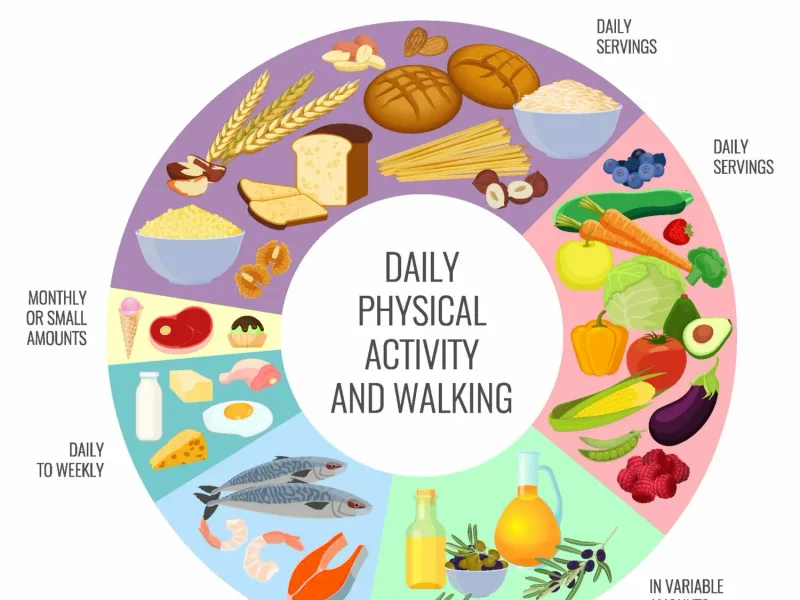
Instead of relying solely on white rice, consider a mix of whole grains. Millets like Ragi (finger millet) and Jowar (sorghum) are excellent choices. They are readily available and have a lower glycemic index (GI) than refined rice, meaning they cause a slower rise in blood sugar.
Whole wheat flour (atta) for rotis is also a staple. In Hazaribagh, you can easily find these grains in local markets.
Worth knowing: A study published in the *Journal of the Association of Physicians of India* highlighted the benefits of incorporating millets into the Indian diet for diabetes management. For instance, Ragi has a GI of around 55, whereas white rice can range from 70-80.
Vegetables
Load up on non-starchy vegetables. These are low in calories and carbohydrates but packed with vitamins, minerals, and fiber. Green leafy vegetables like spinach (palak), fenugreek leaves (methi), and mustard greens (sarson ka saag) are nutritious powerhouses.
It sounds simple. It rarely is.
Other excellent choices include gourds (lauki, tori), okra (bhindi), cauliflower (gobi), cabbage (patta gobi), and bell peppers (shimla mirch). These vegetables are abundant in the local markets of Hazaribagh throughout the year.
In many cases, people overlook the importance of variety. Aim for a colorful plate to ensure many kinds of nutrients. For example, carrots and beetroot, while slightly higher in natural sugars, can be consumed in moderation as part of a balanced meal.
Fruits
Fruits are a vital part of a healthy diet, but their sugar content needs consideration. Opt for fruits with a lower GI. Berries (strawberries, blueberries, if available locally or frozen), apples, pears, guavas, and papayas are good options.
Oranges and sweet limes are also beneficial due to their vitamin C content. Portion control is paramount here; a small apple or one medium orange is typically recommended per serving.
Honestly, managing fruit intake can be tricky. It's best to consume whole fruits rather than juices, as the fiber in whole fruits slows sugar absorption. Avoid overripe fruits, which contain more concentrated sugars.
Proteins
Lean protein sources are essential for satiety and muscle health, and they don't significantly impact blood sugar levels. Lentils (dal), chickpeas (chana), kidney beans (rajma), and other legumes are excellent plant-based protein sources readily available in Hazaribagh.
For non-vegetarians, fish, chicken breast (skinless), and eggs are good choices. The National Institute of Nutrition (NIN) in India recommends incorporating legumes into the diet at least 3-4 times a week.
Recovery is rarely linear.
Dairy and Alternatives
Low-fat dairy products like yogurt (dahi) and paneer can be part of a diabetic diet. Plain yogurt is preferable to sweetened varieties. If lactose intolerant, unsweetened almond or soy milk can be alternatives.
Fats and Oils
Focus on healthy fats. Nuts like almonds and walnuts, seeds like flaxseeds and chia seeds, and healthy cooking oils in moderation are beneficial. Use oils like mustard oil, groundnut oil, or olive oil sparingly. The American Heart Association (AHA) recommends limiting saturated and trans fats.
Sample Meal Plan for Hazaribagh
This is a sample plan and should be adjusted based on individual needs, activity levels, and physician recommendations. Is there a better way than just listing foods? Yes, a structured plan helps!
Early Morning (6:00 AM - 7:00 AM)
- A glass of warm water with soaked fenugreek seeds (methi dana) or a few almonds.
Breakfast (8:00 AM - 9:00 AM)
- Option 1: 2 small whole wheat rotis with a bowl of mixed vegetable curry (low oil).
- Option 2: 1 bowl of vegetable upma made with broken wheat (dalia) or millets.
- Option 3: 1 bowl of plain oatmeal with a few berries.
Mid-Morning Snack (11:00 AM)
- 1 small apple or guava, or a small bowl of papaya.
- A handful of unsalted nuts.
Lunch (1:00 PM - 2:00 PM)
- 1 medium bowl of brown rice or 2 small whole wheat rotis.
- 1 large bowl of lentil soup (dal) or a legume curry (e.g., chana masala).
- 1 large bowl of mixed vegetable salad or cooked seasonal vegetables.
- A small bowl of plain yogurt (dahi).
Evening Snack (4:00 PM - 5:00 PM)
- 1 cup of unsweetened tea or coffee.
- A small portion of roasted makhana (fox nuts) or a handful of sprouts.
Dinner (7:30 PM - 8:30 PM)
- Option 1: 2 small whole wheat rotis with a lean protein dish (e.g., grilled fish or chicken breast, paneer bhurji).
- Option 2: 1 bowl of vegetable and lentil soup.
- Option 3: A large portion of steamed vegetables with a small serving of dal.
The reality is, consistency is more important than perfection. Small, sustainable changes are the most impactful.
Foods to Limit or Avoid
Certain foods can significantly disrupt blood sugar control and should be consumed sparingly or avoided altogether.
- Sugary Drinks: Soda, fruit juices (even 100% juice), sweetened teas, and energy drinks. India has a high prevalence of diabetes, with an estimated 77 million adults affected as of 2023, according to the International Diabetes Federation (IDF). Sugary beverages contribute significantly to this burden.
- Sweets and Desserts: Traditional Indian sweets (mithai), cakes, pastries, cookies, and ice cream are typically high in sugar and refined carbohydrates.
- Refined Grains: White bread, white rice (in large quantities), pasta made from white flour, and sugary cereals.
- Fried and Processed Foods: Samosas, pakoras, chips, and processed snacks are often high in unhealthy fats and sodium.
- High-Fat Dairy: Full-fat milk, cream, and cheese should be consumed in moderation.
The Role of Physical Activity
Dietary changes are most effective when combined with regular physical activity. Aim for at least 150 minutes of moderate-intensity aerobic activity per week, such as brisk walking, cycling, or swimming. Strength training exercises are also beneficial. Local parks in Hazaribagh can be excellent spots for walks.
Consulting with a healthcare provider or a registered dietitian is paramount. They can help create a personalized diabetes management plan tailored to your specific health status and lifestyle in Hazaribagh. This personalized approach ensures the therapy is both safe and powerful.
And yet, so many people miss it.
Remember, managing diabetes is a journey, not a race. Small, consistent steps towards a healthier diet and lifestyle can significantly improve your quality of life. You have the strength to make these changes!
Key Takeaways
- Focus on whole grains like millets and whole wheat over refined grains.
- Incorporate plenty of non-starchy vegetables and moderate amounts of low-GI fruits.
- Choose lean protein sources like dals, legumes, fish, and skinless chicken.
- Limit sugary drinks, sweets, fried foods, and processed items.
- Combine dietary changes with regular physical activity for optimal blood sugar control.
Frequently Asked Questions
Can I eat rice if I have diabetes?
Yes, you can eat rice, but moderation and the type of rice are key. Opt for brown rice or other whole grains more often. Portion control is vital; a small serving of rice is generally recommended per meal, rather than large quantities.
What are the best fruits for diabetics in Hazaribagh?
Good choices include apples, guavas, papayas, oranges, and berries, consumed in controlled portions. Avoid fruit juices and overly ripe fruits, as they can cause rapid blood sugar spikes.
How often should I eat?
Aim for three balanced meals and 1-2 small, healthy snacks throughout the day. Consistent meal timings aid maintain stable blood sugar levels and prevent overeating.
Is it okay to eat potatoes?
Potatoes are starchy vegetables and can impact blood sugar levels. If you choose to eat them, do so in small, controlled portions, preferably boiled or baked rather than fried. Pair them with fiber-rich foods like vegetables and protein to slow sugar absorption.
Always consult a qualified physician before making medical decisions.