Managing Glycemic Health with a Diet Plan in Howrah
Navigating dietary choices that support one's health goals is a reality for those managing a chronic health condition in a vibrant city like Howrah. Finding the right balance often feels overwhelming, especially given the delicious local cuisine available. This guide offers practical advice for developing an effective eating plan, customized for residents of Howrah. The objective is to empower individuals with knowledge, allowing them to enjoy meals while maintaining stable glucose levels.
Understanding the principles of a health-conscious diet is the first vital step. It does not demand severe restrictions; rather, it emphasizes making smart, informed decisions about what is consumed, how much, and when. Consistency is paramount, much like ensuring a morning train arrives promptly. A well-structured dietary regimen helps prevent sharp fluctuations in circulating glucose, thereby reducing the risk of long-term complications associated with the situation.
Key Principles of a Health-Conscious Eating Plan
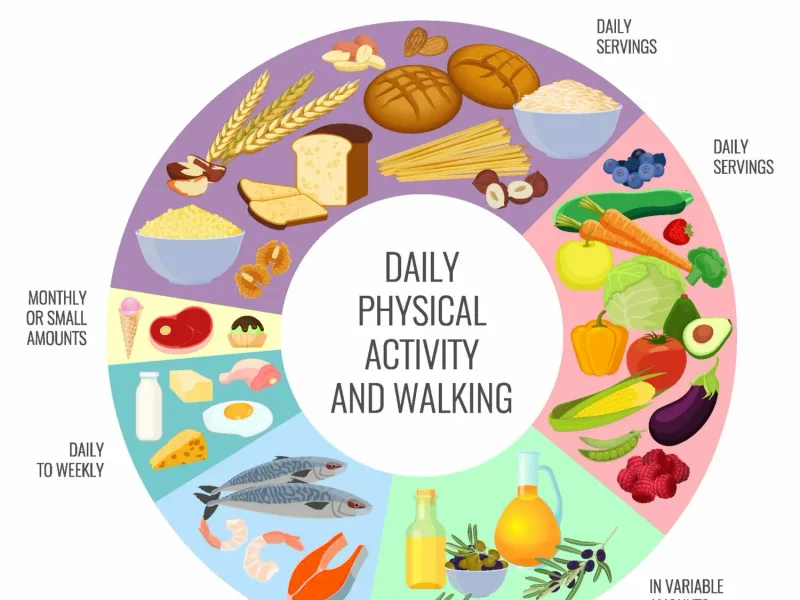
The cornerstone of managing glycemic health through diet involves controlling carbohydrate intake, selecting beneficial fats, incorporating lean proteins, and prioritizing fiber-rich foods. The emphasis is on both the quality and quantity of nourishment. The aim is a balanced, nutritious, and sustainable eating pattern for daily life.
Carbohydrate Management
Carbohydrates serve as the body's primary energy source, directly influencing glucose concentrations. The focus should be on complex carbohydrates with a low glycemic index (GI). Low GI foods undergo slower digestion, leading to a gradual rise in glucose, unlike high GI foods which cause rapid spikes. This can be likened to a slow-release fuel compared to a sudden burst.
*
Select Wisely: Opt for whole grains such as whole wheat (atta), brown rice, oats, and millets (bajra, jowar, ragi). These are digested more slowly and provide sustained energy.
*
Portion Control is Crucial: Even healthful carbohydrates require consumption in moderation. A typical serving of cooked rice or roti might equate to one modest bowl or one medium-sized flatbread.
*
Limit Refined Carbs: Reduce the intake of maida (white flour) products, white rice, sweetened cereals, and processed snacks. These offer minimal nutritional value and can cause significant glucose variations.
Importance of Dietary Fiber
Dietary fiber is an invaluable aid for managing glycemic health. It decelerates the absorption of glucose, enhances insulin sensitivity (the body's ability to respond to insulin), and promotes prolonged satiety, which can prevent overeating. A diet rich in fiber frequently contributes to improved glucose regulation.
*
Sources: Include ample produce (especially leafy greens like palak, lauki, tori), fruits (berries, apples, guavas), legumes (dal, chana, rajma), and whole grains in daily meals.
*
Daily Target: Aim for at least 25-30 grams of fiber daily. This is achievable through conscious food selections throughout the day.
Lean Protein Sources
Protein plays a critical role in satiety and does not significantly elevate glucose levels. It is essential for tissue repair and overall physiological well-being.
*
Beneficial Choices: Lentils (dal), beans (rajma, chana), tofu, paneer (in moderation), fish, and lean poultry represent excellent options.
*
Preparation Matters: Prioritize grilling, baking, or steaming over deep-frying to maintain the healthfulness of protein sources.
Healthy Fats
Fats are necessary for hormone production and nutrient absorption. Concentrate on unsaturated fats and restrict saturated and trans fats.
*
Incorporate: Nuts (almonds, walnuts), seeds (chia, flax, pumpkin), avocados, and beneficial oils like mustard oil or olive oil in controlled quantities.
*
Avoid: Fried foods, processed snacks, and excessive amounts of ghee or butter.
Eating Plan Tailored for Howrah Residents
Integrating local Howrah and Bengali culinary influences into a health-conscious diet is entirely feasible. The key lies in mindful preparation and portion control. Many traditional dishes can indeed be adapted. For instance, rather than substantial portions of white rice, consider a reduced portion accompanied by more produce and dal.
Breakfast Ideas (8:00 AM - 9:00 AM)
Begin the day with a balanced meal to establish stable glucose levels.
* 1-2 whole wheat rotis with a modest bowl of mixed produce curry (using minimal oil).
* A bowl of oats porridge prepared with water or low-fat milk, topped with a few nuts and seeds.
* Besan chilla (gram flour pancake) made with produce, served with mint chutney.
* Idli (2-3 pieces) made from fermented batter (ensure minimal rice content or use multi-grain batter) with sambar (rich in produce).
Mid-Morning Snack (10:30 AM - 11:30 AM)
Prevent excessive hunger and sustain energy levels.
* A piece of fruit like an apple, guava, or a modest bowl of berries.
* A handful of unsalted nuts (almonds, walnuts).
* A glass of buttermilk (plain or lightly spiced).
Lunch (1:00 PM - 2:00 PM)
This meal should be substantial yet balanced.
* 1 modest bowl of brown rice or 1-2 whole wheat rotis.
* 1 bowl of dal (e.g., moong, masoor, arhar) cooked with minimal oil and spices.
* 1 bowl of seasonal produce curry or stir-fry (sabzi) – consider aloo posto (with controlled potato and minimal posto paste), lau ghonto, or potoler dolma (using minimal stuffing).
* A modest bowl of salad (cucumber, tomato, onion).
* A modest portion of curd or raita.
Evening Snack (4:30 PM - 5:30 PM)
Bridge the interval until dinner without causing a rise in glucose.
* A cup of unsweetened tea or coffee.
* Roasted chana (chickpeas) or makhana (fox nuts).
* A modest bowl of sprouts salad.
Dinner (7:30 PM - 8:30 PM)
Aim for a lighter meal than lunch, prioritizing protein and produce.
* 1-2 whole wheat rotis or a modest bowl of millet khichdi.
* 1 bowl of lean protein like grilled fish, chicken curry (light gravy), or paneer bhurji.
* 1 bowl of steamed or sautéed produce.
* A modest portion of salad.
Adapting Local Delicacies
Residing in Howrah presents a rich culinary landscape. Many cherished dishes can be enjoyed with modifications. For instance, while fish is an excellent protein source, opting for steamed, baked, or lightly curried preparations (like Macher Jhol with minimal oil and starchy produce) over fried versions is essential. Similarly, reduce the portion size of rice or use brown rice, and increase the produce and dal components of your meal. This approach ensures individuals do not forgo preferred flavors while adhering to a health-conscious eating pattern.
Hydration is Key
Adequate water intake throughout the day is vital. Aim for 8-10 glasses daily. Water helps regulate body temperature, transports nutrients, and assists in flushing out waste products. Unsweetened beverages like herbal teas are also good choices. Limit sweetened drinks, fruit juices (even natural ones can elevate glucose), and excessively sweetened teas or coffees.
Physical Activity Recommendations
Diet constitutes only one part of the equation. Regular physical activity is equally crucial for managing glycemic health. In this city, individuals can explore options such as brisk walking along the Hooghly riverbanks, joining a local yoga class, or engaging in gardening. Aim for at least 150 minutes of moderate-intensity aerobic activity per week, as recommended by the American Diabetes Association (ADA).
*
Walking: A brisk 30-minute walk on most days of the week is highly beneficial.
*
Yoga & Stretching: Improves flexibility and reduces stress, which can influence glucose levels.
*
Strength Training: Incorporate light weights or resistance bands 2-3 times a week to build muscle mass, which helps improve insulin sensitivity.
Medical Consultation and Monitoring
It is imperative to consult with healthcare professionals—physicians and registered dietitians—for personalized advice. They can assist in creating an eating plan that considers specific health status, medication, activity levels, and cultural food preferences. Consistent monitoring of glucose levels is also essential. Many studies, including those published in The Lancet, highlight the importance of consistent monitoring for impactful glycemic management. Working closely with a doctor ensures the treatment plan remains optimized.
Living with a chronic health problem presents challenges, and dietary adjustments can appear daunting. However, with the appropriate knowledge and support, individuals can lead healthy and fulfilling lives. Remember, modest, consistent changes yield the most impactful results. Embrace the journey towards better health with informed food choices, right here in this locale.
Always consult a qualified physician before making medical decisions.
Frequently Asked Questions
Can I eat rice if I have this health concern?
Yes, rice can be consumed, but portion control is crucial. Opt for brown rice or unpolished rice over white rice, as they possess a lower glycemic index. Consume rice in moderation, typically as part of a balanced meal that includes produce and protein, and avoid large servings.
What fruits are best for managing glycemic health?
Fruits rich in fiber and with a low glycemic index are most suitable. These include berries (strawberries, blueberries), apples, pears, guavas, and oranges. While fruits are nutritious, it’s important to consume them in controlled portions and avoid fruit juices, which are concentrated sources of sweetness.
How often should I eat if I have this issue?
Consuming regular meals and snacks at consistent times helps maintain stable glucose levels. Aim for three main meals and 1-2 healthful snacks throughout the day. Avoid skipping meals, as this can lead to notable fluctuations in circulating glucose.
Is Bengali cuisine suitable for a health-conscious diet?
Many Bengali dishes can be adapted for a health-conscious diet with modifications. Focus on preparations that are steamed, baked, or lightly curried, and limit fried foods and excessive use of oil or ghee. Increase the intake of produce and lentils while controlling portions of rice and potatoes.
That's the part worth remembering.