Understanding Diabetes and Diet in Bettiah
Diabetes is a chronic condition affecting how your body uses glucose, a vital energy source. In Bettiah, like elsewhere in India, managing diabetes often involves a careful approach to diet and lifestyle.
We often see people struggling to balance traditional eating habits with medical advice. Honestly, finding the right diabetes diet plan can feel overwhelming, especially when you're surrounded by familiar, delicious local cuisine.
This guide provides expert insights tailored for individuals in Bettiah, helping you navigate your dietary choices effectively. Our goal is to empower you with knowledge, enabling better blood sugar control and an improved quality of life. Think about it this way: your plate is a powerful tool in managing your health.
Key Principles of a Diabetes Diet
A diabetes diet plan isn't about deprivation; it's about making smart, balanced food choices. The primary aim is to maintain stable blood glucose levels, prevent sharp spikes, and ensure your body receives adequate nutrition.
Here's where it gets interesting.
Here's the thing — consistency is vital. The World Health Organization (WHO) emphasizes that dietary modifications are a cornerstone of diabetes management.
Key principles include:
- Portion Control: Eating appropriate amounts of food at regular intervals.
- Balanced Macronutrients: Including carbohydrates, proteins, and healthy fats in every meal.
- Fiber-Rich Foods: Opting for whole grains, vegetables, and fruits to slow sugar absorption.
- Limiting Sugary Foods and Drinks: Reducing intake of processed sweets, sugary beverages, and refined grains.
- Healthy Fats: Choosing unsaturated fats over saturated and trans fats.
Adhering to these principles, as recommended by institutions like the Indian Council of Medical Research (ICMR), can significantly impact health outcomes.
Local Foods in Bettiah: Making Smart Choices
Bettiah boasts a rich culinary heritage. Many local foods can be incorporated into a diabetes-friendly diet with mindful preparation and portioning. Understanding the glycemic index (GI) — a measure of how quickly a food raises blood sugar — is crucial.
Grains and Cereals
Whole grains are preferred over refined ones. Instead of white rice or maida (refined flour), consider these options:
- Whole Wheat Atta: Use this for your rotis and chapatis. It has a lower GI than refined flour.
- Brown Rice: If you prefer rice, opt for brown rice, which retains more fiber. However, portion control is still key.
- Millets (Bajra, Jowar, Ragi): These are excellent, nutrient-dense alternatives. They are often found in local markets and can be used in various preparations.
In many cases, traditional preparations like *litti* can be made healthier. Using whole wheat flour and limiting ghee or oil are good steps. Remember, even healthy foods can raise blood sugar if consumed in large quantities.
Lentils and Pulses (Dals)
Dals are a staple in Indian households and an excellent source of protein and fiber. They generally have a low to medium GI.
- Variety is Key: Include dals like moong, masoor, chana, and urad dal regularly.
- Preparation Matters: Avoid adding excessive amounts of ghee, oil, or sugar to your dal preparations. Steamed or boiled dals are best.
These are vital for muscle health and satiety, helping you feel full longer.
Vegetables
Non-starchy vegetables are low in carbohydrates and calories, making them ideal for diabetes management. They are packed with essential vitamins and minerals.
- Green Leafy Vegetables: Spinach (palak), fenugreek (methi), and other saag are fantastic choices.
- Other Options: Cauliflower, broccoli, beans, gourds (lauki, tori), tomatoes, and onions are all beneficial.
- Limit Starchy Vegetables: Potatoes, sweet potatoes, and corn should be consumed in moderation due to their higher carbohydrate content.
You can enjoy these vegetables in various preparations like sabzi, stir-fries, or added to dals. What should you actually do? Focus on including a generous portion of these with every meal.
Fruits
Fruits are healthy but contain natural sugars. Choose fruits with a lower GI and consume them in controlled portions.
- Good Choices: Apples, pears, berries, guava, and papaya are generally safe.
- Moderate Intake: Bananas, mangoes, and grapes have a higher sugar content and should be eaten sparingly.
- Whole Fruit is Best: Avoid fruit juices, as they lack fiber and can cause rapid sugar spikes.
Living with this is genuinely hard, and sometimes a sweet craving hits. Opting for a small piece of fruit is a much better choice than processed sweets.
Dairy and Alternatives
Low-fat dairy products can be part of a balanced diet.
- Curd (Dahi): Plain, unsweetened curd is a good source of probiotics and calcium.
- Milk: Opt for skimmed or low-fat milk.
- Paneer: A good source of protein, consumed in moderation.
Avoid sweetened yogurts and full-fat dairy products.
Proteins
Lean protein sources help manage blood sugar and promote satiety.
- Fish and Poultry: Baked, grilled, or steamed options are preferable to fried ones.
- Eggs: A nutritious and versatile protein source.
- Legumes: As mentioned, dals and beans are excellent.
For vegetarians, paneer, tofu, and various dals provide adequate protein.
Foods to Limit or Avoid
Certain foods can significantly disrupt blood sugar control. It's crucial to limit their intake:
- Sugary Drinks: Soda, sweetened juices, and energy drinks.
- Sweets and Desserts: Jalebis, gulab jamun, ice cream, and candies.
- Processed Foods: Packaged snacks, biscuits, and ready-to-eat meals often contain hidden sugars and unhealthy fats.
- Fried Foods: Samosas, pakoras, and other deep-fried snacks.
- Refined Grains: White bread, white rice (in large quantities), and maida-based products.
These foods offer little nutritional value and can lead to dangerous blood sugar fluctuations. So what does that mean for you? It means making conscious choices to swap these for healthier alternatives.
Sample Diabetes Diet Plan (Bettiah Context)
This is a sample plan and should be adjusted based on individual needs, activity levels, and physician recommendations. Always consult with a healthcare provider or a registered dietitian.
Early Morning (6:00 AM - 7:00 AM)
- A glass of warm water, possibly with a few soaked fenugreek seeds.
- Optional: A small handful of unsalted nuts (almonds, walnuts).
Breakfast (8:00 AM - 9:00 AM)
- Option 1: 2 whole wheat rotis with a bowl of mixed vegetable sabzi (low oil).
- Option 2: A bowl of vegetable poha made with minimal oil and plenty of vegetables.
- Option 3: A bowl of unsweetened oats or daliya with milk and a few berries.
Mid-Morning Snack (11:00 AM - 11:30 AM)
- A piece of low-GI fruit (apple, guava) OR a bowl of plain curd.
Lunch (1:00 PM - 2:00 PM)
- 1-2 small whole wheat rotis OR a small bowl of brown rice.
- A generous portion of dal (e.g., moong or masoor).
- A large bowl of non-starchy vegetable sabzi (e.g., lauki, bhindi, palak).
- A small bowl of salad (cucumber, tomato, onion).
Evening Snack (4:30 PM - 5:00 PM)
- A cup of unsweetened tea or coffee.
- A small portion of roasted chana or murmura (puffed rice) without added salt/sugar.
Dinner (7:30 PM - 8:30 PM)
- Similar to lunch, but possibly with a lighter portion of grains.
- Option 1: 1-2 whole wheat rotis with vegetable sabzi and a small portion of dal.
- Option 2: A bowl of khichdi made with brown rice and lentils, with added vegetables.
Before Bed (Optional, if needed)
- A glass of warm, low-fat milk.
This plan prioritizes whole foods, fiber, and controlled portions, aligning with recommendations from the American Heart Association (AHA) for heart health, which is crucial for people with diabetes.
Hydration and Lifestyle
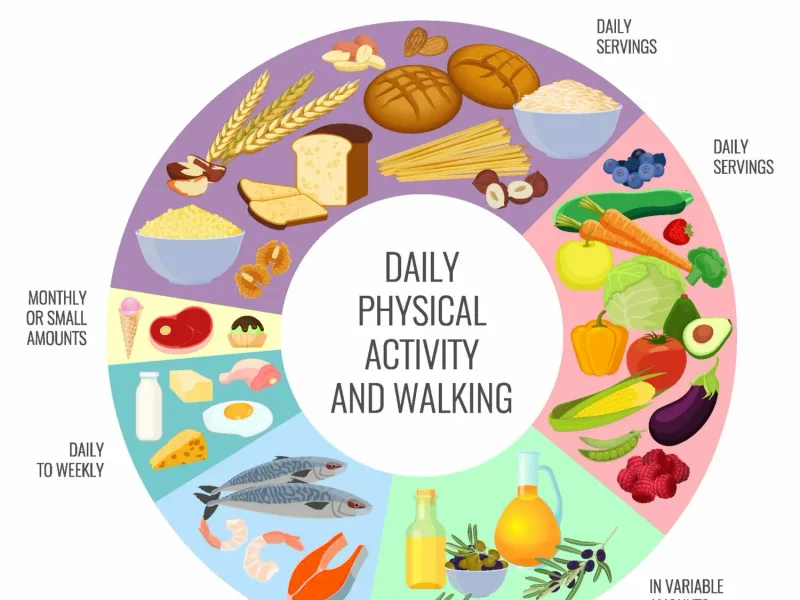
Staying adequately hydrated is vital. Drink plenty of water throughout the day. Limit intake of sugary beverages. Regular physical activity is also a key component of diabetes management. Aim for at least 30 minutes of moderate-intensity exercise most days of the week. Walking, cycling, or yoga are excellent options.
Most people overlook this completely.
Honestly, integrating these changes can be challenging initially. Start small, make gradual adjustments, and celebrate your successes. Remember, consistency over perfection is the goal.
When to Seek Professional aid
While this guide offers general advice, personalized care is essential. If you're in Bettiah and struggling with your diabetes management, consult with local healthcare providers. Specialists at institutions like AIIMS Patna (though not in Bettiah itself, their guidelines are nationally relevant) or local clinics can offer tailored advice.
Regular check-ups with your physician are crucial. They can monitor your progress, adjust medications if needed, and provide specific dietary recommendations based on your health status. Don't hesitate to seek support from a registered dietitian or a certified diabetes educator.
Always consult a qualified physician before making medical decisions.
Frequently Asked Questions
Can I eat rice if I have diabetes?
Yes, you can eat rice, but moderation and type are key. Opt for brown rice over white rice, and control your portion size. Brown rice has more fiber, which helps slow down sugar absorption. Discuss your ideal rice intake with your doctor or dietitian.
Is litti healthy for diabetics?
Traditionally prepared litti, especially if made with refined flour (maida) and excessive ghee, may not be ideal. However, you can make healthier versions by using whole wheat flour (atta) and controlling the amount of ghee or oil used. It's best consumed in moderation as part of a balanced meal plan.
That alone changes everything.
What are the best fruits for diabetics in Bettiah?
Good fruit choices include apples, guavas, pears, and berries. These generally have a lower glycemic index. Avoid or limit fruits like mangoes and bananas, which have higher sugar content. Always consume whole fruits rather than juices.
How often should I monitor my blood sugar?
The frequency of blood sugar monitoring depends on your individual diabetes management plan, medications, and your doctor's recommendations. Generally, people with diabetes may need to check their levels multiple times a day (before and after meals) or as advised by their healthcare provider to understand how different foods and activities affect their glucose levels.