Understanding Diabetes and Diet in Maheshtala
Living with diabetes requires careful attention to what we eat. For people in Maheshtala, this means understanding how local foods fit into a healthy diabetes diet plan. The reality is, managing blood sugar levels effectively relies heavily on our dietary choices.
We often see individuals struggling to balance traditional tastes with the need for controlled carbohydrate intake. This guide aims to provide clear, actionable advice, drawing on established medical guidelines and considering the unique culinary landscape of our region.
Diabetes, a chronic condition where your body doesn't use insulin well, demands a proactive approach. According to the World Health Organization (WHO), diet is a cornerstone of diabetes management. It’s not just about avoiding certain foods; it's about embracing a balanced eating pattern that keeps your glucose levels stable.
Key Principles of a Diabetic Diet
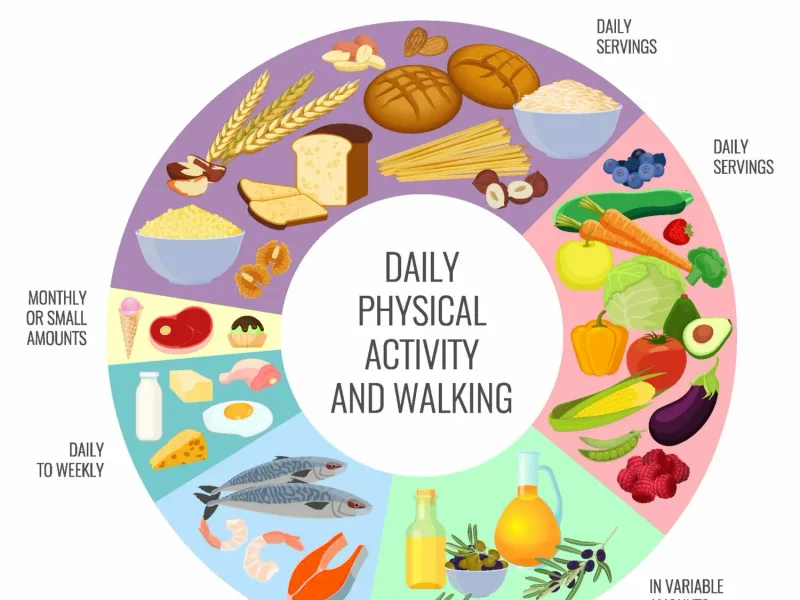
A diabetes diet plan is essentially a healthy eating approach for everyone. The key is consistency and portion control. Physicians emphasize a diet rich in whole grains, lean proteins, healthy fats, and plenty of fruits and vegetables. Think about it this way: your plate should be a colorful representation of nutritional balance.
That alone changes everything.
- Balanced Macronutrients: Aim for a good mix of carbohydrates, proteins, and fats at each meal. Carbohydrates have the biggest impact on blood sugar, so choosing wisely is vital.
- Portion Control: Even healthy foods can raise blood sugar if eaten in large quantities. Understanding serving sizes is crucial.
- Regular Meal Times: Eating at consistent times helps regulate blood sugar levels. Skipping meals can lead to fluctuations.
- Hydration: Drinking plenty of water is essential for overall health and can aid in blood sugar management.
Navigating Local Foods in Maheshtala
Maheshtala, like many parts of West Bengal, has a rich culinary heritage. Many traditional dishes are delicious but can be high in refined carbohydrates or fats. The challenge is to adapt these to fit a diabetic-friendly approach.
Rice Consumption
Rice is a staple. While it's a carbohydrate source, brown rice or unpolished rice has a lower glycemic index (GI) than white rice. The GI measures how quickly a food raises blood sugar.
Practically speaking, substituting white rice with brown rice, or consuming smaller portions of white rice, can make a significant difference. Consider mixing brown and white rice initially.
Lentils and Pulses (Dal)
Dals like masoor, moong, and chana are excellent sources of protein and fiber. These are generally low on the GI scale and are highly beneficial for individuals with diabetes. Ensure they are prepared with minimal oil and avoid adding excessive amounts of sugar or refined flour (besan) in recipes.
Vegetables
Green leafy vegetables such as spinach (palong shak), fenugreek leaves (methi), and other gourds are vital. They are low in calories and carbohydrates but packed with vitamins and minerals. Incorporate a variety of seasonal vegetables into your meals. Think about bitter gourd (korola), which is known for its blood-sugar-lowering properties.
Fruits
While fruits contain natural sugars, they also offer essential vitamins and fiber. Choose fruits with a lower GI, such as apples, guavas, and berries. Portion control is key here. For instance, instead of a whole mango, opt for a smaller slice. Avoid fruit juices, as they lack fiber and concentrate the sugar.
And yet, so many people miss it.
Dairy and Protein Sources
Low-fat dairy products like yogurt (doi) and paneer can be good additions. Fish and chicken are excellent lean protein sources. When preparing fish or chicken, opt for baking, grilling, or steaming over deep-frying.
Meal Planning Strategies
Creating a weekly meal plan can simplify diabetes management. It ensures you have a variety of nutritious foods and helps avoid impulsive unhealthy choices.
Breakfast Ideas
- Oats or daliya (broken wheat) with low-fat milk and a few almonds.
- Besan chilla (gram flour pancake) made with minimal oil, served with a side of vegetables.
- Scrambled eggs with vegetables.
Lunch and Dinner Options
- A small portion of brown rice or whole wheat roti.
- A generous serving of mixed vegetable curry or dal.
- A side of salad or steamed vegetables.
- Grilled fish or chicken curry (made with light spices and minimal oil).
- A small bowl of low-fat yogurt.
Snack Options
Snacks can help prevent overeating at main meals and keep blood sugar stable. Opt for:
- A handful of nuts (almonds, walnuts).
- A piece of low-GI fruit (apple, guava).
- A small bowl of yogurt.
- Sprouts salad.
Understanding Glycemic Index (GI) and Glycemic Load (GL)
The Glycemic Index (GI) and Glycemic Load (GL) are crucial concepts for managing diabetes through diet. While GI tells you how fast a carbohydrate-containing food raises blood glucose levels, GL considers the amount of carbohydrate in a serving. Foods are categorized as low (55 or less), medium (56-69), or high (70 or more) GI.
Worth knowing: Foods with a low GL are generally better choices for sustained energy release and blood sugar stability. For example, a small serving of watermelon has a high GI but a low GL because it contains relatively little carbohydrate per serving.
Conversely, a large portion of white rice might have a moderate GI but a high GL due to its high carbohydrate content.
The Role of Physical Activity
Diet alone isn't enough; regular physical activity is vital. Aim for at least 150 minutes of moderate-intensity aerobic activity per week, as recommended by the American Heart Association (AHA). This could include brisk walking, cycling, or swimming.
It sounds simple. It rarely is.
Even simple activities like gardening or climbing stairs make a difference. What should you actually do? Start small and gradually increase your activity levels.
When to Seek Professional Guidance
This guide offers general advice, but individual needs vary. Factors like age, activity level, other health conditions, and specific medications all play a role. Physicians at institutions like AIIMS often recommend personalized diet plans developed by registered dietitians or nutritionists.
Is there a better way? Consulting with a healthcare professional ensures your diet plan is safe, effective, and tailored to your specific health profile.
They can aid you navigate complex dietary choices and monitor your progress effectively. Many people find that working with a specialist makes a notable impact on their diabetes management journey.
Living with diabetes is genuinely hard, and making dietary changes can feel overwhelming. However, with the right knowledge and support, it's entirely manageable. By focusing on balanced nutrition and incorporating local, healthy food choices, individuals in Maheshtala can significantly improve their health outcomes.
Remember, small, consistent changes lead to lasting results. Embrace this journey towards a healthier you, one meal at a time!
Frequently Asked Questions
Can I eat rice if I have diabetes?
Yes, you can eat rice, but portion control is vital. Opt for brown or unpolished rice, which has a lower glycemic index than white rice. If consuming white rice, keep the portion size small.
Is it safe to eat sweets during diabetes?
Sweets should be consumed in very limited quantities, if at all. They cause a rapid spike in blood sugar levels. Focus on natural sweeteners found in fruits or consider sugar-free alternatives under medical guidance.
That alone changes everything.
How often should I eat if I have diabetes?
It's generally recommended to eat smaller, more frequent meals throughout the day. Aim for three main meals and 1-2 healthy snacks. This helps maintain stable blood sugar levels and prevents overeating.
What are some good snacks for diabetics?
Healthy snack options include a handful of nuts like almonds or walnuts, a piece of low-GI fruit such as an apple or guava, a small bowl of plain yogurt, or a salad made from sprouts.
Always consult a qualified physician before making medical decisions.