Understanding Diabetes in Koderma
Diabetes, a chronic condition marked by elevated blood glucose levels, affects millions across India. In Koderma, like elsewhere, managing this requires a multi-pronged approach, with diet playing a pivotal role. We often see patients struggling to balance taste with health.
Think about it this way: your food is your medicine. Making smart dietary choices can significantly enhance your quality of life and help prevent serious complications. India has 77 million diabetics (IDF, 2023), a number underscoring the vital need for accessible, localized dietary guidance.
The Crucial Role of Diet in Diabetes Management
What most people miss: diet isn't just about avoiding sweets. It's about a balanced intake of carbohydrates, proteins, and fats tailored to individual needs. Proper nutrition helps maintain stable blood sugar levels, prevents dangerous spikes and drops, and supports overall bodily function.
Uncontrolled diabetes can lead to severe health issues, including heart disease, kidney damage, nerve problems, and vision loss. Adhering to a well-structured diet plan is therefore crucial for long-term well-being.
Here's where it gets interesting.
Key Principles of a Diabetes Diet Plan
A successful diabetes diet plan focuses on several core principles:
- Portion Control: Eating appropriate amounts of food is vital. Using smaller plates can aid manage serving sizes.
- Balanced Macronutrients: Ensure meals contain a mix of complex carbohydrates, lean proteins, and healthy fats.
- Fiber-Rich Foods: High-fiber foods slow down sugar absorption, promoting better blood sugar control.
- Limit Processed Foods: These often contain hidden sugars, unhealthy fats, and excess sodium.
- Hydration: Drinking plenty of water is essential for overall health and can aid in managing blood sugar.
What to Eat: A Koderma-Focused Approach
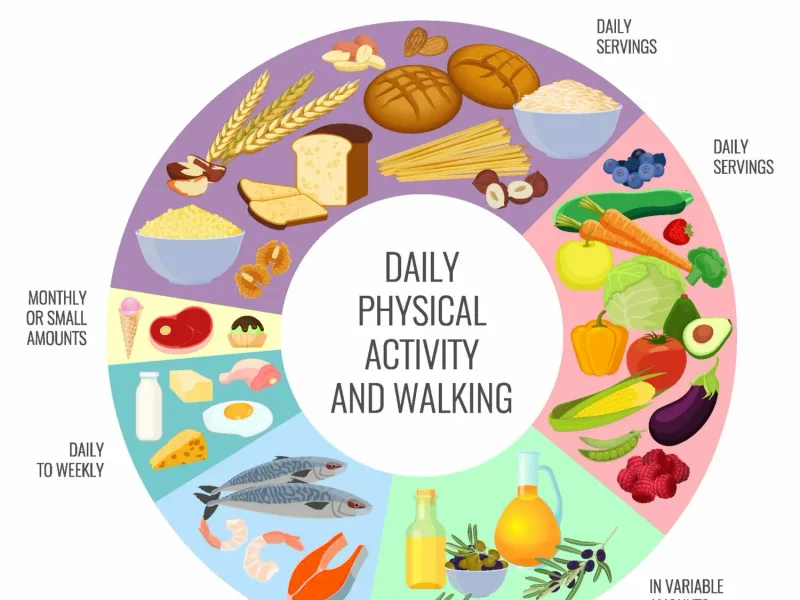
When considering a diabetes diet plan in Koderma, incorporating locally available and culturally relevant foods is key. We aim for a diet that is both nutritious and satisfying. Here's a breakdown:
Complex Carbohydrates
Choose whole grains over refined ones. These provide sustained energy and fiber.
- Whole Wheat (Atta): Opt for 100% whole wheat flour for rotis and chapatis. This is a staple in Koderma households.
- Brown Rice: A healthier alternative to white rice, offering more fiber. Portion control is still vital.
- Millets (Bajra, Jowar, Ragi): These ancient grains are highly nutritious and have a low glycemic index, making them excellent choices. Many regions in India, including parts of Jharkhand, cultivate these.
- Oats: Steel-cut or rolled oats are great for breakfast.
Here's the thing: whole grains are digested more slowly, preventing rapid blood sugar increases. India has a rich tradition of millet consumption, making them an accessible and healthy choice.
Lean Proteins
Protein helps you feel full and has minimal impact on blood sugar levels.
- Lentils and Legumes (Dal): Moong dal, masoor dal, chana dal, rajma, and chole are excellent sources of protein and fiber. These are commonly used across Indian cuisine.
- Paneer: A good source of protein for vegetarians. Choose low-fat options.
- Tofu: Another plant-based protein option.
- Lean Meats and Fish: Chicken breast (skinless), fish (like Rohu, common in local markets), and eggs are beneficial. Limit red meat intake.
Healthy Fats
Fats are crucial for hormone production and nutrient absorption. Focus on unsaturated fats.
- Nuts and Seeds: Almonds, walnuts, chia seeds, and flaxseeds in moderation provide healthy fats and fiber. A small handful daily is sufficient.
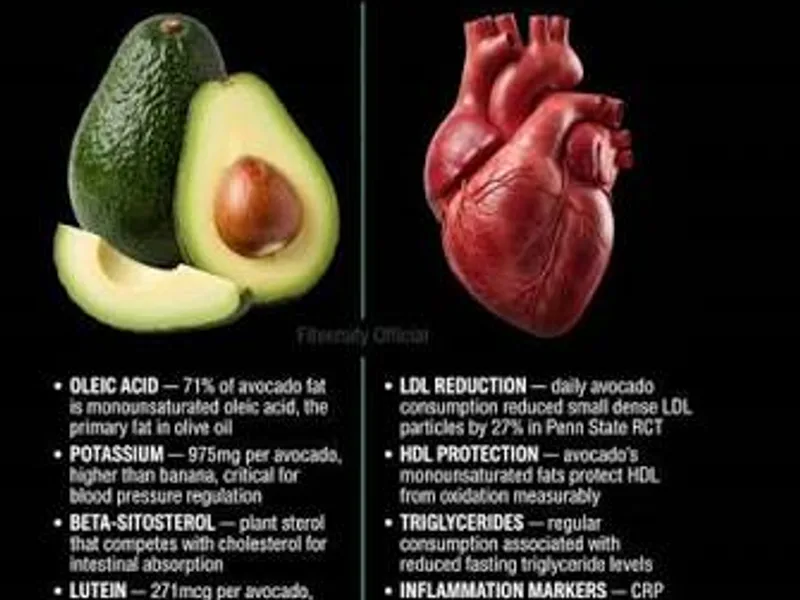
- Avocado: Rich in monounsaturated fats.
- Olive Oil and Mustard Oil: Use these in moderation for cooking. Mustard oil is particularly widespread in Eastern India.
Fruits and Vegetables
Load up on non-starchy vegetables and choose fruits wisely.
- Non-Starchy Vegetables: Spinach, broccoli, cauliflower, carrots, tomatoes, cucumbers, bell peppers, and gourds (lauki, tori) are low in calories and carbohydrates. Include a variety of colours for a wider range of nutrients.
- Fruits: Berries, apples, pears, oranges, and guava are good choices. Consume whole fruits rather than juices. Limit high-sugar fruits like mangoes and bananas, or eat them in small, controlled portions.
You'll notice that incorporating a rainbow of vegetables ensures you get a wide spectrum of vitamins and minerals. India's diverse agricultural produce offers ample choices.
Foods to Limit or Avoid
Certain foods can negatively impact blood sugar control and overall health.
- Sugary Drinks: Soda, fruit juices, sweetened teas, and energy drinks cause rapid blood sugar spikes.
- Refined Grains: White bread, white rice, and pastries offer little nutritional value and spike blood sugar.
- Sweets and Desserts: Traditional Indian sweets (mithai) are often high in sugar and fat. Limit these strictly.
- Fried Foods: Samosas, pakoras, and other fried snacks are high in unhealthy fats and calories.
- Processed Snacks: Packaged chips, biscuits, and namkeen often contain high levels of sodium, sugar, and unhealthy fats.
Is there a better way? Absolutely. Opting for baked or roasted snacks and fresh fruits over processed options makes a significant difference.
Sample Diabetes Diet Plan (Koderma Style)
This is a general guideline; individual needs may vary. Consulting a dietitian is recommended.
Early Morning (6:00 AM - 7:00 AM)
- A glass of warm water with lemon OR
- Fenugreek water (soaked overnight)
Breakfast (8:00 AM - 9:00 AM)
- Option 1: 2 small whole wheat rotis with a bowl of mixed vegetable sabzi (using minimal oil) and a small bowl of plain dahi (curd).
- Option 2: 1 bowl of vegetable oats upma OR
- Option 3: 1 bowl of poha with vegetables (use minimal potato).
Mid-Morning Snack (11:00 AM - 11:30 AM)
- 1 seasonal fruit (apple, pear, guava) OR
- A small bowl of sprouts salad OR
- A handful of almonds (5-6).
Lunch (1:00 PM - 2:00 PM)
- 1-2 small whole wheat rotis OR 1 small bowl of brown rice.
- 1 bowl of dal (lentils) or lean protein like chicken/fish curry (less oil).
- 1 bowl of seasonal green vegetable sabzi.
- Small bowl of salad (cucumber, tomato, onion).
- Small bowl of plain dahi (curd).
Evening Snack (4:30 PM - 5:00 PM)
- 1 cup of unsweetened tea/coffee OR
- A small bowl of roasted chana OR
- 1 glass of buttermilk (chaas).
Dinner (7:30 PM - 8:30 PM)
- 1-2 small whole wheat rotis OR 1 small bowl of khichdi (made with brown rice and lentils).
- 1 bowl of vegetable sabzi OR dal.
- Salad.
Living with diabetes is genuinely hard, and dietary changes can feel overwhelming. But remember, small, consistent steps lead to marked improvements. Think about it this way: each healthy meal is a victory.
The Importance of Physical Activity
Diet alone isn't enough. Regular physical activity is crucial for managing diabetes. Aim for at least 150 minutes of moderate-intensity aerobic activity per week, as recommended by the WHO.
Walking, jogging, cycling, or yoga are excellent options. In Koderma, incorporating walks in local parks or around the neighbourhood can be beneficial. Always consult your physician before starting a new exercise regimen.
Monitoring Blood Glucose Levels
Regularly monitoring your blood glucose levels is vital for understanding how different foods and activities affect your body. This feedback loop enables you to fine-tune your diet and lifestyle.
Many devices are available, and your doctor can guide you on the best approach. Consistent monitoring, often recommended multiple times a day (fasting, post-meal), is a cornerstone of effective diabetes care, aligning with clinical standards set by bodies like the American Diabetes Association (ADA).
When to Seek Professional benefit
Navigating diabetes can be complex. If you experience persistent high or low blood sugar readings, notice new or worsening symptoms, or feel overwhelmed by dietary changes, it’s time to consult a specialist. In Koderma, seek out registered dietitians or endocrinologists.
The numbers don't lie.
AIIMS and other leading institutions emphasize personalized care plans for optimal outcomes. India faces a notable burden of diabetes, with ICMR studies highlighting the need for increased awareness and access to care.
Key Takeaways
- A diabetes diet plan focuses on balanced macronutrients, portion control, and high fiber intake.
- Prioritize whole grains, lean proteins, healthy fats, and abundant non-starchy vegetables.
- Limit sugary drinks, refined grains, fried foods, and processed snacks.
- Regular physical activity and consistent blood glucose monitoring are essential complements to diet.
- Always consult with healthcare professionals for personalized advice and management strategies.
Frequently Asked Questions
Can I eat rice if I have diabetes?
Yes, people with diabetes can eat rice, but portion control and the type of rice are crucial. Opt for brown rice or other whole grains over white rice, as they have more fiber and a lower glycemic index. It's best to consume rice in moderation as part of a balanced meal.
What is the glycemic index (GI) and why is it important?
The glycemic index (GI) measures how quickly a food containing carbohydrates raises blood glucose levels. Foods with a low GI are digested and absorbed more slowly, causing a gradual rise in blood sugar. Choosing low-GI foods, such as whole grains, legumes, and most non-starchy vegetables, is a key strategy for proven diabetes management.
How much water should I drink daily with diabetes?
Staying hydrated is vital for everyone, especially those with diabetes. Aim for at least 8-10 glasses (around 2-2.5 liters) of water per day, or more if you are physically active or in a hot climate. Proper hydration helps your kidneys flush out excess glucose and prevents dehydration, which can affect blood sugar levels.
Most people overlook this completely.
Are traditional Indian sweets completely off-limits?
Traditional Indian sweets (mithai) are typically high in sugar and often unhealthy fats, making them problematic for diabetes management. While complete avoidance is often recommended, occasional, very small portions might be manageable for some, but only after consulting with a healthcare provider or dietitian.
It's far safer to explore healthier, sugar-free alternatives or focus on naturally sweet fruits.
Always consult a qualified physician before making medical decisions.