Understanding Diabetes Management in Saharsa
Living with diabetes requires careful attention to diet and lifestyle. For those in Saharsa, understanding how to integrate local food habits with diabetic care is key. We often see people struggling to find a balance. This guide aims to provide clear, actionable advice.
Diabetes mellitus is a chronic condition affecting how your body uses blood sugar (glucose). The goal of a diabetes diet plan is to keep blood glucose levels within a target range.
This helps prevent or delay long-term complications like heart disease, kidney damage, and nerve problems. A reliable approach focuses on balanced nutrition and regular meal timings.
Key Principles of a Diabetic Diet
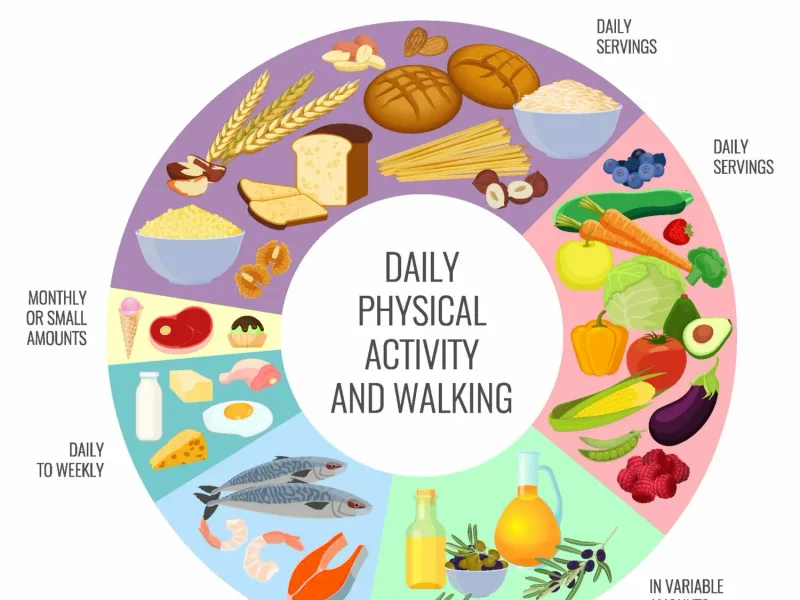
The cornerstone of managing diabetes through diet involves controlling carbohydrate intake, choosing healthy fats, and ensuring adequate protein and fiber. We must focus on the quality of food, not just the quantity.
Carbohydrate Counting
Carbohydrates break down into glucose, directly impacting blood sugar. It's vital to choose complex carbohydrates over simple ones. Complex carbs, found in whole grains, vegetables, and legumes, are digested more slowly. This leads to a gentler rise in blood glucose.
- Whole Grains: Opt for atta (whole wheat flour), oats, barley, and brown rice. Limit white rice and refined flour products.
- Vegetables: Non-starchy vegetables like leafy greens, tomatoes, cucumbers, and cauliflower should form a significant part of your meals.
- Fruits: Choose whole fruits over juices. Berries, apples, and pears are good choices. Portion control is crucial.
Healthy Fats
Fats do not directly raise blood sugar but impact heart health, which is vital for people with diabetes. Unsaturated fats are beneficial.
- Sources: Include nuts (almonds, walnuts), seeds (flaxseeds, chia seeds), and healthy oils like mustard oil or olive oil in moderation.
- Avoid: Limit saturated and trans fats found in fried foods, processed snacks, and fatty meats.
Protein Intake
Protein helps with satiety and has a minimal impact on blood glucose levels. Lean protein sources are preferred.
- Good Choices: Lentils (dal), beans, chickpeas (chana), lean poultry, and fish are excellent options.
Fiber is Your Friend
Dietary fiber slows down sugar absorption and aids digestion. It also helps you feel fuller for longer, assisting in weight management.
- Rich Sources: Whole grains, legumes, fruits, and vegetables are packed with fiber.
Tailoring the Diet for Saharsa's Local Cuisine
Saharsa, like many parts of Bihar, has a rich culinary heritage. Integrating diabetic-friendly choices within this context is entirely possible. The reality is, adapting familiar foods is often more sustainable than adopting entirely new ones.
That's the part worth remembering.
Breakfast Options
A typical Bihari breakfast might include litti chokha or sattu paratha. Adapting these requires smart choices.
- Modified Litti: Use whole wheat flour (atta) for the dough. Stuff with roasted sattu (roasted gram flour) seasoned with herbs and minimal salt. Pair with a side of mixed vegetable chokha (mashed vegetables) instead of potato-heavy versions. Avoid deep-frying; bake or roast the littis.
- Sattu Drink: A glass of unsweetened, roasted sattu mixed with water is an excellent, protein-rich breakfast. Add a pinch of cumin for flavour.
- Oats/Poha: Plain oats or poha (flattened rice) prepared with plenty of vegetables and minimal oil can also be a good choice.
Lunch and Dinner
The main meals often consist of rice, roti, dal, and vegetables. Portion control and preparation methods are key.
- Roti: Always choose whole wheat (atta) rotis. Consider adding other flours like jowar or bajra for increased fiber and nutrients.
- Rice: If consuming rice, opt for brown rice or a smaller portion of white rice. Mixing rice with vegetables can help reduce its glycemic impact.
- Dal: All types of lentils are beneficial. Prepare them with minimal oil and spices.
- Sabzi (Vegetables): Load up on non-starchy vegetables. Steamed, stir-fried, or lightly sautéed preparations are better than deep-fried ones. Local vegetables like gourds (lauki), pumpkin (kaddu), okra (bhindi), and leafy greens (saag) are great choices.
- Curd/Yogurt: Plain, unsweetened curd is a healthy accompaniment.
Snacks
Snacking between meals can support maintain stable blood sugar levels. Choose wisely.
- Roasted chana (chickpeas)
- A handful of nuts (unsalted)
- A small bowl of yogurt
- Sprouts salad
- Buttermilk (chaas)
Meal Timings and Consistency
Consistency in meal timings is crucial for effective diabetes management. Skipping meals or eating at irregular intervals can lead to blood sugar fluctuations. Practically speaking, establishing a routine makes adherence easier.
- Breakfast: Within 1-2 hours of waking up.
- Mid-morning Snack: If needed, around 10-11 AM.
- Lunch: Around 1-2 PM.
- Evening Snack: Around 4-5 PM.
- Dinner: Ideally 2-3 hours before bedtime, around 7-8 PM.
So what does that mean for you? Sticking to these timings helps your body regulate insulin and glucose more effectively. Living with this is genuinely hard, but consistency offers marked rewards.
Hydration is Vital
Drinking adequate water throughout the day is essential. Water helps the kidneys flush out excess glucose. Aim for 8-10 glasses daily. Unsweetened beverages like herbal teas are also good options.
Physical Activity: An Essential Component
Diet alone isn't enough. Regular physical activity complements dietary changes to improve insulin sensitivity and manage weight. The American Heart Association (AHA) recommends at least 150 minutes of moderate-intensity aerobic activity per week.
Even a brisk walk for 30 minutes most days of the week can make a marked difference. Explore local parks in Saharsa for walking or jogging.
Types of Exercise
- Aerobic: Walking, jogging, cycling, swimming.
- Strength Training: Lifting weights, resistance bands, bodyweight exercises (2-3 times a week).
- Flexibility: Yoga, stretching.
Is there a better way? Combining a mindful diet with consistent exercise is the most proven path to better health.
Understanding Glycemic Index (GI) and Load (GL)
The Glycemic Index (GI) ranks foods based on how quickly they raise blood sugar levels. Glycemic Load (GL) considers the amount of carbohydrate in a serving. Foods with a low GI/GL are generally preferred for diabetes management.
Here's where it gets interesting.
- Low GI Foods: Most non-starchy vegetables, legumes, whole grains, nuts, seeds.
- Moderate GI Foods: Whole wheat pasta, brown rice, oats, some fruits.
- High GI Foods: White bread, white rice, sugary cereals, potatoes, most processed snacks.
Choosing low-GI foods helps prevent sharp spikes and subsequent crashes in blood sugar. This approach supports stable energy levels throughout the day.
Special Considerations for Saharsa Residents
While general guidelines apply, local factors can influence dietary choices. Consider the availability of seasonal produce and traditional cooking methods.
- Seasonal Produce: Make the most of locally available fruits and vegetables. They are often fresher and more affordable.
- Traditional Cooking: Focus on healthier cooking techniques like steaming, baking, grilling, or stir-frying over deep-frying.
- Salt and Sugar: Minimize added salt and sugar in cooking and at the table. Read food labels carefully.
The World Health Organization (WHO) emphasizes reducing free sugars and salt intake for overall health, which is particularly crucial for managing diabetes.
The Role of Physicians and Specialists
Self-management is vital, but regular consultation with healthcare professionals is non-negotiable. Your doctor or a registered dietitian can provide personalized advice based on your specific health status, medications, and lifestyle. They can benefit create a tailored meal plan that aligns with your needs.
Worth knowing: Regular check-ups allow for monitoring of HbA1c levels, blood pressure, and cholesterol, ensuring your diabetes management plan is successful. AIIMS (All India Institute of Medical Sciences) and other leading institutions stress the importance of this collaborative approach.
Conclusion: Empowering Your Health Journey
Managing diabetes in Saharsa involves making informed food choices within the context of local cuisine and lifestyle. By focusing on balanced nutrition, regular meal timings, and consistent physical activity, you can effectively control your blood sugar levels and lead a healthier life.
Remember, small, consistent changes yield notable long-term benefits. Embrace this journey with positivity and determination!
Always consult a qualified physician before making medical decisions.
Frequently Asked Questions
Can I eat rice if I have diabetes?
Yes, people with diabetes can eat rice, but portion control and the type of rice are crucial. Opt for brown rice or basmati rice in limited quantities. Avoid large servings of white rice, especially when eaten alone. Pairing rice with plenty of vegetables and protein can enable moderate blood sugar response.
Here's where it gets interesting.
Is sattu good for diabetes?
Roasted sattu (gram flour) is generally considered beneficial for individuals with diabetes. It is a good source of protein and fiber, which helps in slowing down sugar absorption and promoting satiety. Ensure it is unsweetened and consumed in moderation as part of a balanced meal plan.
What fruits are best for diabetics?
Fruits like berries (strawberries, blueberries), apples, pears, cherries, and citrus fruits (oranges, grapefruit) are generally good choices due to their lower glycemic index and high fiber content. Always consume whole fruits rather than juices, and be mindful of portion sizes to manage carbohydrate intake effectively.
How often should I eat if I have diabetes?
Eating small, frequent meals at regular intervals is often recommended for diabetes management. Aim for three main meals and 1-2 small snacks throughout the day. This helps maintain stable blood sugar levels and prevents overeating. Consistent meal timing is key.