Understanding Metabolic Health and Dietary Choices in Sasaram
Diabetes mellitus represents a chronic condition that influences the body's utilization of simple carbohydrates (glucose). Effective management frequently relies on a thoughtfully constructed eating plan.
For individuals residing in Sasaram, comprehending how to adapt nutritional strategies using readily available local provisions is essential for sustaining optimal glycemic levels and averting complications. This guide, drawing upon established clinical benchmarks and expert perspectives from institutions such as the All India Institute of Medical Sciences (AIIMS), aims to present a clear operational framework.
The Pivotal Function of Nutrition in Managing Metabolic Conditions
Many individuals overlook a crucial point: dietary intake extends beyond merely what one consumes; it encompasses the way it affects the body's capacity to regulate insulin and circulating simple carbohydrates. Suboptimal meal selections can result in hyperglycemia (elevated levels of circulating simple carbohydrates), which heightens the potential for enduring harm to nerve tissues, ocular structures, renal function, and cardiovascular health.
Conversely, a well-organized meal regimen can significantly improve glycemic regulation. The influence of culinary choices on managing this metabolic disorder is undeniably profound.
India carries a substantial burden of this health challenge, with estimates from the IDF (2023) indicating over 77 million individuals living with the ailment. Within Bihar, a combination of lifestyle factors and eating patterns plays a significant role.
It sounds simple. It rarely is.
The reality dictates that personalized nutritional recommendations are vital for effectively navigating this health challenge.
Core Nutritional Principles for Individuals with Metabolic Dysregulation
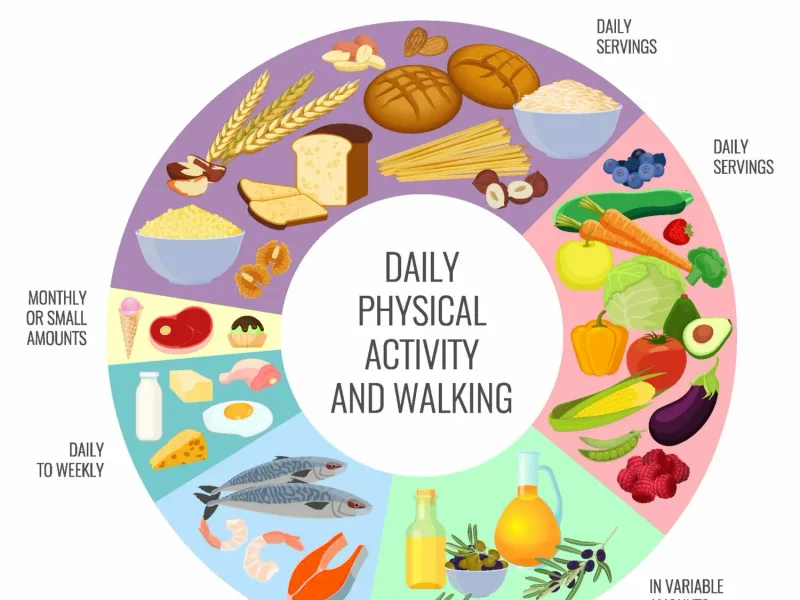
A diet supportive of metabolic health emphasizes balanced macronutrient consumption and prioritizes nutrient-dense dietary items. The fundamental principles are outlined below:
- Managed Carbohydrate Intake: Carbohydrates break down into simple energy molecules. The focus should be on complex carbohydrates (such as whole grains and legumes) rather than simple sweet substances. Aim for consistent consumption throughout the day to prevent sudden increases in circulating simple carbohydrates.
- Sufficient Amino Acids: Consuming adequate amino acids promotes satiety and minimally impacts circulating simple carbohydrates. Incorporate lean sources like lentils, beans, fish, and lean poultry.
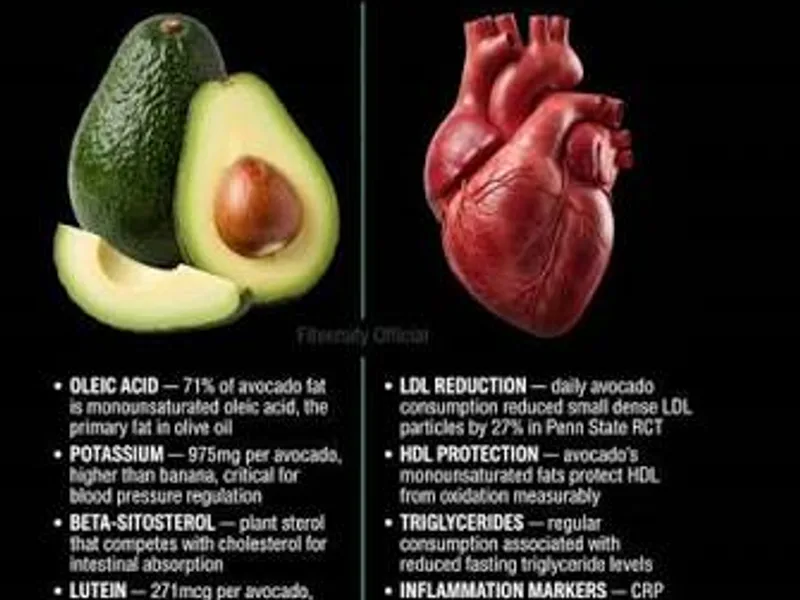
- Beneficial Fats: Unsaturated fats (found in nuts, seeds, avocados, and certain oils) offer health advantages. Restrict saturated and trans fats commonly found in fried culinary items and processed snack provisions.
- Fiber-Rich Edibles: Fiber helps to slow the absorption of simple carbohydrates, thereby assisting in glycemic control and promoting digestive well-being. Fruits, vegetables, whole grains, and legumes serve as excellent sources.
- Portion Management: Even wholesome dietary items can elevate circulating simple carbohydrates if consumed in excessive quantities. Understanding appropriate serving sizes is therefore critical.
Constructing a Meal Plan for Metabolic Health in Sasaram
Sasaram, similar to numerous Indian urban centers, provides a rich assortment of local produce and traditional culinary preparations. Adapting these to align with a metabolic management plan necessitates conscious choices. Here’s how to structure your daily meals:
Morning Meal Ideas
Begin your day with a balanced morning meal. Avoid sweet cereals or fried provisions. Consider the following selections:
- Poha with vegetables: Use minimal cooking oil and incorporate a generous amount of vegetables such as peas, carrots, and onions. A modest serving of poha (flattened rice) is acceptable.
- Oats Upma: Prepare oats with vegetables and minimal seasoning. Oats are an excellent source of soluble fiber.
- Besan Cheela (Gram Flour Pancake): Crafted from chickpea flour, this option is rich in amino acids. Adding chopped vegetables enhances its nutritional value.
- Whole Wheat Roti with Dal: One or two small rotis, prepared from whole wheat flour and paired with a bowl of lentil soup (dal), provides sustained energy.
The benefit of this approach is clear: initiating the day with a high-fiber, amino acid-rich morning meal prevents rapid increases in circulating simple carbohydrates and promotes a longer feeling of fullness.
Midday and Evening Meal Strategies
These meals should be organized using a plate method—half the plate should contain non-starchy vegetables, a quarter with lean amino acid sources, and a quarter with complex carbohydrates.
- Vegetable Sabzi: Prioritize seasonal vegetables like gourds (lauki, tori), leafy greens (palak, methi), beans, and cauliflower. Prepare them with minimal oil, favoring steaming or light sautéing.
- Dal/Lentils: Moong dal, masoor dal, chana dal, and rajma (kidney beans) are outstanding choices. They supply both amino acids and fiber.
- Lean Amino Acid Sources: Include grilled or baked fish, chicken breast, or paneer (Indian cottage cheese) in moderate amounts.
- Whole Grains: Select brown rice, whole wheat roti, or jowar/bajra rotis in preference to white rice or products made from refined flour. A small serving remains crucial.
- Salad: A side of fresh salad (cucumber, tomatoes, onions) adds bulk and nutrients without significantly affecting circulating simple carbohydrates.
Many traditional Bihari culinary preparations can be adapted. For instance, Sattu (roasted gram flour) can be utilized to make parathas with whole wheat flour or as a nourishing beverage, offering both amino acids and fiber.
Snack Selections
Snacks can assist in managing hunger between main meals and preventing overeating. Exercise judicious choice:
- A small quantity of unsalted nuts (almonds, walnuts)
- A modest bowl of sprouts
- A piece of fruit (apple, guava, pear)
- Yogurt or buttermilk (lassi without any added sweet substances)
To ensure sustained energy release, select snacks that provide a combination of amino acids, fiber, and beneficial fats.
Dietary Items to Limit or Exclude
Certain dietary provisions can trigger rapid increases in circulating simple carbohydrates and should be consumed sparingly or avoided entirely:
- Sweetened Beverages: Soft drinks, fruit juices (even 100% juice), and sweetened teas/coffees.
- Processed Provisions: Packaged snacks, biscuits, cakes, and white bread.
- Fried Culinary Items: Samosas, pakoras, and other deep-fried selections are high in unhealthy fats and calories.
- Sweet Treats and Desserts: Traditional Indian sweet dishes like ladoos, barfis, and gulab jamun typically contain very high levels of sweet substances.
- Refined Grains: White rice and maida (refined flour) products should be minimized.
These dietary items contribute significantly to suboptimal glycemic regulation and weight accumulation.
Hydration: The Underestimated Factor
Maintaining adequate hydration is essential for everyone, particularly for those managing metabolic conditions. Water stands as the optimal choice. Unsweetened herbal teas also represent suitable options.
And yet, so many people miss it.
Avoid sweet beverages, as they contribute empty calories and cause spikes in circulating simple carbohydrates. Aim for a daily intake of at least 8-10 glasses of water.
The Significance of Physical Movement
Dietary adjustments ought to be complemented by consistent physical activity. Aim for a minimum of 150 minutes of moderate-intensity aerobic activity per week, as recommended by the World Health Organization (WHO). This can encompass brisk walking, cycling, or swimming.
Strength training exercises also offer benefits. What is often overlooked is that physical activity enhances insulin sensitivity, thereby helping the body use simple carbohydrates more effectively.
Regular Monitoring and Expert Consultation
Consistent monitoring of your circulating simple carbohydrate levels is crucial for understanding how various dietary items and activities impact your system. The core principle here is that continuous oversight permits timely modifications to one's eating plan and lifestyle. Seeking advice from healthcare professionals holds paramount importance.
Physicians and registered dietitians are equipped to devise personalized meal plans based on an individual's specific requirements, medical background, and the availability of local provisions. For example, a specialist in metabolic disorders at a respected institution such as AIIMS can offer bespoke guidance.
Here's where it gets interesting.
Patients affected by this situation in Sasaram can consult local specialists or seek counsel from larger healthcare facilities.
It is important to remember that managing a metabolic situation is an ongoing journey, not a fixed endpoint. Small, consistent modifications can lead to substantial improvements in health outcomes. India has over 1.3 crore individuals with this concern seeking proven management strategies (ICMR, 2022).
Key Learning Points
- Prioritize whole grains, lean amino acid sources, and an abundance of non-starchy vegetables.
- Limit the consumption of sweet beverages, processed provisions, and fried culinary items.
- Regular physical movement is critical for managing circulating simple carbohydrates.
- Hydration with water is vital; avoid sweetened drinks.
- Consult healthcare professionals for tailored nutritional guidance.
Frequently Asked Questions
Can I consume rice if I have a metabolic problem?
Yes, consuming rice is permissible, but portion management is essential. Opt for brown rice over white rice, as it contains more fiber and possesses a lower glycemic index. Consume it in modest quantities as part of a well-rounded meal.
Which fruits are best for individuals managing metabolic conditions in Sasaram?
Fruits such as apples, guavas, pears, and berries are generally favorable choices due to their fiber content and lower levels of sweet substances. Avoid overly ripe fruits and large servings of very sweet options like mangoes or bananas.
Is sattu beneficial for metabolic health?
Sattu (roasted gram flour) can be advantageous as it is rich in amino acids and fiber, which contributes to slower absorption of simple carbohydrates. It is best consumed as a beverage without added sweet substances or incorporated into a whole-wheat paratha.
That's the part worth remembering.
How much water should an individual with a metabolic issue drink daily?
Individuals managing metabolic conditions should aim for sufficient hydration, typically around 8-10 glasses (2-2.5 liters) of water per day. However, individual requirements may vary, so consulting your physician is advisable.
Always consult a qualified physician before making medical decisions.