Understanding Diabetes in Garhwa
Diabetes mellitus, a chronic condition impacting millions across India, requires diligent management. We often see people in Garhwa striving to control their blood sugar levels. The reality is, managing diabetes involves a consistent, multi-pronged approach.
This means understanding your situation thoroughly and working closely with healthcare professionals. India has a significant diabetes burden, with approximately 77 million people affected as of 2023, according to the International Diabetes Federation (IDF). This figure underscores the vital importance of accessible and effective diabetes care within communities like ours.
Living with diabetes is genuinely hard. Daily routines need adjustment, and the constant monitoring can feel overwhelming. Does this sound familiar?
Key Pillars of Diabetes Treatment
proven diabetes management, whether you are in Garhwa or elsewhere, rests on several crucial pillars. These include lifestyle modifications, medication, regular monitoring, and specialist consultations. Let's break down each vital component.
1. Lifestyle Modifications: The Foundation
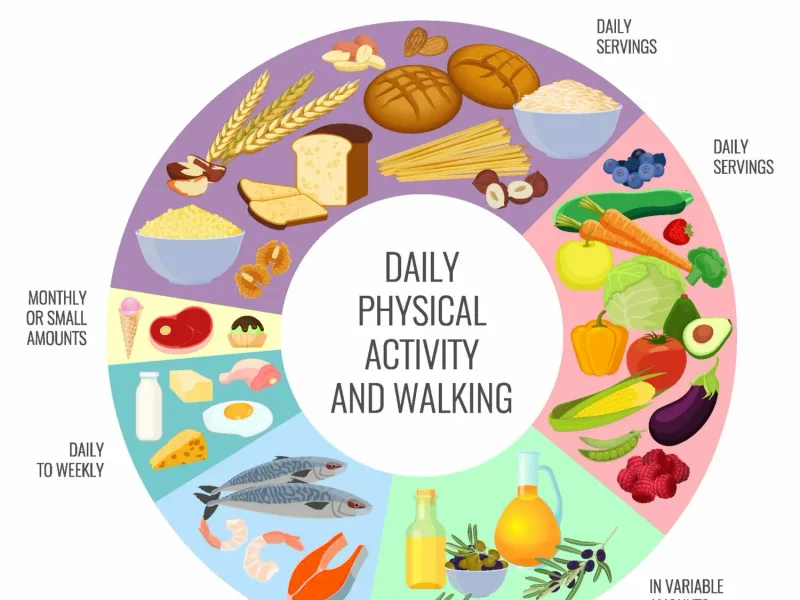
Changes to diet and physical activity are paramount. These form the bedrock of successful diabetes control. For people affected by diabetes in Garhwa, integrating these changes into daily life is key.
Recovery is rarely linear.
Dietary Adjustments
A balanced diet helps regulate blood glucose. We advise focusing on whole grains, lean proteins, and plenty of vegetables. Limiting processed foods, sugary drinks, and excessive carbohydrates is crucial. Practically speaking, this might mean choosing roti made from whole wheat flour over white rice and incorporating more dal and sabzi into meals. Portion control is also vital. The National Institute of Nutrition (NIN) in India recommends specific dietary guidelines that can be adapted for local cuisine.
Worth knowing: Many traditional Indian diets can be diabetes-friendly with mindful modifications. Avoiding deep-fried snacks and opting for baked or steamed alternatives significantly helps.
Physical Activity
Regular exercise is incredibly beneficial. It enhances insulin sensitivity, helping your body use glucose more effectively. Aim for at least 150 minutes of moderate-intensity aerobic activity per week.
This could include brisk walking, cycling, or swimming. Strength training exercises, performed two to three times a week, also boost muscle mass, which aids glucose uptake. Even simple activities like gardening or climbing stairs contribute positively.
What's the bottom line here? Consistency is more important than intensity when starting an exercise regimen.
2. Medical Therapies: When Lifestyle Isn't Enough
For many, lifestyle changes alone may not be sufficient to maintain target blood sugar levels. In such cases, physicians in Garhwa may prescribe oral medications or injectable therapies.
India reports a considerable rise in Type 2 diabetes, making medical intervention a common necessity. WHO guidelines emphasize a personalized approach to pharmacotherapy.
Oral Medications
Various classes of oral hypoglycemic agents exist. Metformin is often the first-line therapy for Type 2 diabetes. It works by reducing glucose production by the liver and improving insulin sensitivity.
Other frequent medications include sulfonylureas, DPP-4 inhibitors, and SGLT2 inhibitors. Each class has a distinct mechanism of action and potential side effects. Your doctor will select the most appropriate one based on your individual health profile.
And yet, so many people miss it.
Injectable Therapies
Insulin therapy is vital for Type 1 diabetes and often necessary for advanced Type 2 diabetes. Different types of insulin are available, including rapid-acting, short-acting, intermediate-acting, and long-acting formulations. Their administration requires proper technique and timing, often guided by a diabetes educator or physician.
Non-insulin injectable medications, such as GLP-1 receptor agonists, are also increasingly used. These can aid in weight loss and cardiovascular risk reduction.
The choice of therapy depends on factors like blood glucose levels, duration of diabetes, presence of complications, and patient preference. Always discuss potential benefits and risks with your specialist.
3. Regular Monitoring: Staying Informed
Self-monitoring of blood glucose (SMBG) is a key tool. It empowers people with diabetes to understand how food, activity, and medication affect their levels. Modern glucometers provide quick results, enabling timely adjustments to one's care plan.
Continuous Glucose Monitoring (CGM) systems offer even more detailed insights, tracking glucose trends throughout the day and night. The American Diabetes Association (ADA) recommends regular monitoring as part of a comprehensive diabetes self-management education program.
This is where most patients struggle.
Haemoglobin A1c (HbA1c) tests provide a longer-term picture of average blood sugar control over 2-3 months. Aiming for an HbA1c below 7% is a typical target, though individual goals may vary. Does this level of detail feel daunting?
4. Specialist Consultations: Expert Guidance
Regular visits to your physician are non-negotiable. Beyond general check-ups, annual screenings for diabetes-related complications are crucial.
These include eye exams by an ophthalmologist to detect diabetic retinopathy, kidney function tests (like serum creatinine and urine microalbumin) to monitor for nephropathy, and foot exams to prevent or manage neuropathy and foot ulcers. Cardiovascular health assessment is also vital, given the increased danger of heart disease in people with diabetes.
In Garhwa, accessing specialists might require planning. However, institutions like AIIMS Patna or other major medical centres offer advanced care. Connecting with local healthcare providers ensures you are on the right track. Physicians specializing in endocrinology are experts in managing complex diabetes cases.
widespread Diabetes Complications and Their Management
Diabetes, if poorly controlled, can lead to serious long-term health issues. Early detection and proactive management are vital to prevent or delay these complications.
Diabetic Retinopathy
Damage to the blood vessels in the retina can impair vision, potentially leading to blindness. Regular eye check-ups are the most reliable way to catch this early. therapy might involve laser therapy or injections.
That's the part worth remembering.
Diabetic Nephropathy
Kidney damage can progress to kidney failure. Blood pressure and kidney function tests help monitor this. Controlling blood sugar and blood pressure are key preventive strategies. Medications like ACE inhibitors may be prescribed.
Diabetic Neuropathy
Nerve damage often affects the feet, causing pain, numbness, or tingling. This increases the possibility of foot injuries and infections. Regular foot care and proper footwear are essential. Early intervention can benefit manage symptoms.
Cardiovascular Disease
People with diabetes have a significantly higher chance of heart attacks and strokes. Managing blood pressure, cholesterol levels, and blood sugar is crucial.
Adopting a heart-healthy diet and engaging in regular physical activity further reduces chance. The Indian Council of Medical Research (ICMR) highlights the strong link between diabetes and cardiovascular mortality.
Worth knowing: Managing blood pressure effectively is as critical as blood sugar control for preventing heart complications.
Accessing Diabetes Care in Garhwa
Garhwa has several healthcare facilities that can assist with diabetes management. Local primary health centres and clinics offer consultations and basic monitoring. For specialized care, individuals may need to travel to district hospitals or nearby larger cities.
The numbers don't lie.
Building a strong relationship with your primary care physician is the first step. They can guide you on when and where to seek further specialist advice.
Practically speaking, maintaining a record of your blood sugar readings, medications, and doctor's appointments can streamline your care journey. Don't hesitate to ask questions during your consultations. What's the bottom line here? Proactive engagement in your health is the most powerful tool you possess.
Key Takeaways
- powerful diabetes management combines diet, exercise, medication, and regular monitoring.
- Early detection and management of complications like retinopathy and nephropathy are vital.
- India faces a substantial diabetes burden, making community-level care crucial.
- Regular consultations with healthcare providers ensure personalized and reliable therapy plans.
Remember, managing diabetes is a marathon, not a sprint. With the right approach and consistent effort, you can lead a healthy and fulfilling life. Stay motivated, and take it one day at a time!
Frequently Asked Questions
Can I eat rice if I have diabetes?
Yes, you can eat rice in moderation if you have diabetes. Focus on portion control and choose brown rice or other whole grains when possible. Pair rice with protein and non-starchy vegetables to aid manage blood sugar spikes.
How often should I check my blood sugar?
The frequency of blood sugar checks depends on your individual care plan. Your doctor will advise you, but typically, it ranges from once a day to multiple times a day, especially if you use insulin. Monitoring helps appreciate how food and activity affect your levels.
What are the first signs of diabetes complications?
Early signs of complications can be subtle. For retinopathy, it might be blurred vision; for neuropathy, numbness or tingling in the feet; and for nephropathy, changes in urine output or swelling. Regular screenings are the best way to detect these issues early.
This is where most those affected struggle.
Is diabetes curable?
Currently, diabetes is considered a chronic situation that cannot be cured, but it can be effectively managed. Through lifestyle changes and appropriate medical care, individuals can maintain normal blood glucose levels and prevent complications, living a healthy life.
Always consult a qualified physician before making medical decisions.