Understanding Diabetes Reversal in Giridih
Diabetes, particularly Type 2, presents a significant health challenge globally and within India. In Giridih, as in many communities, the focus is shifting from mere management to exploring the possibility of diabetes reversal. This isn't about a magic cure, but a scientifically-backed approach emphasizing intensive lifestyle modifications.
What most people miss: Diabetes reversal aims to bring blood glucose levels back to a non-diabetic range without medication, primarily through diet and exercise. It requires commitment and a structured program. India has approximately 77 million people with diabetes (IDF, 2023), making such proactive strategies vital.
The Pillars of Diabetes Reversal
Achieving diabetes reversal hinges on several key components, often integrated into specialized programs available in cities like Giridih.
Intensive Lifestyle Intervention
This is the cornerstone. It involves a meaningful overhaul of daily habits. For many, this means a radical shift in dietary patterns and an increase in physical activity. The goal is to improve insulin sensitivity and reduce the body’s reliance on medication.
Nutritional Guidance
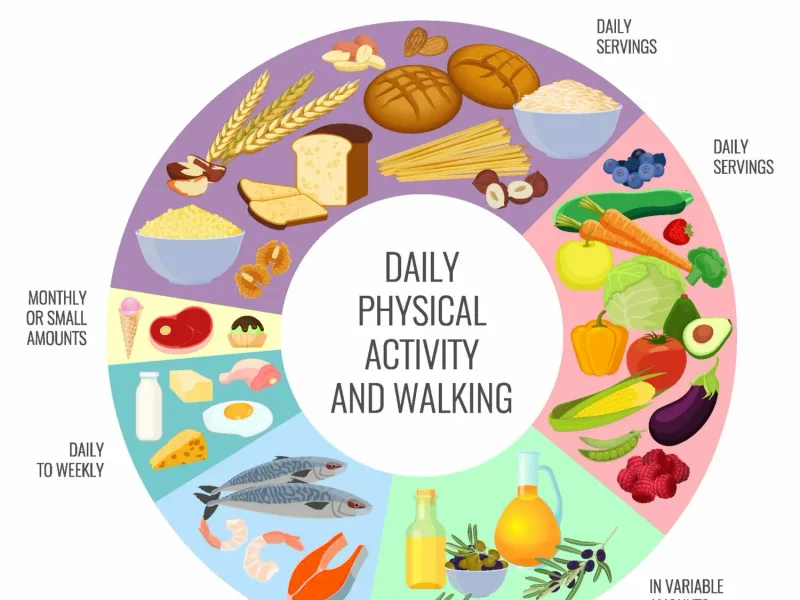
A tailored diet plan is crucial. We often see patients struggling with what to eat. Low-carbohydrate, high-fiber diets are frequently recommended.
This approach helps stabilize blood sugar levels and promotes weight loss, a vital factor in reversal. For instance, reducing intake of refined carbohydrates found in white rice and sugary drinks can make a substantial difference.
Physical Activity Regimen
Regular exercise is non-negotiable. A combination of aerobic activities (like brisk walking or cycling) and strength training is generally advised. Aiming for at least 150 minutes of moderate-intensity aerobic activity per week, as recommended by the WHO, is a good starting point.
And yet, so many people miss it.
But why does this happen? Exercise makes your cells more responsive to insulin.
Behavioral Support
Changing long-standing habits is difficult. Support groups and counseling play a vital role. These programs help individuals overcome psychological barriers and maintain motivation. In real-world terms, having a community that understands the struggle can be incredibly empowering.
Medical Monitoring
Regular check-ups with healthcare providers are essential. Physicians monitor blood glucose levels, HbA1c (a measure of average blood sugar over 2-3 months), and other relevant health indicators. This ensures the approach is safe and effective for the individual.
Signs You Might Be a Candidate for Reversal
While not everyone with Type 2 diabetes can achieve reversal, certain factors increase the likelihood. Early diagnosis and shorter duration of diabetes are key indicators.
Additionally, individuals who are overweight or obese often see major improvements. The National Institute of Nutrition (NIN) in India emphasizes that weight management is critical for metabolic health.
Potential Challenges and Considerations
The journey to diabetes reversal is not without its hurdles. Maintaining lifestyle changes long-term requires continuous effort and adaptation. Some individuals might experience initial fatigue or mood changes as their bodies adjust.
The numbers don't lie.
So what does that mean for you? It means patience and persistence are as important as the diet and exercise plan itself.
Worth knowing: For individuals in Giridih, accessing specialized programs might require travel or careful planning. However, many primary healthcare centers are now equipped to guide those affected on fundamental lifestyle changes.
Expert Insights from Giridih Specialists
Physicians in Giridih are increasingly adopting a proactive stance towards diabetes care. Dr.
Ramesh Gupta, a renowned endocrinologist practicing in the region, notes, “We encourage people to view diabetes reversal not as a distant dream, but an achievable goal through consistent effort and expert guidance.
Many specialists advocate for a personalized approach. What works for one person may not work for another. This tailored strategy ensures that the therapy is both safe and impactful. The Indian Council of Medical Research (ICMR) supports this personalized medicine approach for chronic diseases.
Integrating Traditional Indian Practices
Indian culture offers a rich heritage of dietary wisdom. Incorporating traditional practices like mindful eating, the use of specific spices known for their health benefits (such as fenugreek and turmeric), and locally sourced, whole foods can complement modern reversal programs.
Most people overlook this completely.
These ancient practices often align well with the principles of balanced nutrition. A study published in 'The Lancet Diabetes & Endocrinology' highlighted the potential of culturally adapted dietary interventions.
The Role of Technology and Support
Mobile health apps and wearable devices can assist in tracking food intake, physical activity, and blood glucose levels. These tools provide real-time feedback and assist individuals stay accountable. Online forums and support networks also offer a platform for sharing experiences and encouragement, creating a virtual community for those affected.
Living Well Beyond Diabetes: A Motivational Outlook
The prospect of diabetes reversal offers more than just improved health markers; it promises enhanced quality of life. Imagine feeling more energetic, reducing the risk of long-term complications like neuropathy or retinopathy, and regaining a sense of control over your well-being. This journey strengthens your overall resilience.
Living with diabetes is genuinely hard, but the possibility of reversal brings immense hope. It’s about embracing a healthier lifestyle that benefits every aspect of your life, not just your blood sugar. Think of it like tending to a garden; with consistent care and the right conditions, you can cultivate vibrant health.
The numbers don't lie.
Key Takeaways
- Diabetes reversal focuses on intensive lifestyle changes to normalize blood sugar without medication.
- Key components include tailored nutrition, regular exercise, behavioral support, and medical monitoring.
- Early diagnosis and shorter diabetes duration optimise chances of successful reversal.
- Integrating traditional Indian dietary wisdom can support modern reversal strategies.
- Personalized care plans are vital, as individual responses vary significantly.
Frequently Asked Questions
Can I eat rice if I have diabetes?
For individuals aiming for diabetes reversal, controlling rice intake, especially white rice, is crucial. Opting for smaller portions of brown or unpolished rice, consumed with fiber-rich vegetables, can aid mitigate blood sugar spikes. It's best to discuss specific portion sizes with your healthcare provider or a dietitian.
How long does diabetes reversal take?
The timeline for diabetes reversal varies greatly among individuals. Some may see notable improvements within a few months, while for others, it may take a year or more of consistent lifestyle changes. Factors like duration of diabetes, adherence to the program, and individual metabolic response play a role.
Is diabetes reversal permanent?
While considerable improvements and remission are possible, diabetes Type 2 can return if lifestyle habits are not maintained. The goal is to achieve a sustained state of remission, which requires lifelong commitment to a healthy diet, regular exercise, and regular medical check-ups. It's a continuous journey of well-being.