Understanding Diabetes in Bettiah
Diabetes, a chronic condition affecting millions, requires diligent management. In Bettiah, access to quality care is vital for those affected. We often see patients struggling with maintaining stable blood glucose levels. Honestly, managing diabetes can feel overwhelming, but with the right approach, a healthy life is achievable.
This problem, characterized by high blood sugar (hyperglycemia), occurs when the body doesn't produce enough insulin or can't use it effectively. Insulin, a hormone made by the pancreas, helps glucose from food get into our cells for energy. Without it, sugar builds up in the bloodstream.
Types of Diabetes and Their Management
Type 1 Diabetes
Type 1 diabetes is an autoimmune problem. The body's immune system mistakenly attacks and destroys insulin-producing beta cells in the pancreas. Consequently, people with Type 1 diabetes need lifelong insulin replacement therapy. This approach is crucial for survival.
Type 2 Diabetes
Type 2 diabetes is the most common form. Here, the body either doesn't produce enough insulin or the cells become resistant to its effects (insulin resistance).
Think about it this way: the key (insulin) doesn't fit the lock (cell receptor) properly anymore. Lifestyle factors like diet and exercise play a key role in its development and management.
Gestational Diabetes
Gestational diabetes develops during pregnancy. It affects some women and usually resolves after childbirth. However, it increases the risk of Type 2 diabetes later in life for both mother and child. Close monitoring is essential.
Recovery is rarely linear.
Key Components of Diabetes Treatment in Bettiah
Effective diabetes care involves a multi-pronged strategy. Physicians in Bettiah focus on personalized management plans. These plans consider individual health needs, lifestyle, and the specific type of diabetes.
1. Blood Glucose Monitoring
Regular monitoring is the cornerstone of diabetes management. People use glucose meters or continuous glucose monitors (CGMs) to track their blood sugar levels. This data helps individuals and their doctors adjust care plans. You'll notice that consistent tracking empowers better decision-making regarding diet and medication.
2. Diet and Nutrition
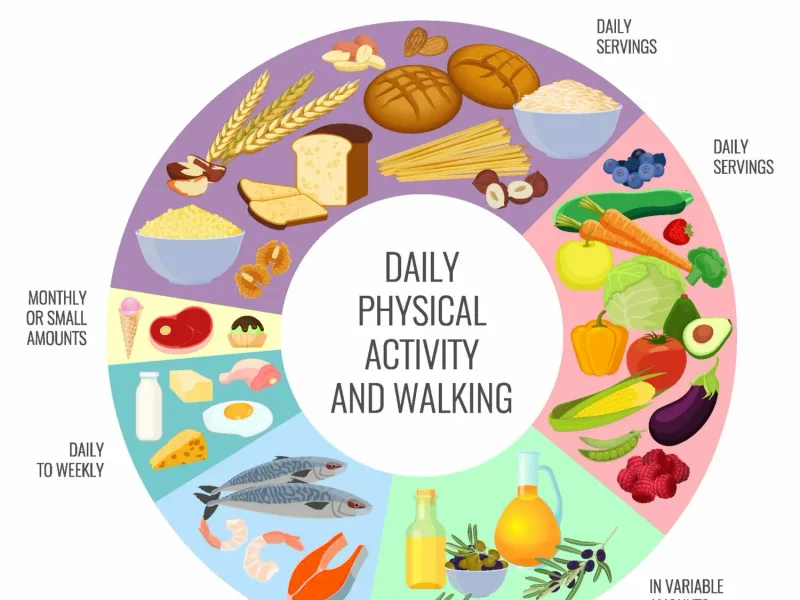
A balanced diet is vital. Specialists recommend limiting refined sugars and processed foods. Emphasis is placed on whole grains, lean proteins, fruits, and vegetables. Registered dietitians in Bettiah can create tailored meal plans. In many cases, small dietary changes yield significant improvements in blood sugar control.
Sample Diabetic Meal Ideas:
- Breakfast: Oatmeal with berries and nuts, or idli with sambar.
- Lunch: Roti (whole wheat), a bowl of dal, mixed vegetable curry, and a small portion of salad.
- Dinner: Brown rice, grilled fish or chicken, and steamed vegetables.
3. Physical Activity
Regular exercise helps improve insulin sensitivity. Aim for at least 150 minutes of moderate-intensity aerobic activity per week. Activities like brisk walking, cycling, or swimming are excellent choices. Strength training twice a week also boosts metabolic health. Remember, even short walks after meals can make a difference.
And yet, so many people miss it.
4. Medications
Depending on the type and severity of diabetes, various medications are prescribed.
Oral Medications:
For Type 2 diabetes, oral medications are often the first line of therapy. These drugs work in different ways, such as increasing insulin production or improving the body's response to insulin. Examples include Metformin, Gliclazide, and Sitagliptin. Your physician will select the most suitable option.
Injectable Medications (Non-Insulin):
Some non-insulin injectables, like GLP-1 receptor agonists, assist with blood sugar control and weight management. They are often used when oral medications aren't sufficient.
Insulin Therapy:
Insulin is essential for Type 1 diabetes and often becomes necessary for advanced Type 2 diabetes. Different types of insulin are available: rapid-acting, short-acting, intermediate-acting, and long-acting.
Proper injection technique and timing are crucial for effectiveness. physicians at leading hospitals in Bettiah provide comprehensive insulin education.
5. Diabetes Education and Support
Understanding your disorder is empowering. Diabetes education programs teach self-management skills. These include medication use, foot care, sick day rules, and recognizing hypo/hyperglycemia. Support groups offer emotional encouragement. Living with diabetes is genuinely hard, and community support is invaluable.
Finding Diabetes Specialists in Bettiah
Choosing the right healthcare providers is paramount. Bettiah has several experienced physicians and specialists dedicated to diabetes care.
Endocrinologists
These are medical physicians specializing in hormones and glands, including the pancreas. They are experts in diagnosing and managing complex diabetes cases. Seeking an endocrinologist ensures access to the highest level of specialized knowledge.
This is where most people struggle.
General Physicians
Many general physicians offer excellent primary diabetes care. They can manage stable cases and refer to specialists when needed. Building a strong relationship with your family doctor is often the first step.
Dietitians and Nutritionists
For personalized dietary guidance, consult a registered dietitian. They help create practical, sustainable eating plans. Their support is crucial for achieving specific health goals.
Advanced Treatments and Technologies
The field of diabetes care is constantly evolving. Modern advancements offer new hope and better control.
Continuous Glucose Monitoring (CGM)
CGMs provide real-time glucose readings. They alert users to high or low glucose levels, helping prevent dangerous fluctuations. This technology offers a more dynamic view of glucose trends than traditional meters.
Insulin Pumps
These small devices deliver insulin continuously throughout the day. They mimic the function of a healthy pancreas more closely. Pumps offer greater flexibility and can significantly enhance glucose control for some individuals.
Telemedicine Services
For convenience, many clinics in Bettiah now offer telemedicine consultations. This enables remote monitoring and virtual appointments with specialists. It's an impactful way to ensure consistent care, especially for those with mobility challenges.
Recovery is rarely linear.
Preventive Measures and Lifestyle Modifications
Prevention and slowing progression are key. Maintaining a healthy weight is vital. Avoiding tobacco use is also crucial for cardiovascular health.
Regular check-ups allow for early detection of complications like neuropathy (nerve damage) or retinopathy (eye damage). Think about it this way: consistent preventive care acts like a shield against potential future health issues.
Patient Experiences in Bettiah
Many individuals in Bettiah have successfully managed their diabetes through dedicated care. For instance, Mrs. Sharma, a 55-year-old resident, shared her journey. Initially diagnosed with Type 2 diabetes, she struggled with diet adherence.
After consulting a dietitian at a local clinic and joining a support group, she adopted a healthier lifestyle. Her HbA1c levels, a measure of average blood sugar over 2-3 months, significantly improved within six months. She now feels more energetic and in control of her health. Her story highlights the power of personalized support and education.
Another patient, Mr. Singh, aged 42, manages his Type 1 diabetes with insulin pump therapy. He found the technology initially daunting but, with training from his endocrinologist, now navigates it with ease.
And yet, so many people miss it.
The pump allows him greater freedom in his daily activities. What should you actually do if you feel overwhelmed by your diagnosis? Seek out resources and speak openly with your medical team.
The Role of Institutions
While specific local institutions in Bettiah may vary, national guidelines from bodies like the Indian Council of Medical Research (ICMR) and the World Health Organization (WHO) guide best practices. Adherence to these standards ensures reliable and reliable care for all people.
Honestly, managing diabetes is a marathon, not a sprint. But with the right support system and a proactive approach, you can lead a fulfilling life. Remember, every small step towards better health counts.
Always consult a qualified physician before making medical decisions.
Frequently Asked Questions
Can I eat rice if I have diabetes?
Yes, you can eat rice, but portion control is key. Opt for brown rice over white rice when possible, as it has more fiber. Monitor your blood sugar levels after eating rice to understand how it affects you personally.
What are the early signs of diabetes?
Early signs can include increased thirst, frequent urination, unexplained weight loss, and fatigue. You might also experience blurred vision or slow-healing sores. If you notice these indicators, consult a doctor promptly.
And yet, so many people miss it.
How often should I see a doctor for diabetes?
Typically, you should see your primary care physician every 3-6 months for routine check-ups. If you have complications or your blood sugar is unstable, your doctor may recommend more frequent visits. Regular follow-ups are vital for successful management.
Is diabetes curable?
Currently, diabetes is considered a chronic problem that can be managed, but not cured. However, through diligent lifestyle changes and therapy, individuals can achieve excellent blood sugar control and prevent complications, sometimes even achieving remission in Type 2 diabetes.