Managing Diabetes in Kolkata: A Comprehensive Guide
Living with diabetes in a vibrant city like Kolkata presents unique challenges and opportunities. We often see people struggling to balance busy lives with the demands of managing this chronic condition. Honestly, it requires a proactive approach to healthcare.
What most people miss is that effective diabetes management is a journey, not a destination. It involves understanding your issue, working closely with healthcare providers, and making consistent lifestyle choices. Kolkata, with its growing medical infrastructure, offers a range of reliable treatment options for those affected.
Understanding Diabetes: The Basics
Diabetes mellitus is a chronic metabolic disorder characterized by elevated blood glucose levels over a prolonged period. This happens because the body either doesn't produce enough insulin or cannot effectively use the insulin it produces. Insulin is a hormone that regulates blood sugar.
*
Type 1 Diabetes: An autoimmune situation where the body’s immune system attacks and destroys insulin-producing beta cells in the pancreas. It typically requires lifelong insulin therapy.
*
Type 2 Diabetes: The most common form, where the body becomes resistant to insulin or doesn't produce enough. Lifestyle factors play a crucial role here.
*
Gestational Diabetes: Develops during pregnancy and usually resolves after childbirth, though it increases the risk of type 2 diabetes later.
The Importance of Early Diagnosis and Expert Care
Detecting diabetes early is vital for preventing serious complications. Signs can include increased thirst, frequent urination, unexplained weight loss, fatigue, and blurred vision. Does this sound familiar?
In many cases, neglecting these indicators can lead to severe health issues. These include heart disease, kidney damage (nephropathy), nerve damage (neuropathy), and vision loss (retinopathy). The World Health Organization (WHO) emphasizes the critical role of early intervention.
Kolkata boasts numerous hospitals and clinics staffed by highly qualified endocrinologists and diabetologists. Institutions like the Institute of Post Graduate Medical Education & Research (IPGMER) and the All India Institute of Medical Sciences (AIIMS), Delhi (though not in Kolkata, its standards are benchmarks) provide excellent training and research facilities that influence care across India. Think about it this way: these specialists are your primary allies in this fight.
Key intervention Approaches in Kolkata
approach plans are always individualized, considering the type of diabetes, the patient’s overall health, age, and lifestyle. A reliable approach typically combines several strategies.
1. Lifestyle Modifications: The Cornerstone
This is often the first line of therapy, especially for type 2 diabetes. It’s about making sustainable changes.
*
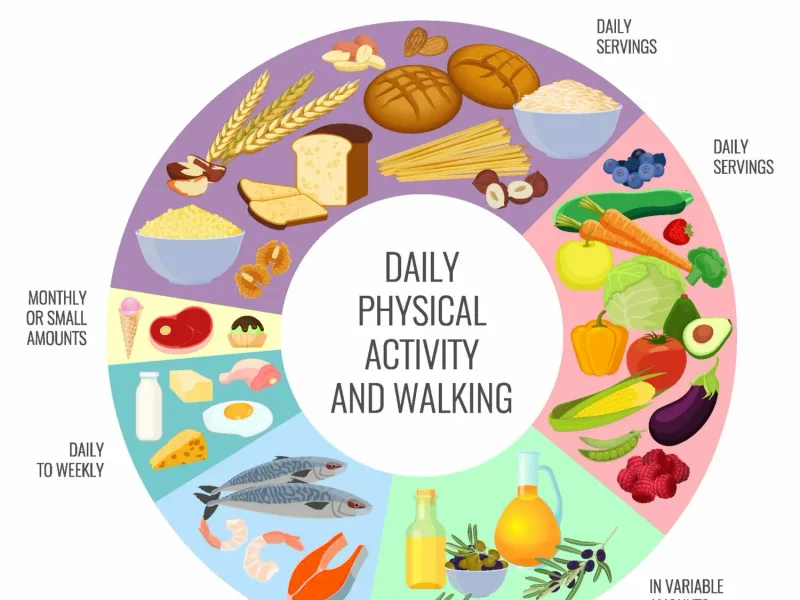
Dietary Adjustments: A balanced diet is crucial. This involves controlling carbohydrate intake, focusing on whole grains, lean proteins, and plenty of vegetables. Consulting a registered dietitian is highly recommended. For instance, a diabetic-friendly Bengali meal might include fish curry with minimal oil, steamed rice (controlled portion), and a generous serving of shaak bhaji (leafy greens).
*
Regular Physical Activity: Aim for at least 150 minutes of moderate-intensity aerobic activity per week, as per American Heart Association (AHA) guidelines. This could be brisk walking, cycling, or swimming. Even simple activities like climbing stairs can help.
*
Weight Management: Achieving and maintaining a healthy weight significantly improves insulin sensitivity.
2. Oral Medications
When lifestyle changes aren’t enough, physicians may prescribe oral medications. These drugs work in various ways:
*
Metformin: Often the first drug prescribed for type 2 diabetes. It reduces glucose production by the liver and improves insulin sensitivity.
*
Sulfonylureas: Stimulate the pancreas to release more insulin.
*
DPP-4 Inhibitors: aid increase insulin levels and decrease glucose production.
*
SGLT2 Inhibitors: enable the kidneys remove excess glucose from the blood.
These medications require careful monitoring by a doctor to manage side effects and efficacy. What's the bottom line here? Adherence is key.
3. Injectable Therapies (Including Insulin)
For type 1 diabetes, insulin therapy is essential. It's also used for type 2 diabetes when oral medications are insufficient.
*
Insulin: Available in various types (rapid-acting, short-acting, intermediate-acting, long-acting). Proper injection technique and timing are vital. Many patients in Kolkata use insulin pens for convenience.
*
GLP-1 Receptor Agonists: Injectable non-insulin medications that enable lower blood sugar and often aid in weight loss.
4. Advanced Therapies and Technologies
Kolkata’s healthcare sector is increasingly adopting advanced solutions:
*
Continuous Glucose Monitoring (CGM): Devices that track glucose levels throughout the day and night, providing real-time data.
*
Insulin Pumps: Small devices that deliver a steady dose of insulin.
*
Bariatric Surgery: For individuals with severe obesity and type 2 diabetes, bariatric surgery can lead to significant improvements or even remission.
Finding the Right Specialist in Kolkata
Choosing the right doctor is paramount. Look for:
*
Endocrinologists/Diabetologists: Specialists in hormonal disorders, including diabetes.
*
Dietitians/Nutritionists: Experts in creating personalized meal plans.
*
Podiatrists: For foot care, a crucial aspect of diabetes management.
Many leading hospitals in Kolkata, such as Apollo Gleneagles, Fortis, and AMRI Hospitals, have dedicated diabetes management centers. Researching online reviews and seeking recommendations can aid you find a trusted physician.
Living Well with Diabetes in Kolkata
Managing diabetes effectively is about more than just medical care. It involves integrating healthy habits into your daily life. Think about it this way: it’s like learning to navigate the busy streets of Kolkata – it requires awareness, planning, and consistent effort.
Living with this is genuinely hard. The daily glucose checks, medication schedules, and dietary restrictions can feel overwhelming. However, with the right support system and a positive mindset, you can lead a fulfilling life. Support groups and regular follow-ups with your healthcare team can make a major difference. Remember, you are not alone in this journey.
The city offers resources ranging from specialized clinics to community health programs. Embracing a proactive stance will enable you to manage your concern successfully and enhance your overall well-being. We believe that with the right approach, managing diabetes in Kolkata can be a manageable and even empowering experience.
Always consult a qualified physician before making medical decisions.
Frequently Asked Questions
Can I eat sweets if I have diabetes?
While it's best to limit sugary foods, occasional small portions of sweets might be permissible as part of a balanced meal plan. Discussing this with your doctor or dietitian is crucial to understand how it fits into your individual care strategy.
How often should I check my blood sugar?
The frequency of blood glucose monitoring depends on your type of diabetes, management plan, and overall control. Your physician will provide a personalized schedule, which might range from multiple times daily to a few times a week.
Is insulin a cure for diabetes?
No, insulin is a care, not a cure, for diabetes. It replaces or supplements the insulin your body cannot produce or use effectively, helping to manage blood sugar levels and prevent complications.
What are the signs of low blood sugar (hypoglycemia)?
Symptoms of hypoglycemia can include shakiness, sweating, dizziness, rapid heartbeat, confusion, and irritability. If you experience these, consume a fast-acting carbohydrate source like glucose tablets or fruit juice immediately and seek medical advice.
And yet, so many people miss it.