By Dr. Priya Sharma, MD — Internal Medicine Specialist, Apollo Hospitals, Delhi
The Allure of the 'Diet Cure'
In my practice at Apollo Hospitals, Delhi, I often encounter people seeking quick fixes for their health concerns. The idea of a 'diet cure'—that specific foods or eating patterns can eliminate symptoms or diseases entirely—is incredibly appealing. Honestly, who wouldn't want to heal with a plate of food instead of medication?
However, the reality is far more complex. While diet plays a vital role in managing many conditions and can significantly impact warning signs, the concept of a singular 'diet cure' for most serious illnesses is largely a myth. Worth knowing: Many so-called 'cures' lack rigorous scientific backing.
Understanding Diet's Real Role
Diet is undeniably crucial for overall well-being. A balanced nutritional approach can help prevent diseases, manage chronic conditions, and boost the body's natural healing processes. For example, dietary changes are a cornerstone in managing conditions like diabetes (Type 2), hypertension (high blood pressure), and certain autoimmune disorders.
Impact on Specific signs
Think about it this way: If you have persistent indigestion, a low-FODMAP diet might alleviate your discomfort. Similarly, for individuals with iron-deficiency anemia, increasing iron-rich foods is a proven strategy. These are examples of dietary adjustments that *assist* in symptom management, not necessarily a 'cure' for the underlying cause.
That alone changes everything.
When Diet Isn't Enough
Living with chronic pain or a serious illness is genuinely hard. While dietary modifications can be a powerful supportive therapy, they rarely replace the need for conventional medical treatment.
For instance, a person with a severe bacterial infection needs antibiotics; simply changing their diet won't eliminate the bacteria. Likewise, advanced heart disease requires medical and sometimes surgical intervention, though diet is a vital part of the long-term care plan.
Debunking 'Miracle' Diets
We often see 'miracle' diets promoted online or through word-of-mouth, promising dramatic results for conditions ranging from arthritis to cancer. These often involve restrictive eating patterns or expensive supplements. Does this sound familiar?
- Lack of Evidence: Many lack large-scale, peer-reviewed studies published in reputable journals like The Lancet or by institutions like the WHO.
- Potential Harm: Extreme or unbalanced diets can lead to nutritional deficiencies, disrupt metabolism, and even worsen existing health problems.
- Misinformation: They often oversimplify complex diseases and prey on people's desperation for a cure.
In my practice, I've seen patients spend significant time and money on unproven dietary approaches, delaying effective medical care. This is a critical point: always verify claims with reliable sources and your physician.
Evidence-Based Nutrition for Health
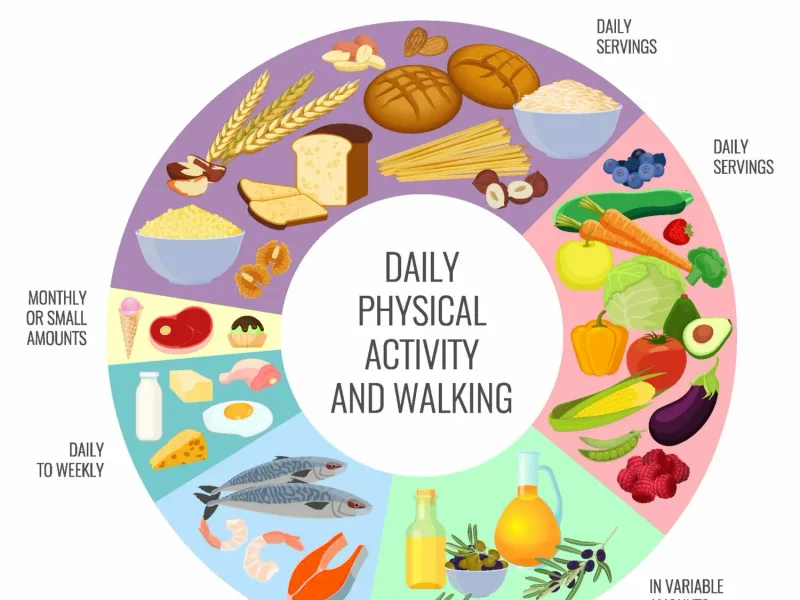
So what does that mean for you? Focus on evidence-based nutrition. This means adopting eating patterns supported by scientific research and recommended by health authorities like the Indian Council of Medical Research (ICMR) or the American Heart Association (AHA).
The numbers don't lie.
Key Principles of Healthy Eating
- Balanced Macronutrients: Include adequate protein, healthy fats, and complex carbohydrates in your meals.
- Rich in Micronutrients: Emphasize fruits, vegetables, whole grains, and lean proteins for essential vitamins and minerals.
- Hydration: Drink plenty of water throughout the day.
- Limit Processed Foods: Reduce intake of added sugars, unhealthy fats, and excessive sodium.
These principles form the foundation of good health and can powerfully assist in managing manifestations associated with various conditions. For example, a diet rich in antioxidants can benefit reduce inflammation, an indicator of many chronic diseases.
Consulting Your Doctor
Before making drastic changes to your diet, especially if you have a diagnosed health condition, it is vital to consult a healthcare professional. We can aid you understand how diet interacts with your specific issue and approach plan.
In real-world terms, your doctor can guide you toward dietary choices that are safe, successful, and tailored to your needs.
Frequently Asked Questions
Can I eat rice if I have diabetes?
People with diabetes can often include rice in their diet, but portion control and the type of rice are crucial. Opting for brown rice or other whole grains over white rice is generally recommended as they have a lower glycemic index. Monitoring your blood sugar levels after eating rice helps know your individual response.
Is a ketogenic diet a cure for epilepsy?
The ketogenic diet is a medically supervised therapy that has proven impactful in reducing seizure frequency in some individuals with epilepsy, particularly children who don't respond well to medication. However, it is not considered a 'cure' and requires careful management by a healthcare team due to potential side effects.
Recovery is rarely linear.
Can I cure my arthritis with alkaline water?
There is currently no scientific evidence to suggest that alkaline water can cure arthritis. While staying hydrated is important for overall health, focusing on an anti-inflammatory diet rich in fruits, vegetables, and omega-3 fatty acids, alongside prescribed medical treatments, is a more reliable approach for managing arthritis indicators.
Remember, while diet is a powerful tool, it's part of a larger picture of health. Embrace healthy eating as a lifelong journey to strengthen your well-being. Always consult a qualified physician before making medical decisions.