Understanding Digestive Health in Dhanbad
Finding the right medical professional is crucial for managing digestive issues. In Dhanbad, a dedicated digestive disease doctor, also known as a gastroenterologist, offers specialized care for conditions affecting the esophagus, stomach, intestines, liver, and pancreas. We often see people struggling with discomfort, and knowing where to turn is the first step towards relief.
What Does a Gastroenterologist Do?
A gastroenterologist is a physician with extensive training in diagnosing and treating disorders of the gastrointestinal (GI) tract. Their expertise covers a wide spectrum of conditions, from common ailments like acidity and indigestion to complex diseases such as inflammatory bowel disease (IBD) and liver cirrhosis. Think about it this way: they are the specialists who understand the intricate workings of your digestive system.
typical Digestive Conditions Treated
Many of us have experienced digestive discomfort at some point. widespread issues that prompt visits to a digestive disease doctor in Dhanbad include:
- Acid Reflux (GERD): Persistent heartburn and regurgitation.
- Peptic Ulcers: Sores in the lining of the stomach or duodenum.
- Irritable Bowel Syndrome (IBS): A usual disorder causing abdominal pain, bloating, and changes in bowel habits. India has a significant IBS burden, with estimates suggesting up to 20% of the population may be affected.
- Inflammatory Bowel Disease (IBD): Conditions like Crohn's disease and ulcerative colitis.
- Gallstones: Hardened deposits in the gallbladder.
- Liver Diseases: Including hepatitis and fatty liver disease. Viral hepatitis affects millions in India, with specific strains posing ongoing public health challenges.
- Constipation and Diarrhea: Chronic or severe issues impacting daily life.
But why does this happen? These conditions can arise from various factors, including diet, stress, genetics, infections, and lifestyle choices.
When to Consult a Digestive Disease Doctor
Persistent or severe symptoms warrant professional medical attention. You should seek care from a digestive disease doctor in Dhanbad if you experience:
- Unexplained weight loss
- Difficulty swallowing
- Persistent abdominal pain
- Blood in your stool or vomit
- Chronic constipation or diarrhea
- Jaundice (yellowing of the skin and eyes)
- Frequent heartburn or indigestion not relieved by over-the-counter medications
So what does that mean for you? Early diagnosis and intervention can prevent complications and significantly improve your quality of life.
Finding a Specialist in Dhanbad
Locating a skilled gastroenterologist in Dhanbad involves a few key steps. You can start by asking your primary care physician for a referral. Online health platforms, like Doctar, also provide detailed profiles of specialists, including their qualifications, patient reviews, and available appointment times. Worth knowing: checking hospital affiliations can also be beneficial.
When evaluating potential doctors, consider:
- Qualifications and Experience: Look for board certification in gastroenterology and years of practice.
- Hospital Affiliations: Reputable hospitals often have stringent vetting processes for their medical staff. Major institutions in and around Dhanbad are good indicators of quality care.
- Patient Testimonials: Reviews from other patients can offer insights into the doctor's bedside manner and treatment effectiveness.
- Specialization: Some gastroenterologists focus on specific areas, like IBD or liver diseases. If you have a particular condition, finding a sub-specialist might be advantageous.
Diagnostic Procedures
Gastroenterologists use a range of diagnostic tools to accurately identify digestive issues. These may include:
- Endoscopy: A procedure using a flexible tube with a camera to visualize the upper GI tract (esophagus, stomach, duodenum).
- Colonoscopy: Similar to endoscopy but examines the lower GI tract (colon). This is a vital screening tool; the Indian Council of Medical Research (ICMR) recommends regular colonoscopies for certain age groups to detect colorectal cancer early.
- Blood Tests: To check for infection, inflammation, organ function (like liver enzymes), and nutritional deficiencies.
- Stool Tests: To detect infections, blood, or other abnormalities.
- Imaging Studies: Such as ultrasounds, CT scans, and MRIs to visualize abdominal organs.
In real-world terms, these procedures enable physicians to see the internal landscape of your digestive system, leading to precise diagnoses.
approach Approaches
Once a diagnosis is established, your doctor will develop a personalized approach plan. Therapies can range from lifestyle modifications and dietary changes to medications and, in some cases, surgery. For example, managing IBS might involve dietary adjustments (like the low-FODMAP diet, often guided by a dietitian), stress management techniques, and specific medications to control signs. For conditions like Crohn's disease, advanced therapies including biologics may be employed, aligning with international clinical standards set by bodies like the World Gastroenterology Organisation (WGO).
Living with chronic digestive disease is genuinely hard. The goal of approach is to manage warning signs, prevent disease progression, and enhance overall well-being.
Dietary Considerations
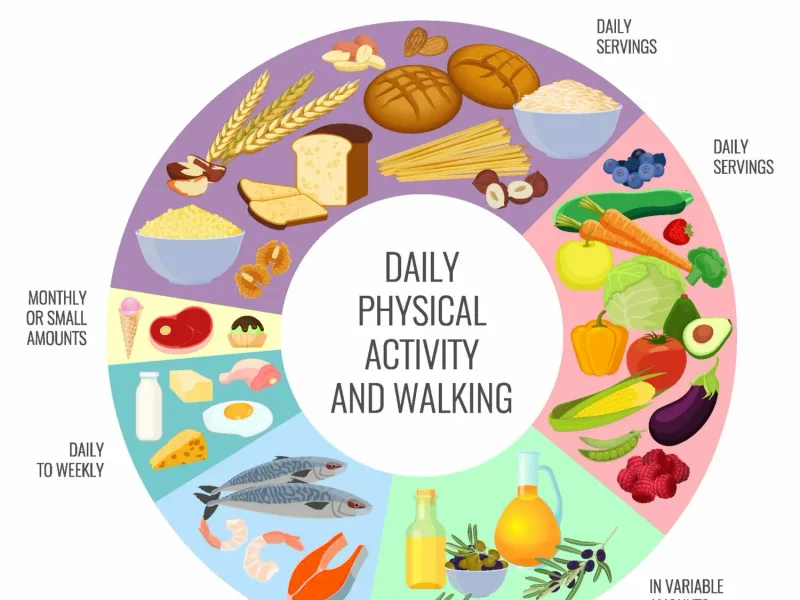
Diet plays a pivotal role in digestive health. A balanced diet rich in fiber, fruits, and vegetables is generally recommended. However, specific conditions may require tailored dietary approaches. For instance, individuals with celiac disease must strictly avoid gluten. Physicians often collaborate with dietitians to create personalized meal plans. Remember, what works for one person might not suit another.
Preventive Care and Screening
Preventive measures are key to maintaining a healthy digestive system. Regular check-ups and screenings, especially for individuals with a family history of GI cancers or other chronic digestive diseases, are vital. Colon cancer screening, for example, can detect precancerous polyps before they develop into cancer. The National Health Portal of India emphasizes the importance of these screenings for early detection and improved outcomes.
Choosing the Right Doctor: A Final Thought
Selecting a digestive disease doctor in Dhanbad is a personal decision. Trust your instincts and choose a physician you feel comfortable with and confident in. A strong doctor-patient relationship, built on clear communication and mutual respect, is fundamental to successful intervention. The aim is always to enhance your health and provide reliable care.
Key Takeaways
- Gastroenterologists are specialists for digestive system disorders.
- typical conditions include GERD, IBS, and liver diseases.
- Seek a doctor for persistent abdominal pain, unexplained weight loss, or blood in stool.
- Diagnostic tools include endoscopy and colonoscopy, vital for early cancer detection.
- Personalized therapy plans are essential for managing chronic digestive issues.
Always consult a qualified physician before making medical decisions.
Frequently Asked Questions
Can I eat rice if I have digestive issues?
Whether you can eat rice depends on your specific digestive problem. For conditions like IBS, some individuals may tolerate white rice better than brown rice due to its lower fiber content. If you have conditions like celiac disease, rice is generally safe as it is gluten-free, but always confirm with your doctor.
How can I strengthen my digestion naturally?
Improving digestion naturally involves several lifestyle changes. Eating slowly and chewing food thoroughly aids digestion. Staying hydrated by drinking plenty of water is crucial, as is regular physical activity. Limiting processed foods and managing stress through techniques like yoga or meditation can also significantly help.
What are the signs of a serious digestive problem?
Signs of a serious digestive problem can include persistent severe abdominal pain, blood in your stool or vomit, unexplained considerable weight loss, and difficulty swallowing. Jaundice, or yellowing of the skin and eyes, also indicates a potentially critical issue requiring immediate medical attention.
What is the difference between a general physician and a gastroenterologist?
A general physician treats many kinds of frequent illnesses and provides general medical care. A gastroenterologist is a specialist who has undergone advanced training specifically focused on diagnosing and treating diseases of the digestive system, including the esophagus, stomach, intestines, liver, pancreas, and gallbladder.
The numbers don't lie.