Understanding Irritable Bowel Syndrome (IBS)
Irritable Bowel Syndrome, commonly referred to as IBS, represents a prevalent gastrointestinal disorder that markedly influences the large intestine. This condition impacts millions across the globe, and individuals residing in regions like Bhagalpur face similar challenges.
Its manifestations differ considerably, frequently resulting in persistent unease and interruptions to daily routines. The precise etiology (cause) of IBS remains unclear, though it is thought to stem from a combination of elements.
Among these contributing elements are difficulties with gut-brain communication, atypical muscle contractions within the intestine, and alterations in the gut's bacterial composition. A heightened sensitivity to particular dietary items additionally holds a crucial part.
Clinically, the indicators of IBS commonly present as abdominal discomfort, cramping, bloating, increased gas, diarrhea, or constipation—and occasionally, a combination of these issues.
IBS Treatment Approaches in Bhagalpur
Navigating the management of Irritable Bowel Syndrome necessitates a tailored approach. It is important to recognize that no single cure fits all individuals.
Healthcare providers in Bhagalpur personalize therapeutic strategies based on a person's unique presentation and identified triggers. The primary objectives involve alleviating discomfort and enhancing the quality of life for those affected.
That's the part worth remembering.
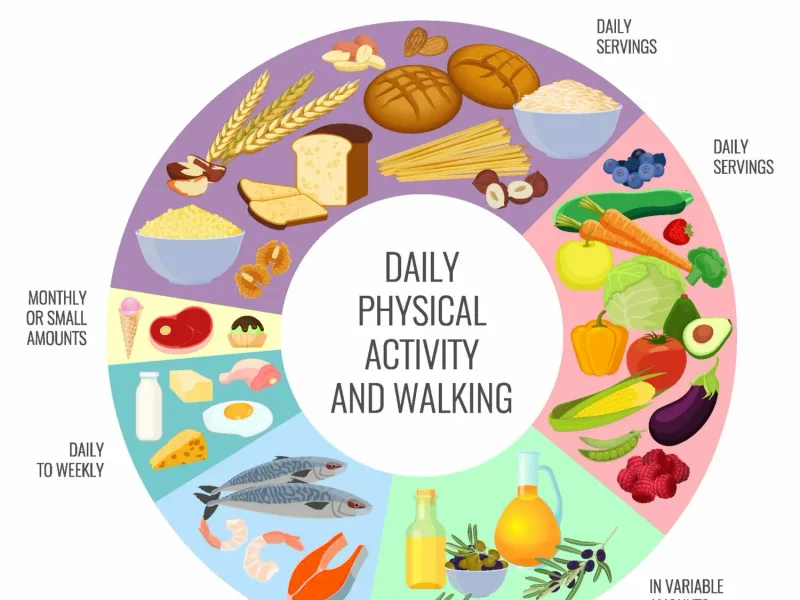
Dietary Modifications: The Cornerstone of IBS Care
Adjusting one's diet is frequently the initial and most critical step in addressing IBS. Identifying trigger consumables is paramount. Common culprits include high-FODMAP items (Fermentable Oligosaccharides, Disaccharides, Monosaccharides, and Polyols). These are short-chain carbohydrates that the small intestine poorly absorbs.
- Low-FODMAP Diet: This eating plan entails the temporary exclusion of high-FODMAP provisions. Examples encompass certain fruits (such as apples, pears), vegetables (like onions, garlic), dairy products, wheat, and beans. Following an elimination phase, these dietary components are systematically reintroduced to pinpoint individual triggers. This strategy, endorsed by institutions such as Monash University, has demonstrated considerable efficacy.
- Fiber Intake: Regulating fiber consumption is essential. Soluble fiber, found in oats, psyllium, and some fruits, can aid in normalizing bowel movements. It proves beneficial for both diarrhea and constipation. Conversely, insoluble fiber, present in whole grains and vegetable skins, might exacerbate discomfort for some individuals.
- Hydration: Sufficient water intake is indispensable for maintaining digestive health. It assists in softening stool and promotes regular bowel evacuation. Aim for a minimum of 8 glasses of water daily; increase this amount if you are experiencing significant diarrhea.
- Meal Timing and Habits: Consuming smaller, more frequent meals can prevent overburdening the digestive system. Avoiding large, heavy meals, especially late at night, is also recommended. Eating slowly and thoroughly chewing one's sustenance further supports digestion.
From a practical standpoint, collaborating with a registered dietitian or nutritionist in Bhagalpur can significantly streamline this process. They are equipped to guide individuals through the intricacies of an IBS-friendly eating regimen.
Pharmacological Interventions
When adjustments to lifestyle and diet prove insufficient, medications can provide substantial relief. Clinicians often prescribe pharmaceutical agents to target particular manifestations of Irritable Bowel Syndrome. Is there an alternative beyond just diet? In certain instances, yes.
- Antispasmodics: These drugs work by relaxing the muscles in the gut wall, thereby diminishing abdominal pain and cramping. Hyoscine or dicyclomine are examples. They are particularly effective for IBS-D (diarrhea-predominant) and IBS-M (mixed type).
- Laxatives: For individuals experiencing IBS-C (constipation-predominant), laxatives can help regulate bowel activity. Options range from bulk-forming agents, such as psyllium, to osmotic laxatives. Prescription medications like lubiprostone or linaclotide may also be considered.
- Anti-diarrheal Agents: Loperamide is a commonly utilized compound for managing diarrhea. Its mechanism involves slowing down intestinal transit. This agent should be employed judiciously and under expert supervision.
- Antidepressants: Low doses of certain antidepressant classes, notably tricyclic antidepressants (TCAs) and selective serotonin reuptake inhibitors (SSRIs), can assist in managing IBS-related pain and regulating gut function. This effect is achieved by influencing nerve pathways within the gastrointestinal tract.
- Antibiotics: In specific scenarios, particularly when small intestinal bacterial overgrowth (SIBO) is suspected, a course of antibiotics, such as Rifaximin, might be prescribed. This constitutes a targeted therapeutic strategy.
The selection of appropriate medication relies heavily on the predominant clinical presentation and the patient's overall health profile. Consultation with a specialist remains paramount.
Gut-Brain Axis Therapies
The intricate connection between the brain and the gut is increasingly recognized as pivotal in the management of IBS. Therapies that target this axis can prove highly proven.
- Stress Management Techniques: Approaches like mindfulness, meditation, and deep breathing exercises are capable of significantly lowering stress levels. As stress can exacerbate IBS manifestations, these practices offer a crucial coping mechanism. Living with IBS presents genuine difficulties, and effectively managing stress is key.
- Cognitive Behavioral Therapy (CBT): CBT is a form of psychotherapy designed to assist individuals modify unhelpful thought patterns and behaviors. It has demonstrated efficacy in managing chronic pain conditions, including IBS. This empowers people to cope more effectively.
- Hypnotherapy: Gut-directed hypnotherapy has yielded promising outcomes in reducing IBS indicators. Its objective is to alter the perception of visceral sensations and enhance gut functionality.
These mind-body interventions complement conventional clinical care, offering a holistic pathway to improved well-being.
Probiotics and Gut Microbiome
The role of intestinal bacteria in Irritable Bowel Syndrome constitutes an active area of scientific inquiry. Probiotics are living microorganisms that, when administered in adequate quantities, confer a health benefit to the host. Certain strains have shown potential in alleviating IBS indicators such as bloating and gas.
Most people overlook this completely.
- Particular Strains: Research suggests that strains like Bifidobacterium infantis and certain Lactobacillus species may be advantageous. However, individual responses can vary considerably.
- Expert Consultation is Key: It is imperative to discuss probiotic utilization with your physician or a dietitian. They can recommend appropriate strains and dosages based on your unique disorder. A frequent misconception is that all probiotics are equally powerful.
Maintaining a healthy gut microbiome is akin to cultivating a garden—it requires the correct equilibrium of beneficial bacteria.
Finding Specialists in Bhagalpur
Locating the appropriate healthcare professionals marks the initial stride toward powerful IBS management. Bhagalpur features several reputable hospitals and clinics staffed by experienced gastroenterologists and dietitians.
- Gastroenterologists: These specialists concentrate on disorders of the digestive system. They are best equipped to diagnose Irritable Bowel Syndrome and prescribe suitable therapeutic interventions. Seek out specialists affiliated with well-regarded institutions.
- Dietitians/Nutritionists: For managing dietary aspects, consulting a registered dietitian is crucial. They can assist in formulating a personalized meal plan customized to your triggers and nutritional requirements.
- General Physicians: Your family doctor can serve as an excellent starting point. They can provide an initial assessment and refer you to specialists when necessary.
Doctar's platform can assist you in finding qualified IBS specialists within Bhagalpur. We connect individuals with experienced physicians who comprehend the intricacies of digestive health.
Living Well with IBS
While Irritable Bowel Syndrome presents its challenges, it is a manageable concern. A synergistic combination of clinical care, dietary adjustments, stress reduction strategies, and lifestyle modifications can lead to considerable alleviation of discomfort. Embrace a proactive stance regarding your gut health.
Remember, minor, consistent actions can yield substantial improvements. You possess the capacity to assert control over your well-being.
Always consult a qualified physician before making health-related decisions.
Frequently Asked Questions
Can I eat rice if I have IBS?
For many individuals with Irritable Bowel Syndrome, plain white rice is typically well-tolerated, being a low-FODMAP grain. However, if you experience IBS-C, increasing fiber intake might be advantageous, making brown rice a potential consideration. Always observe your body's reaction to different dietary items.
What is the best diet for IBS?
The most proven eating plan is highly individualized. A low-FODMAP diet frequently serves as an initial framework, concentrating on identifying and limiting particular carbohydrate triggers. Collaborating with a dietitian is essential for developing a sustainable and balanced nutritional strategy that addresses your discomfort.
The numbers don't lie.
Are there natural remedies for IBS?
Yes, several natural approaches can complement clinical therapy. Peppermint oil capsules have demonstrated effectiveness in reducing abdominal discomfort and spasms. Probiotics, stress-reduction techniques such as yoga or meditation, and adequate hydration also contribute supportive roles.
How can I manage IBS bloating?
Bloating associated with IBS can be addressed through dietary adjustments, such as reducing gas-producing items (like beans, cruciferous vegetables) and limiting carbonated beverages. Eating slowly and avoiding chewing gum can also assist minimize swallowed air. Certain medications and probiotics may also aid in reducing gas accumulation.