Understanding Diabetes: A Growing Concern in Siwan
Diabetes, often referred to as 'madhumeha' or the 'sugar disease', is a chronic condition affecting millions. It occurs when your body either doesn't produce enough insulin or can't effectively use the insulin it produces.
Insulin, a hormone made by the pancreas, helps glucose from food get into your cells to be used for energy. Without enough insulin, glucose builds up in your blood, leading to high blood sugar levels (hyperglycemia).
The reality is, diabetes prevalence is on the rise globally, and Siwan is no exception. Lifestyle factors, genetics, and dietary habits all play a role. Many of us know someone personally affected by this issue. Living with diabetes is genuinely hard, requiring constant vigilance and lifestyle adjustments.
Why Specialized Diabetes Care is Vital
Managing diabetes effectively requires a proactive and often multi-pronged approach. This isn't just about monitoring blood glucose levels; it involves a holistic strategy to prevent or delay serious complications. These complications can impact your heart, kidneys, eyes, nerves, and feet. Does this sound familiar?
That alone changes everything.
The Importance of Timely Intervention
Prompt diagnosis and consistent care are crucial. Early detection allows for timely intervention, which can significantly improve long-term outcomes. Specialists can create personalized care plans tailored to individual needs and risk factors. This ensures that the therapy approach is both safe and impactful.
What to Expect at a Diabetes Treatment Hospital
Hospitals specializing in diabetes care offer a range of services. These include:
- Diagnosis and Assessment: Using advanced diagnostic tools to accurately identify diabetes type and severity.
- Personalized intervention Plans: Developing customized care strategies involving medication, diet, and exercise.
- Blood Glucose Monitoring: Providing education and tools for regular self-monitoring.
- Diabetic Education Programs: Empowering people with knowledge about managing their issue.
- Complication Screening: Regular checks for eye, kidney, nerve, and foot problems.
- Nutritional Counseling: Guidance from dietitians on maintaining a balanced, diabetes-friendly diet.
- Lifestyle Modification Support: Assistance with incorporating physical activity and stress management techniques.
- Advanced Therapies: Access to the latest medications, insulin therapies, and continuous glucose monitoring (CGM) systems.
Leading Hospitals for Sugar management in Siwan
Siwan is home to several healthcare facilities dedicated to providing excellent diabetes care. These institutions are equipped with modern technology and staffed by experienced medical professionals. Practically speaking, choosing the right hospital can make a significant difference in your health journey.
Key Features of Top Facilities
When seeking management, look for hospitals that emphasize:
- Experienced Endocrinologists: Specialists in hormone disorders, including diabetes.
- Multi-disciplinary Teams: Including diabetologists, dietitians, ophthalmologists, nephrologists, and podiatrists.
- Patient-Centric Approach: Focusing on individual needs and providing empathetic support.
- Affordability and Accessibility: Ensuring quality care is within reach for the local population.
- Adherence to Clinical Standards: Following guidelines set by organizations like the World Health Organization (WHO) and the Indian Council of Medical Research (ICMR).
In real-world terms, these features translate into more effective and reliable care. The goal is not just managing blood sugar but enhancing overall quality of life for those affected.
Types of Diabetes and Their Management
Understanding the different types of diabetes is key to successful management. Each type requires a tailored approach.
Type 1 Diabetes
This autoimmune concern typically develops in children and young adults. The body's immune system mistakenly attacks and destroys insulin-producing cells in the pancreas. People with Type 1 diabetes must take insulin daily to survive. Here's the thing — consistent insulin therapy, coupled with careful blood glucose monitoring, is vital.
Type 2 Diabetes
The most common form, Type 2 diabetes, occurs when the body becomes resistant to insulin or doesn't produce enough. It often develops gradually over years and is strongly linked to lifestyle factors like diet and physical inactivity.
That's the part worth remembering.
Therapy usually involves lifestyle changes, oral medications, and sometimes insulin. Have you ever wondered why prevention is so emphasized for this type?
Gestational Diabetes
This type develops during pregnancy and usually disappears after the baby is born. However, it increases the chance of Type 2 diabetes for both mother and child later in life. Strict blood sugar control during pregnancy is crucial for the health of both. Specialist guidance is paramount here.
The Role of Diet and Lifestyle
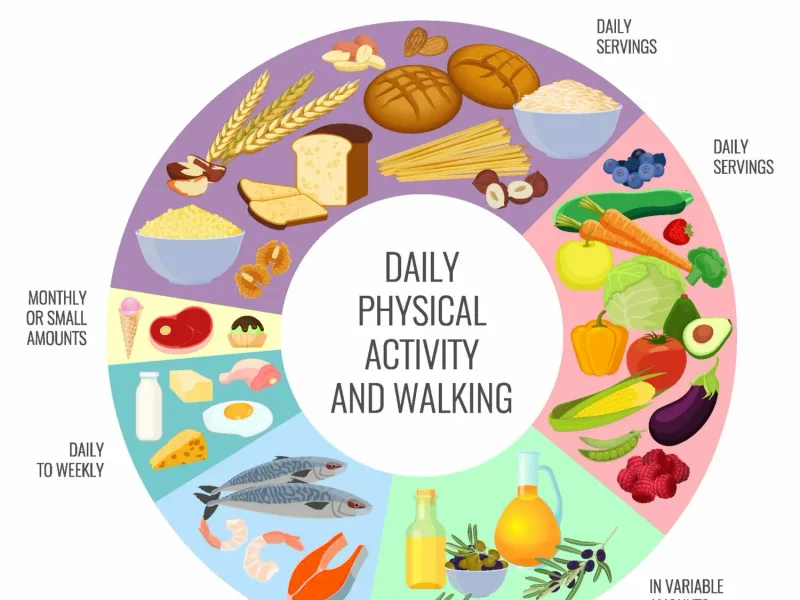
Diet and lifestyle are cornerstones of diabetes management, regardless of the type. A balanced diet rich in whole grains, lean proteins, fruits, and vegetables is recommended.
Limiting processed foods, sugary drinks, and excessive carbohydrates helps maintain stable blood sugar levels. Regular physical activity also improves insulin sensitivity and helps manage weight.
Creating a Diabetes-Friendly Meal Plan
Working with a registered dietitian is highly beneficial. They can help create a personalized meal plan that considers your preferences, activity level, and medical needs. For instance, understanding portion control is as important as choosing the right foods. Many people in Siwan are adapting traditional recipes to be healthier.
Incorporating Exercise
Aim for at least 150 minutes of moderate-intensity aerobic activity per week. Examples include brisk walking, cycling, or swimming. Strength training exercises are also vital to build muscle mass, which helps boost glucose metabolism. Always consult your physician before starting a new exercise regimen.
Preventing Diabetes Complications
Preventing or delaying complications is a primary goal of diabetes approach. This involves regular screenings and diligent self-care.
Eye Care (Diabetic Retinopathy)
High blood sugar can damage the tiny blood vessels in the eyes. Regular eye check-ups with an ophthalmologist are essential. Early detection of diabetic retinopathy allows for timely approach, often preserving vision.
The numbers don't lie.
Kidney Health (Diabetic Nephropathy)
Diabetes is a leading cause of kidney disease. Monitoring kidney function through regular urine and blood tests is crucial. Managing blood pressure and blood sugar levels helps protect kidney health.
Foot Care
Nerve damage (neuropathy) and poor blood flow can lead to serious foot problems. Daily foot inspections for cuts, blisters, or sores are vital. Proper footwear and prompt attention to any issues can prevent infections and amputations. Specialists often refer to this as 'diabetic foot care'.
Heart Health
People with diabetes have a higher danger of heart disease and stroke. Managing blood pressure, cholesterol levels, and blood sugar is key. A heart-healthy diet and regular exercise further reduce danger. The American Heart Association (AHA) provides extensive guidelines on this.
The Human Element: Support and Hope
We often see patients struggling with the daily demands of diabetes management. It requires immense discipline and emotional resilience. Support groups and open communication with healthcare providers can be incredibly empowering. Remember, you are not alone in this journey.
Frequently Asked Questions
Can I eat rice if I have diabetes?
Yes, you can eat rice, but portion control is crucial. Opt for brown rice over white rice, as it has more fiber and a lower glycemic index. Monitor your blood sugar response after eating rice to understand its effect on you personally.
The numbers don't lie.
How often should I check my blood sugar?
The frequency of blood sugar checks depends on your type of diabetes, approach plan, and physician's recommendations. Generally, individuals on insulin may need to check multiple times a day, while others might check less frequently. Always follow your doctor's specific instructions.
What are the first signs of high blood sugar?
Early indicators of high blood sugar, or hyperglycemia, can include increased thirst, frequent urination, fatigue, and blurred vision. Unexplained weight loss can also be a sign. If you experience these, consult a doctor promptly.
Is diabetes curable?
Currently, there is no cure for diabetes, but it is a highly manageable concern. Through consistent care, lifestyle modifications, and regular medical care, people with diabetes can lead long, healthy, and active lives. The focus is on powerful management and preventing complications.
Always consult a qualified physician before making medical decisions.