Understanding Diabetes Management Centres in Sheohar
Diabetes is a chronic condition affecting millions. Managing it effectively requires consistent care and expert guidance. In Sheohar, dedicated diabetes management centres are emerging as vital hubs for those affected. These facilities offer specialized support to help people control their blood sugar levels and prevent complications.
A diabetes management centre provides a structured environment for ongoing care. You'll find a team of healthcare professionals dedicated to your well-being.
This team often includes endocrinologists (specialists in hormone disorders), dietitians, diabetes educators, and nurses. Their collective expertise ensures a holistic approach to your health.
Key Services Offered by Sheohar Diabetes Centres
What can you expect when you visit a specialized centre?
- Comprehensive Diagnosis and Assessment: Initial consultations involve thorough medical history reviews, physical examinations, and diagnostic tests like HbA1c (a measure of average blood sugar over 2-3 months) and fasting blood glucose levels. This detailed assessment forms the basis for a personalized care plan.
- Personalized Treatment Plans: Based on your assessment, a tailored approach is developed. This might include medication (like metformin or insulin), lifestyle modifications, and regular monitoring. The goal is always optimal glycemic control.
- Dietary Counselling: Nutrition makes a real difference. Expert dietitians assist create balanced meal plans, considering your individual needs, preferences, and cultural dietary habits common in regions like Bihar. They focus on managing carbohydrate intake and promoting healthy food choices.
- Diabetes Education Programs: Understanding your problem is empowering. These centres offer educational sessions on self-monitoring of blood glucose (SMBG), insulin administration techniques, foot care, and recognizing the signs of hypo- and hyperglycemia (low and high blood sugar).
- Lifestyle Modification Support: Beyond diet, exercise and stress management are key. Professionals guide you on incorporating physical activity safely and developing coping mechanisms for stress, which can significantly impact blood sugar.
- Complication Screening and Management: Regular screenings for frequent diabetes-related complications—such as retinopathy (eye damage), nephropathy (kidney damage), and neuropathy (nerve damage)—are vital. Early detection enables timely intervention.
- Psychological Support: Living with a chronic illness can be challenging. Many centres offer counselling or connect you with support groups, acknowledging that mental well-being is as crucial as physical health.
Why Choose a Specialized Centre?
In real-world terms, managing diabetes is a marathon, not a sprint. While primary care physicians offer essential support, specialized centres provide a depth of expertise and a multidisciplinary team focused solely on diabetes. This concentrated knowledge base can lead to more refined intervention strategies and better outcomes.
You'll notice that these centres often have access to the latest diagnostic tools and care protocols, adhering to guidelines set by international bodies like the World Health Organization (WHO) and national institutions such as the Indian Council of Medical Research (ICMR). The coordinated care ensures that all aspects of your health are addressed efficiently.
How serious is this really? Untreated or poorly managed diabetes can lead to severe health issues affecting the heart, kidneys, eyes, and nerves.
Finding the Right Diabetes Centre in Sheohar
When selecting a centre, consider the following factors:
- Physician Credentials: Look for endocrinologists or physicians with specialized training in diabetes care. Institutions like AIIMS often set benchmarks for such expertise.
- Range of Services: Ensure the centre offers comprehensive services, including education and nutritional support, not just medication management.
- Patient Testimonials: Positive feedback from other patients can be a reliable indicator of quality care.
- Accessibility and Location: The centre should be reasonably accessible for regular follow-up appointments.
Many of us have family members or friends who have navigated the complexities of diabetes. We understand the anxieties and the need for dependable support. A good diabetes management centre acts as a trusted partner in this journey.
It sounds simple. It rarely is.
The Importance of Regular Monitoring and Follow-up
Consistent monitoring is the cornerstone of effective diabetes management. This includes regular self-monitoring of blood glucose levels at home and periodic check-ups at the centre. What should you actually do? You should diligently follow the schedule of tests and appointments recommended by your healthcare provider.
These follow-up visits allow your physician to assess the effectiveness of your current management plan. Adjustments can be made based on your blood glucose readings, lifestyle changes, and any emerging health concerns.
This proactive approach helps prevent long-term complications and enhances your quality of life. For instance, consistent monitoring can enable prevent diabetic foot ulcers, a widespread and potentially debilitating issue.
Dietary Approaches for Diabetes Management
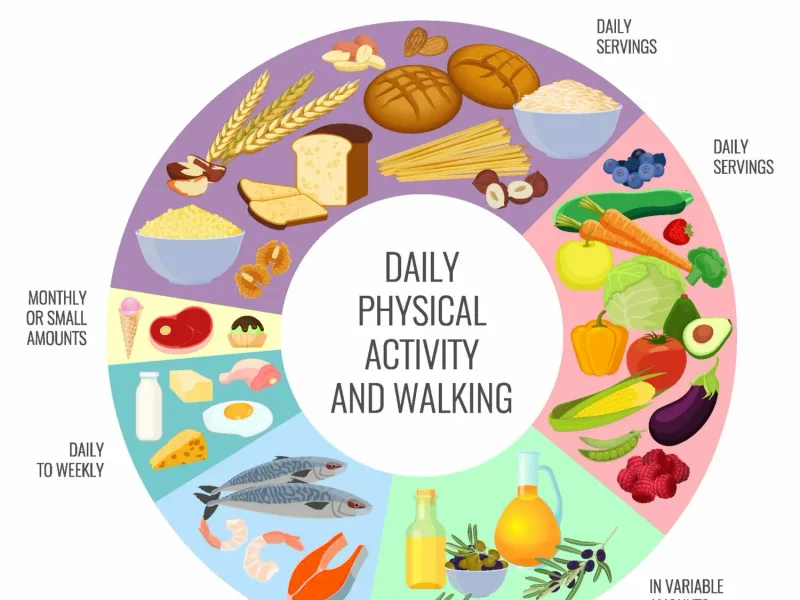
Nutrition is a vital pillar supporting any diabetes management strategy. In Sheohar, as elsewhere in India, traditional diets often include rice and wheat-based staples. The key is moderation and smart choices.
That's the part worth remembering.
Glycemic Index (GI): Understanding the GI of foods can be helpful. Foods with a lower GI release sugar into the bloodstream more slowly. Opting for whole grains, legumes, and non-starchy vegetables is generally recommended.
Portion Control: Even healthy foods can raise blood sugar if consumed in large quantities. Learning appropriate portion sizes is crucial. A dietitian can provide visual aids and practical tips.
Balanced Meals: Aim for meals that include a balance of carbohydrates, lean protein, and healthy fats. This combination helps stabilize blood sugar levels and promotes satiety. For example, a meal could consist of roti (whole wheat), dal (lentils), sabzi (vegetable curry), and a small portion of curd.
Hydration: Drinking plenty of water is essential. Avoid sugary drinks like sodas and sweetened juices, which can cause rapid spikes in blood glucose.
The Role of Physical Activity
Regular physical activity is another impactful element in controlling diabetes. It helps your body use insulin more effectively and lowers blood glucose levels. Aim for at least 150 minutes of moderate-intensity aerobic activity per week, such as brisk walking, cycling, or swimming. Strength training exercises are also beneficial.
Before starting any new exercise regimen, it is vital to consult your doctor. They can assist you choose activities that are safe and suitable for your situation, considering any existing complications. Living with this is genuinely hard, but incorporating exercise can significantly boost your energy levels and improve your mood.
Technological Advancements in Diabetes Care
Modern technology offers powerful tools for diabetes management. Continuous Glucose Monitoring (CGM) systems provide real-time data on blood sugar fluctuations, enabling more precise adjustments to diet and medication. Insulin pumps deliver insulin continuously, mimicking the pancreas’s function more closely.
While these technologies may not be universally available in all centres in Sheohar yet, their increasing adoption promises more sophisticated and personalized care. Staying informed about these advancements can empower you to discuss options with your healthcare provider.
The numbers don't lie.
Prevention and Early Detection
While this article focuses on management, it's important to remember prevention. Lifestyle changes can prevent or delay the onset of type 2 diabetes. Regular health check-ups are crucial for early detection, especially if you have risk factors like a family history of diabetes, obesity, or a sedentary lifestyle.
The collective efforts of healthcare providers, sufferers, and the community are vital. By seeking specialized care at a diabetes management centre in Sheohar, you take a proactive step towards a healthier future. This commitment to your well-being is commendable.
Frequently Asked Questions
Can I eat rice if I have diabetes?
Yes, you can eat rice, but portion control is key. Opt for brown rice over white rice, as it has a lower glycemic index and more fiber. Consult a dietitian to determine the appropriate serving size for your meal plan.
How often should I check my blood sugar?
The frequency of blood sugar monitoring depends on your individual intervention plan. Your doctor or diabetes educator will advise you on how often to check, which might range from multiple times a day to a few times a week. It's crucial to follow their specific recommendations.
And yet, so many people miss it.
What are the first signs of diabetic complications?
Early signs can be subtle and may include increased thirst, frequent urination, unexplained weight loss, fatigue, blurred vision, slow-healing sores, and tingling or numbness in the hands or feet. Regular screenings at a diabetes management centre benefit detect these complications early.
Is there a cure for diabetes?
Currently, there is no cure for diabetes, but it is a highly manageable disorder. With proper management through diet, exercise, medication, and regular medical care, individuals can lead long, healthy lives and prevent or delay complications. The focus remains on successful control and maintaining a good quality of life.
Always consult a qualified physician before making medical decisions.