Your Path to Parenthood: Selecting a Reproductive Health Center in Munger
Initiating the process of establishing or enlarging a family often involves significant emotional investment. When conception proves difficult, obtaining specialized support becomes a crucial action. Within Munger, numerous reputable reproductive health centers specialize in offering advanced technologies and empathetic support. The emotional strain associated with the inability to conceive is a reality many individuals or couples have encountered or heard about.
Exploring Reproductive Assistance Options
The World Health Organization (WHO) defines the inability to conceive as failing to achieve a clinical pregnancy following 12 months or more of regular, unprotected sexual intercourse. Globally, this condition impacts millions of individuals. Fortunately, contemporary healthcare offers a variety of solutions.
Assisted Reproductive Technologies (ART)
Assisted Reproductive Technologies, or ART, encompass a category of clinical interventions designed to address challenges with conception. Through these therapies, eggs and sperm are managed externally to facilitate gestation. Essentially, ART provides a structured approach when natural conception presents difficulties.
- In Vitro Fertilization (IVF): Among ART methods, this is widely recognized. The process entails fertilizing an egg with sperm in a laboratory setting, after which the developing embryo is implanted into the uterus.
- Intracytoplasmic Sperm Injection (ICSI): Frequently employed alongside IVF, ICSI entails directly injecting a single sperm into an egg. For instances of male factor subfertility, this approach is notably beneficial.
- Intrauterine Insemination (IUI): This less complex intervention involves depositing sperm directly into the uterus proximate to ovulation. For specific forms of conception challenges, it frequently serves as an initial strategy.
Selecting a Reproductive Health Center
The selection of an appropriate center is pivotal for achieving positive outcomes. Numerous elements influence the efficacy of such a center.
Expertise and Experience
Prioritize centers employing board-certified reproductive endocrinologists and seasoned embryologists. Such specialists hold the profound expertise necessary for intricate scenarios. Demonstrated favorable results, frequently reported by bodies such as the Indian Council of Medical Research (ICMR), signify a center's proficiency.
Advanced Technology and Facilities
A prominent reproductive health center employs cutting-edge equipment and upholds rigorous laboratory protocols. Such practices guarantee superior quality in interventions such as embryo culture and cryopreservation (the freezing of eggs or sperm). The dependability of technology directly influences the probability of a positive conclusion.
That alone changes everything.
Personalized Care and Support
The emotional dimension of reproductive care is substantial. Leading centers provide extensive assistance, encompassing counseling and transparent communication.
Individualized care strategies are customized to a patient's specific health background and requirements. Navigating these challenges is difficult, and compassionate assistance proves invaluable.
Outcome Rates and Transparency
Patients should ascertain the center's outcome rates for interventions pertinent to their circumstances. Clarity concerning expenses, efficacy benchmarks, and inherent risks holds paramount importance. Distinguished centers are typically forthcoming with such data.
Reproductive Health Centers in Munger: An Overview
Munger hosts various establishments offering high-quality reproductive support. Although individual names may differ, the fundamental criteria for choosing one persist. With commitment, these facilities endeavor to assist individuals and couples throughout their path to parenthood.
Common Reproductive Concerns Addressed
- Unexplained inability to conceive
- Polycystic Ovary Syndrome (PCOS)
- Endometriosis
- Male factor subfertility (low sperm count, poor motility)
- Age-related decline in reproductive capacity
- Recurrent pregnancy loss
The Patient Experience
Individuals who have pursued reproductive assistance frequently characterize the experience as emotionally taxing yet ultimately gratifying. For example, a patient may recount how consistent support from nursing personnel at their Munger center facilitated navigating anxious intervals between interventions.
Such personalized engagement holds immense value.
Preparing for Your Consultation
before the initial appointment, compile your health records, encompassing any prior reproductive assessments or therapies. Document any inquiries and apprehensions. Such preliminary work fosters a more fruitful dialogue with the specialist.
And yet, so many people miss it.
What to Expect During Your Initial Visit
The initial consultation usually entails a comprehensive review of your health background. Clinicians will probably perform a physical assessment and might request preliminary diagnostic tests.
Among these tests could be blood work for hormone level evaluation and semen analysis for male those affected. Establishing a baseline health status is fundamental to developing an effective care strategy.
Conclusion: Proceeding Forward
Identifying a reproductive health center in Munger involves securing a collaborator in the pursuit of family building. Given the array of advanced choices, optimism is warranted.
Specialists are prepared to deliver optimal support and enhance the likelihood of a positive gestational outcome. It is important to recognize that seeking assistance signifies resilience.
Frequently Asked Questions
Can a regular diet be maintained during reproductive assistance?
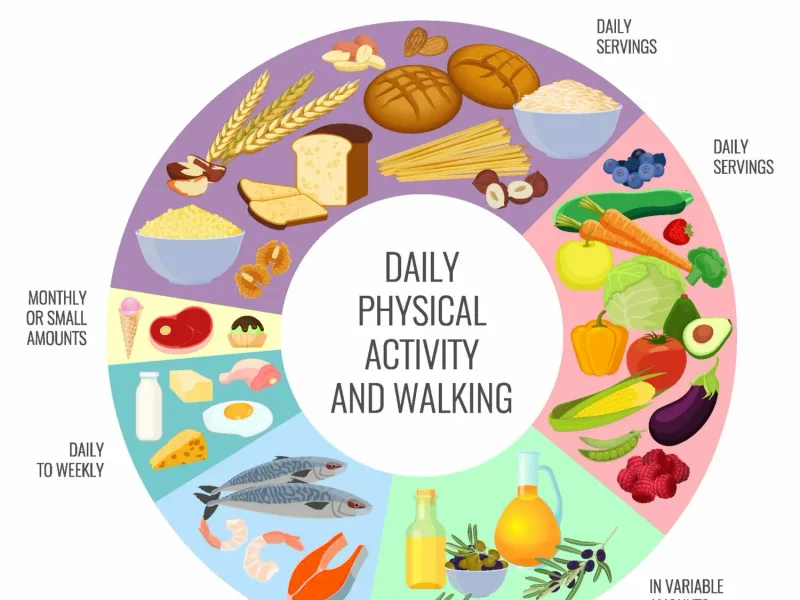
Maintaining a balanced diet is essential for general well-being and can beneficially influence reproductive capacity. Although precise dietary advice might differ depending on individual issue and therapy, generally, it is recommended to limit highly processed foods and prioritize whole grains, fruits, and vegetables.
Consult with your reproductive specialist regarding your dietary choices.
What is the duration of a typical IVF cycle?
A typical IVF cycle generally extends for approximately six to eight weeks, commencing with ovarian stimulation and concluding with embryo transfer. This timeframe encompasses medication regimens, egg retrieval, laboratory fertilization, and then, the transfer of the embryo into the uterus.
Individual responses to therapy may cause slight variations in the precise duration.
What are the outcome rates for reproductive assistance?
Outcome rates differ considerably, influenced by elements such as age, the underlying reason for conception difficulties, and the particular therapy employed. Centers typically disclose outcome rates either per cycle or per embryo transfer. those affected should engage in