Expert Bone Specialists in Motihari for Musculoskeletal Health
Finding the right bone specialist, or orthopedic doctor, in Motihari is crucial for managing many kinds of conditions. These specialists focus on the musculoskeletal system — your bones, joints, ligaments, tendons, and muscles. Whether you're dealing with a sudden injury or a chronic condition, seeking expert care can significantly enhance your quality of life. Honestly, navigating healthcare options can feel overwhelming, but understanding what to look for makes the process smoother.
Understanding Orthopedic Care
Orthopedic physicians diagnose and treat conditions affecting mobility and physical function. Their expertise covers everything from common issues like back pain and arthritis to complex fractures and sports injuries. The reality is, a healthy musculoskeletal system is vital for daily activities, from walking to working.
What should you actually do when experiencing persistent bone or joint pain? Consulting a specialist is the first step toward effective management and recovery.
usual Reasons to See a Bone Specialist
People often seek orthopedic care for various reasons. Here are some key indicators that you might need to consult a bone specialist:
- Persistent Joint Pain: Chronic pain in your knees, hips, shoulders, or other joints that doesn't improve with rest or over-the-counter medication.
- Sudden Injuries: Acute pain, swelling, or inability to move a limb after an accident or fall, potentially indicating a fracture or dislocation.
- Arthritis: Both osteoarthritis (wear-and-tear) and rheumatoid arthritis (autoimmune) can cause significant joint inflammation and stiffness.
- Back and Neck Pain: Chronic or severe pain in the spine that may radiate to other body parts.
- Sports Injuries: Ligament tears (like ACL), muscle strains, tendonitis, and other injuries sustained during physical activity.
- Bone Deformities: Conditions like scoliosis (curved spine) or congenital abnormalities requiring specialized management.
- Osteoporosis: A problem where bones become weak and brittle, increasing the risk of fractures.
Worth knowing: Early diagnosis and intervention are key to preventing long-term damage and disability.
When to Seek Immediate Care
Some situations require urgent attention from a bone specialist or emergency services:
- Open fractures (where bone protrudes through the skin).
- Severe deformities suggesting a marked dislocation or fracture.
- Inability to bear weight on a limb after an injury.
- Signs of infection around an injury, such as redness, warmth, or pus.
But why does this happen? These are often signs of severe trauma that needs immediate medical assessment to prevent complications like infection or permanent nerve damage.
Finding a Reputable Bone Specialist in Motihari
When searching for an orthopedic doctor in Motihari, consider these factors:
- Qualifications and Experience: Look for board-certified orthopedic surgeons with specific experience in your disorder. Many specialists focus on particular areas, like joint replacements or spine surgery.
- Hospital Affiliations: Check if the doctor is affiliated with reputable local hospitals in Motihari. This ensures access to necessary facilities and a supportive care network. Institutions like AIIMS (All India Institute of Medical Sciences) set high standards for medical training and practice.
- Patient Reviews and Testimonials: Online reviews can offer insights into other patients' experiences with the doctor's approach, communication style, and the effectiveness of their treatments.
- Referrals: Your primary care physician can often provide a referral to a trusted orthopedic specialist in the area.
- Communication Style: Choose a doctor who listens attentively, explains conditions clearly, and involves you in treatment decisions. A good rapport is vital for successful long-term care.
In many cases, a combination of these factors will lead you to the best specialist for your needs.
typical Treatments Offered by Orthopedic Specialists
Orthopedic doctors employ a range of approaches to help people affected by musculoskeletal issues. Therapy often begins with conservative methods before considering surgical interventions.
- Medications: Pain relievers, anti-inflammatories, and specific drugs to manage conditions like osteoporosis.
- Physical Therapy: Essential for rehabilitation after surgery or injury, helping to restore strength, flexibility, and function. A physiotherapist works closely with the orthopedic specialist.
- Injections: Corticosteroid injections can reduce inflammation in joints. Other injections might deliver hyaluronic acid for osteoarthritis.
- Bracing and Splinting: Used to support injured areas, immobilize fractures, or correct deformities.
- Surgical Procedures: This includes joint replacement (hip, knee), arthroscopy (minimally invasive joint surgery), fracture repair (using plates, screws, or rods), and spinal surgery.
The approach chosen depends heavily on the specific diagnosis, the severity of the issue, and the patient's overall health. The World Health Organization (WHO) emphasizes patient-centered care, meaning your preferences and goals are considered.
Living with Musculoskeletal Conditions
Living with conditions like arthritis or chronic back pain is genuinely hard. It can impact your daily routines, work, and overall well-being. However, with the right support and care plan from a skilled bone specialist in Motihari, many people can significantly elevate their mobility and reduce discomfort. Think of it like tending to a stubborn plant; consistent, correct care helps it thrive.
We often see people who delay seeking aid, only to find their disorder becomes more challenging to manage. Don't let pain dictate your life.
The Role of Lifestyle in Bone Health
Beyond medical treatments, lifestyle choices play a vital role in maintaining bone health and supporting recovery. Physicians often advise on:
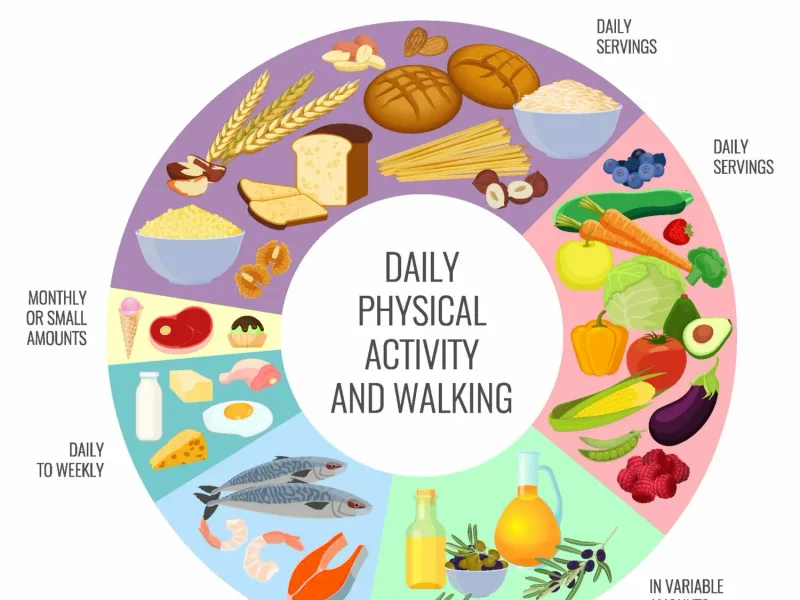
- Nutrition: Adequate intake of calcium and Vitamin D is fundamental for strong bones. Foods like dairy products, leafy greens, and fortified cereals are excellent sources.
- Exercise: Regular, weight-bearing exercises (like walking or jogging) and strength training assist maintain bone density and muscle strength. However, always consult your doctor before starting a new exercise regimen, especially if you have an existing issue.
- Avoiding Smoking and Excessive Alcohol: These habits can negatively impact bone density and healing processes.
- Maintaining a Healthy Weight: Excess weight puts added stress on joints, particularly the hips and knees.
These simple steps, when integrated consistently, can make a substantial difference. The Indian Council of Medical Research (ICMR) provides guidelines on nutrition that are beneficial for all age groups.
Choosing the Right Specialist for You
Selecting an orthopedic doctor is a personal decision. You want someone with the technical expertise to diagnose and treat your disorder effectively, but also someone who communicates with empathy. A good relationship with your physician fosters trust and adherence to approach plans.
Remember, your bones and joints are the framework that supports your active life. Investing time in finding the right specialist in Motihari is an investment in your long-term health and well-being. Many specialists, like those recognized by national medical bodies, are committed to providing reliable and impactful care.
Always consult a qualified physician before making medical decisions.
Frequently Asked Questions
Can I eat rice if I have arthritis?
Generally, consuming rice in moderation is acceptable for individuals with arthritis. While some believe certain foods can trigger inflammation, there's limited scientific evidence directly linking rice to arthritis flare-ups for most people.
Focus on a balanced diet rich in fruits, vegetables, and lean proteins, and consult your doctor or a nutritionist for personalized advice.
How do I know if I have a fractured bone?
Signs of a fractured bone often include sudden, severe pain at the injury site, swelling, bruising, and an inability to move or bear weight on the affected limb. You might also notice a visible deformity or hear a snapping sound at the time of injury. If you suspect a fracture, seek immediate medical attention from an orthopedic specialist.
What is the difference between an orthopedic doctor and a physiotherapist?
An orthopedic doctor is a medical physician specializing in diagnosing and treating bone, joint, and muscle conditions, often performing surgery. A physiotherapist, on the other hand, is a healthcare professional who helps individuals recover from injuries, illnesses, and disabilities through exercise, manual therapy, and other physical methods.
They work collaboratively to ensure optimal patient recovery.
Is surgery always necessary for a torn ligament?
Not always. The necessity of surgery for a torn ligament depends on the severity of the tear, the specific ligament involved, and your activity level.
For some tears, especially partial ones, non-surgical approach involving rest, physical therapy, and bracing can be highly successful. Your orthopedic specialist will assess your situation and recommend the most suitable approach.
That alone changes everything.