Navigating Diabetes Care in Saharsa: Finding Your Specialist
Managing diabetes requires dedicated care. Finding the right physician is crucial for effective treatment. In Saharsa, numerous specialists offer expert guidance.
Understanding Diabetes: The Basics
Diabetes mellitus is a chronic condition affecting how your body turns food into energy. Your pancreas produces insulin, a hormone that allows sugar (glucose) from food to enter your cells for energy. In diabetes, either the pancreas doesn't produce enough insulin, or your body can't use the insulin it makes effectively.
This leads to excess sugar circulating in the bloodstream. Over time, this can cause serious health problems. These include heart disease, kidney damage, nerve damage, and vision loss. The reality is, uncontrolled diabetes impacts nearly every organ system.
Types of Diabetes
- Type 1 Diabetes: An autoimmune disorder where the body's immune system attacks and destroys insulin-producing cells in the pancreas. It often begins in childhood or adolescence.
- Type 2 Diabetes: The most common form, where the body either doesn't produce enough insulin or the cells resist insulin's effects (insulin resistance). Lifestyle factors play a significant role.
- Gestational Diabetes: Develops during pregnancy and usually disappears after the baby is born. It increases risks for both mother and child.
Why You Need a Specialist for Sugar approach
While your general physician can offer initial advice, managing diabetes effectively often necessitates a specialist. These physicians possess in-depth knowledge of hormonal disorders and metabolic conditions.
What most people miss: a diabetes specialist can tailor a intervention plan specifically to your needs. They consider your age, overall health, lifestyle, and the specific type and severity of your diabetes. This personalized approach is vital for optimal outcomes.
Here's where it gets interesting.
The Role of an Endocrinologist
Endocrinologists are physicians who specialize in the endocrine system, which produces hormones. Diabetes is a primary focus for many endocrinologists. They are experts in diagnosing and managing complex hormonal imbalances.
These specialists are trained to use the latest diagnostic tools and therapeutic advancements. They can help manage complications and fine-tune medication regimens. Their expertise ensures that patients receive the most current and impactful care available.
Finding a Sugar care Doctor in Saharsa
Locating a qualified physician in Saharsa is the first step towards better diabetes management. Several avenues can assist you in this search.
Referrals and Recommendations
Your primary care doctor is often the best starting point. They can provide referrals to endocrinologists or diabetologists they trust. Word-of-mouth recommendations from friends or family who manage diabetes can also be invaluable.
In real-world terms, personal experiences shared by others can offer insights into a doctor's bedside manner and intervention effectiveness. Ask about their approach to patient education and support.
Online Health Platforms and Directories
Several online platforms list healthcare providers, including specialists in Saharsa. Doctar, India's leading healthcare platform, allows you to search for doctors based on specialty, location, and patient reviews. You can often view doctor profiles, qualifications, and available appointment slots.
This is where most those affected struggle.
Here's the thing — using these platforms can streamline your search process significantly. Look for specialists with specific experience in managing your type of diabetes.
Hospital Affiliations
Many reputable hospitals in Saharsa have endocrinology departments or affiliated specialists. Checking the websites of major hospitals like Sadar Hospital or local private medical centers can benefit you identify potential specialists. These institutions often have stringent vetting processes for their medical staff.
What to Look for in a Diabetes Specialist
Choosing the right doctor is a notable decision. Several factors contribute to finding a physician who is a good fit for your healthcare needs.
Qualifications and Experience
Ensure the doctor is board-certified in endocrinology or internal medicine with a specialization in diabetes. Check their years of experience and any specific areas of expertise (e.g., pediatric diabetes, insulin pump therapy).
Look for credentials from recognized institutions. The All India Institute of Medical Sciences (AIIMS) and other leading medical colleges train many of India's top specialists.
Communication Style
A good doctor listens attentively and explains complex medical information clearly. You should feel comfortable asking questions and discussing your concerns openly. How serious is this really? Your ability to understand and follow the approach plan depends on clear communication.
Approach to approach
The best physicians adopt a holistic approach. They consider not just medication but also diet, exercise, and mental well-being. Lifestyle modifications are key components of successful diabetes management, as recommended by the World Health Organization (WHO).
This is where most people struggle.
An successful approach involves patient education and empowerment. The doctor should enable you be aware of your problem and how to manage it daily. This collaborative effort strengthens the patient-physician relationship.
The Diabetes Management Journey: intervention Approaches
Once you've found a specialist, they will develop a personalized care plan. This plan typically involves several components working together.
Lifestyle Modifications
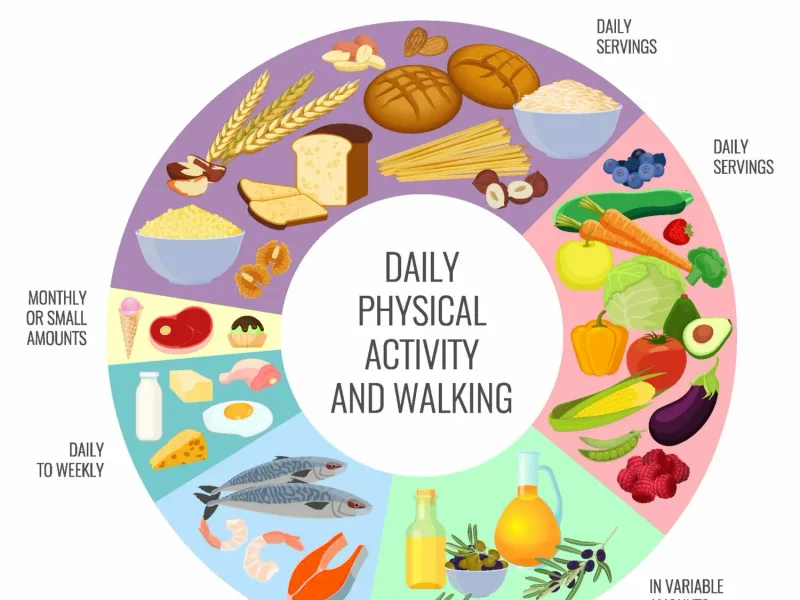
Diet and exercise are cornerstones of diabetes care. A balanced diet low in processed foods and high in fiber is recommended. Regular physical activity helps improve insulin sensitivity.
Many people find adopting these changes challenging. Living with this is genuinely hard. Think of it like adjusting your morning chai routine—small, consistent changes eventually become natural habits.
The Indian Council of Medical Research (ICMR) provides guidelines on dietary patterns suitable for the Indian population, emphasizing local, healthy food choices.
Medications
Depending on the type and severity of diabetes, your doctor may prescribe oral medications or insulin injections. Medications work in various ways: some increase insulin production, others boost insulin sensitivity, and some reduce glucose absorption.
Insulin therapy is vital for Type 1 diabetes and may be necessary for some Type 2 people. Modern insulin formulations are designed for convenience and efficacy. But why does this happen? The pancreas is not producing enough insulin, necessitating external supplementation.
And yet, so many people miss it.
Monitoring Blood Glucose Levels
Regularly checking your blood sugar levels is essential. This helps you and your doctor recognise how food, activity, and medication affect your glucose. Devices like glucometers (for finger-prick tests) and continuous glucose monitors (CGMs) are commonly used.
CGMs provide real-time data, showing trends and patterns. This information is invaluable for making timely adjustments to your care plan. The Lancet has published numerous studies highlighting the benefits of tight glucose control through consistent monitoring.
Education and Support
Understanding your concern empowers you to take control. Diabetes education programs teach you about nutrition, exercise, medication management, and preventing complications. Support groups provide emotional encouragement and practical advice.
Many hospitals and clinics in Saharsa offer these educational resources. Don't hesitate to ask your doctor about available programs. The journey of managing diabetes is easier when you have knowledge and support.
This is where most those affected struggle.
Living Well with Diabetes in Saharsa
Managing diabetes is a marathon, not a sprint. Finding a knowledgeable and compassionate sugar approach doctor in Saharsa is a vital step. Their expertise, combined with your commitment, can lead to a healthier, more fulfilling life.
Remember, proactive management and regular consultations are key. Embrace the support systems available and focus on making consistent, positive choices. Your health is your wealth, and taking charge is the most powerful step you can take.
Always consult a qualified physician before making medical decisions.
Frequently Asked Questions
Can I eat rice if I have diabetes?
Yes, you can eat rice in moderation if you have diabetes, but portion control is key. Opt for brown rice over white rice, as it has more fiber and a lower glycemic index. Monitor your blood sugar levels after eating rice to see how it affects you personally.
How often should I see a diabetes specialist?
Typically, you should see your diabetes specialist every three to six months for routine check-ups. However, this frequency can vary based on your concern's stability and any specific concerns. Your doctor will advise on the best schedule for you.
This is where most those affected struggle.
What are the early signs of diabetes complications?
Early signs can be subtle and include increased thirst, frequent urination, unexplained weight loss, fatigue, blurred vision, and slow-healing sores. Some people may also experience tingling or numbness in their hands or feet. Prompt medical attention is crucial if you notice any of these indicators.
Is gestational diabetes dangerous for my baby?
Gestational diabetes can increase risks for the baby, such as being born larger than average (macrosomia), leading to birth complications. It also raises the risk of the baby developing low blood sugar (hypoglycemia) shortly after birth and a higher chance of obesity and type 2 diabetes later in life.
Careful management under medical supervision is essential to minimize these risks.