Understanding Liver Health: When to See a Specialist in Munger
Your liver is a vital organ, performing over 500 crucial functions daily. From detoxifying your blood to producing bile for digestion, its role is indispensable. However, liver diseases can arise from various factors, including viral infections, excessive alcohol consumption, obesity, and genetic predispositions. Recognizing the signs and seeking timely care from a liver specialist in Munger is key to managing these conditions effectively. Doctar connects you with highly qualified hepatologists right here in Munger, ensuring you receive expert care close to home.
Who is a Liver Specialist (Hepatologist)?
A hepatologist is a medical doctor who specializes in the diagnosis, treatment, and management of diseases affecting the liver, gallbladder, bile ducts, and pancreas. While many general physicians can identify common liver issues, a hepatologist possesses advanced training and expertise in complex liver conditions.
They are the go-to specialists for ailments like hepatitis (A, B, C, D, E), cirrhosis, fatty liver disease, liver cancer, and autoimmune liver disorders. Finding such a specialist in Munger means accessing a higher level of care for your liver health.
usual Liver Conditions Treated by Specialists
We often see patients presenting with a range of liver issues. Understanding these conditions can empower you to seek appropriate medical attention:
Hepatitis
Hepatitis refers to inflammation of the liver. The most prevalent types are viral:
- Hepatitis A: Usually spread through contaminated food or water. It's typically a short-term illness.
- Hepatitis B: Transmitted through blood, semen, or other bodily fluids. It can become chronic.
- Hepatitis C: Primarily spread through infected blood. Chronic infection is frequent and can lead to serious liver damage.
- Hepatitis D and E: Less prevalent; Hepatitis D only occurs in those with Hepatitis B. Hepatitis E is often waterborne.
What most people miss is that early hepatitis infections might show mild or no symptoms, making regular check-ups vital.
Fatty Liver Disease
This condition involves the buildup of fat in the liver. It's increasingly frequent, especially with rising rates of obesity and diabetes. There are two main types:
- Non-alcoholic fatty liver disease (NAFLD): Not related to heavy alcohol use.
- Alcoholic fatty liver disease: Caused by excessive alcohol consumption.
Practically speaking, managing diet and weight is crucial for this issue.
Cirrhosis
Cirrhosis is severe scarring of the liver, often resulting from long-term liver damage (e.g., from chronic hepatitis or alcoholism). This scarring prevents the liver from functioning properly. It's a serious problem requiring expert management.
Liver Cancer
This can originate in the liver (primary) or spread from other parts of the body (secondary). Early detection significantly improves outcomes.
Alcoholic Liver Disease
Excessive alcohol intake can lead to a spectrum of liver damage, including fatty liver, alcoholic hepatitis, and cirrhosis. Limiting alcohol is the primary approach.
When Should You Consult a Liver Specialist in Munger?
Several signs and signs might indicate a need to see a hepatologist. Don't ignore these indicators:
- Persistent fatigue and weakness.
- Unexplained abdominal pain or swelling, particularly in the upper right quadrant.
- Jaundice: Yellowing of the skin and the whites of the eyes.
- Nausea or vomiting.
- Changes in urine color (dark) or stool color (pale).
- Loss of appetite or unintentional weight loss.
- Easy bruising or bleeding.
- Itchy skin (pruritus).
Worth knowing: Some liver conditions develop silently over years. If you have risk factors like a family history, heavy alcohol use, diabetes, or are taking certain medications, regular screening is advisable. What's the bottom line here? Proactive health monitoring is essential.
The numbers don't lie.
Finding the Right Liver Specialist in Munger
Choosing the right doctor is paramount for effective intervention. When searching for a liver specialist in Munger, consider these factors:
- Qualifications and Experience: Look for board-certified hepatologists or gastroenterologists with a specific focus on liver diseases. Check their years of experience and any specialized training. Institutions like AIIMS often train top specialists.
- Hospital Affiliation: Ensure the doctor practices at a reputable hospital or clinic in Munger equipped to handle liver-related emergencies and procedures.
- Patient Reviews and Testimonials: Online reviews can offer insights into a doctor's bedside manner and the overall patient experience. Doctar aggregates verified patient feedback.
- Communication Style: A good doctor explains complex medical information clearly and listens to your concerns.
In real-world terms, finding a doctor you trust can significantly ease the stress of managing a health disorder. Doctar simplifies this search by providing verified profiles of specialists in Munger.
The Role of Diagnostics and management Approaches
Accurate diagnosis is the first step towards successful liver care. Specialists use a range of diagnostic tools:
- Blood Tests: Liver function tests (LFTs) help assess liver health and detect abnormalities. Specific tests can identify viral markers or antibodies.
- Imaging Studies: Ultrasound, CT scans, and MRI provide detailed images of the liver, helping to identify structural changes, tumors, or blockages.
- Biopsy: In some cases, a small sample of liver tissue is taken for microscopic examination to determine the extent and type of disease.
Based on the diagnosis, management plans are tailored. These might include:
- Medications: Antivirals for hepatitis, immunosuppressants for autoimmune diseases, or medications to manage complications.
- Lifestyle Modifications: Crucial for conditions like fatty liver and alcoholic liver disease. This includes dietary changes, weight management, and alcohol cessation. Adhering to WHO guidelines on nutrition can be very helpful.
- Procedures: Such as endoscopy for variceal bleeding or paracentesis for fluid removal.
- Liver Transplant: For end-stage liver disease, a transplant may be the only option. This is a complex procedure requiring extensive evaluation and is usually performed at specialized centers.
What should you actually do? Discuss all available options with your specialist to understand the benefits and risks.
Doctar: Your Partner in Liver Health in Munger
Navigating healthcare can be challenging, especially when dealing with specific health concerns. Doctar aims to simplify your journey. We provide a platform to easily find and connect with experienced liver specialists in Munger.
- Verified Profiles: Access detailed information about doctors' qualifications, experience, and areas of expertise.
- Easy Appointment Booking: Schedule your consultation online in just a few clicks.
- Patient Reviews: Make informed decisions with insights from other sufferers.
- Teleconsultation Options: For initial consultations or follow-ups, explore virtual appointments where available.
Living with a chronic liver disorder is genuinely hard, and having reliable access to expert medical care makes a significant difference. We believe in empowering individuals to take charge of their health. Just like ensuring your home's foundation is strong, maintaining liver health is vital for overall well-being.
Frequently Asked Questions
Can I drink tea if I have liver problems?
Generally, moderate consumption of plain tea (like green or black tea) is considered safe and may even offer some antioxidant benefits for the liver. However, avoid teas with added sugar, excessive milk, or unhealthy additions, as these can be detrimental. Always discuss your specific dietary concerns with your doctor.
What foods should I avoid with liver disease?
Individuals with liver disease are often advised to limit or avoid high-fat foods, fried items, processed meats, excessive salt, and added sugars. Alcohol should be completely avoided. Your doctor or a dietitian can provide a personalized diet plan based on your situation's specifics.
And yet, so many people miss it.
How can I improve my liver health naturally?
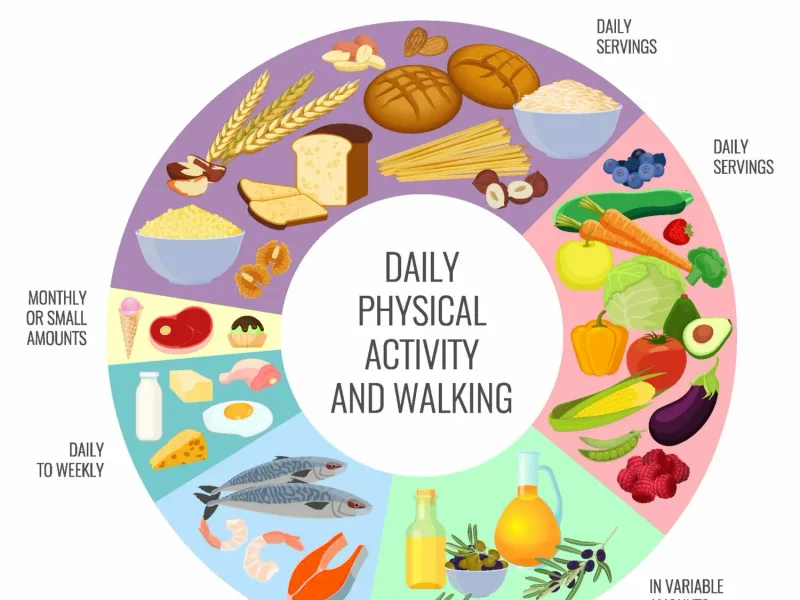
Improving liver health naturally involves a healthy lifestyle: maintain a balanced diet rich in fruits, vegetables, and whole grains; engage in regular physical activity; achieve and maintain a healthy weight; avoid alcohol and unnecessary medications; and stay hydrated. While these steps support liver function, they do not replace medical intervention for diagnosed liver diseases.
Is fatty liver reversible?
Non-alcoholic fatty liver disease (NAFLD) can often be reversed or significantly improved, especially in its earlier stages (steatosis). Lifestyle changes, including weight loss, regular exercise, and a healthy diet, are the cornerstones of management and can lead to a reduction in liver fat and inflammation. Early intervention is key.
Always consult a qualified physician before making medical decisions.