Understanding Fractures: A Common Injury
A fracture, simply put, is a broken bone. This can range from a tiny crack to a complete break where the bone is in multiple pieces. We often see these injuries result from accidents, falls, or sports-related incidents. In Chhapra, like anywhere else, prompt and proper care is vital for a good recovery.
The reality is, bone fractures can be incredibly painful and debilitating. Living with this is genuinely hard. When a bone breaks, the surrounding tissues, nerves, and blood vessels can also be affected. This underscores the need for immediate medical attention.
typical Causes of Fractures in Chhapra
Accidents are the primary culprit behind most fractures. Road traffic accidents, especially widespread on our busy roads, frequently lead to severe injuries. Falls, particularly among the elderly, also contribute significantly.
Sports injuries, whether in local playgrounds or organized events, can result in bone breaks too. Even simple activities, if performed incorrectly or under unusual stress, can cause a fracture.
Types of Fractures
Fractures are classified based on several factors:
- By Severity: A closed fracture means the skin is intact. In an open fracture (or compound fracture), the bone pierces the skin, increasing infection risk.
- By Break Pattern: widespread types include transverse (straight across), oblique (angled), spiral (twisting), and comminuted (bone in three or more pieces).
- By Cause: Traumatic fractures result from sudden impact. Stress fractures develop from repetitive force over time, often seen in athletes.
Diagnosing Bone Fractures in Chhapra
Accurate diagnosis is the first crucial step in fracture treatment. Physicians in Chhapra employ a systematic approach.
Physical Examination
A specialist will first assess the injured area. They check for swelling, bruising, deformity, and tenderness. The physician also evaluates the limb's range of motion and checks for pulses and sensation to rule out nerve or blood vessel damage.
This is where most patients struggle.
Imaging Techniques
X-rays are the standard diagnostic tool. They provide clear images of the bone, allowing doctors to identify the fracture's location and type. In some complex cases, specialists might order a CT scan or an MRI. These provide more detailed views of the bone and surrounding soft tissues, which can be vital for intricate breaks or associated injuries.
Fracture care Options Available in Chhapra
therapy aims to realign the broken bone fragments and keep them stable until they heal. The specific approach depends on the fracture's type, location, and severity. Many reliable options are available through Chhapra's healthcare facilities.
Non-Surgical Treatments
For many simple fractures, non-surgical methods are sufficient. These include:
- Casting: A plaster or fiberglass cast immobilizes the broken bone, holding the fragments in place while healing occurs. This is a usual and effective method.
- Splinting: A splint provides support but allows for some swelling. It's often used initially before a cast is applied.
- Bracing: Braces offer support and controlled movement for certain types of fractures, often used later in the healing process.
- Traction: This involves using weights, pulleys, and ropes to apply a continuous pull on the fractured bone. It helps to align the bone and relax muscles.
What most people miss is that even non-surgical treatments require strict adherence to the doctor's instructions for optimal results.
Surgical Interventions
When fractures are severe, displaced, or open, surgery might be necessary. Orthopedic surgeons in Chhapra perform these procedures to ensure proper alignment and stability.
- Open Reduction and Internal Fixation (ORIF): This is a usual surgical approach. Surgeons realign the bone fragments directly (open reduction) and then use special hardware like screws, plates, rods, or pins to hold them together internally (internal fixation).
- External Fixation: In cases of severe open fractures or significant soft tissue damage, an external fixator might be used. This involves pins or screws inserted into the bone above and below the fracture site, connected to a metal frame outside the body. This stabilizes the bone while allowing access to treat soft tissues.
The Role of Specialists in Chhapra
Expertise is paramount when dealing with bone injuries. Orthopedic specialists are physicians specifically trained to diagnose and treat conditions affecting bones, joints, ligaments, and tendons.
These specialists in Chhapra are equipped with the latest knowledge and techniques. They follow established clinical guidelines, such as those recommended by the Indian Orthopaedic Association (IOA) or international bodies like the American Academy of Orthopaedic Surgeons (AAOS), to ensure the best possible outcomes for those affected.
Is there a better way than relying on experienced hands? Probably not For complex fractures.
Recovery and Rehabilitation
Healing a fracture is a marathon, not a sprint. It requires patience and a structured rehabilitation plan. The goal is to restore strength, flexibility, and function to the injured limb.
Pain Management
Pain management is a vital aspect of recovery. Physicians will prescribe appropriate pain relievers. It’s essential to take them as directed to stay comfortable and facilitate healing.
Physical Therapy
Once the bone has stabilized sufficiently, physical therapy becomes crucial. A physiotherapist will guide you through specific exercises designed to:
- Regain range of motion in the affected joint.
- Strengthen weakened muscles around the fracture site.
- Improve balance and coordination.
- Gradually return to normal activities.
Working closely with your therapist ensures a safer and more complete return to your daily routines, whether it's farming, working at the local market, or playing with your children.
Nutrition and Lifestyle
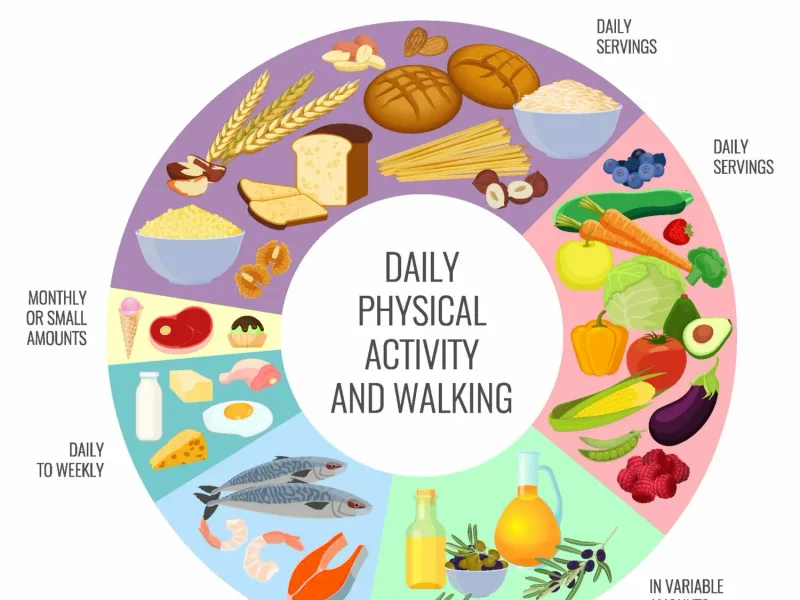
A balanced diet plays a supportive role in bone healing. Adequate intake of calcium and Vitamin D is essential for bone strength. Maintaining a healthy lifestyle, including avoiding smoking, can also boost the body's natural healing capabilities.
Most people overlook this completely.
When to Seek Emergency Care
Certain signs indicate a potential fracture and warrant immediate emergency medical attention:
- Severe pain that prevents movement.
- Obvious deformity of the limb.
- Inability to bear weight on the injured limb.
- Bone protruding through the skin (open fracture).
- Numbness or tingling in the limb below the injury.
- Excessive bleeding.
If you or someone you know experiences these indicators, do not delay seeking help from the nearest emergency facility in Chhapra.
Choosing the Right Healthcare Provider in Chhapra
Selecting the right hospital or clinic is key for impactful fracture management. Look for facilities with well-equipped orthopedic departments and experienced specialists. Patient reviews and the hospital's reputation can offer valuable insights.
The reality is, many people delay seeking approach due to fear or financial concerns. However, prompt intervention significantly improves the prognosis and reduces the danger of long-term complications.
Patient Experiences
Many individuals in Chhapra have successfully navigated fracture care. We've heard stories of people who, after a severe accident, received timely care at local hospitals.
Through diligent follow-up and dedicated physiotherapy, they have regained full mobility. One patient shared how the clear explanations from their doctor helped reduce their anxiety throughout the process.
Worth knowing: The support system around the affected person—family and friends—plays a vital role in emotional well-being during recovery.
Looking Ahead: Preventing Future Fractures
Prevention is always better than cure. While not all fractures are preventable, certain measures can reduce the possibility:
- Safety First: Be cautious during activities, especially those involving heights or speed. Use protective gear for sports.
- Bone Health: Maintain a diet rich in calcium and Vitamin D. Engage in regular, moderate exercise to keep bones strong.
- Fall Prevention: For older adults, home safety measures like removing trip hazards and installing grab bars can prevent falls.
By taking these proactive steps, individuals can significantly lower their chances of experiencing a fracture.
Frequently Asked Questions
How long does a bone fracture typically take to heal?
The healing time for a fracture varies greatly depending on the bone, the severity of the break, the patient's age, and overall health. Generally, simple fractures in adults can take 6 to 8 weeks to heal. More complex fractures may require several months.
And yet, so many people miss it.
Can I put weight on a fractured leg?
Whether you can put weight on a fractured leg depends entirely on the type and location of the fracture and your doctor's advice. Some fractures require complete non-weight-bearing for an extended period, while others may allow partial or progressive weight-bearing as healing progresses.
What are the long-term complications of untreated fractures?
Untreated fractures can lead to serious long-term complications. These include improper bone healing (malunion), non-healing of the bone (nonunion), chronic pain, stiffness, deformity, arthritis in nearby joints, and increased likelihood of re-injury. Early and appropriate therapy is crucial.
What is the best diet for bone fracture recovery?
A diet rich in calcium and Vitamin D is crucial for bone healing. Include dairy products, leafy green vegetables, and fortified foods. Protein is also vital for tissue repair. Ensure adequate hydration by drinking plenty of water.
Always consult a qualified physician before making medical decisions.