Understanding Bone Fractures: A Common Injury
A bone fracture, simply put, is a break in the bone. We often see these injuries resulting from falls, sports accidents, or vehicle collisions.
In India, road traffic accidents are a significant cause of trauma, leading to numerous fractures annually. Honestly, living with a fractured limb can be incredibly disruptive to daily life, impacting work, hobbies, and basic mobility.
Think about it this way: A bone is like a sturdy pillar supporting your body. When this pillar cracks or breaks, the entire structure is compromised. Recognizing the signs and understanding the treatment options available locally in Giridih is crucial for a swift and complete recovery.
typical Causes of Fractures
Fractures typically occur due to direct impact, falls, or repetitive stress. Sports injuries, particularly in activities like cricket or football, are frequent culprits.
Elderly individuals are more susceptible to hip fractures from simple falls due to conditions like osteoporosis, which weakens bones. India faces a high burden of trauma; the ICMR reports that injuries contribute significantly to mortality and morbidity across the country.
Signs and Symptoms of a Fracture
Identifying a fracture is often straightforward, but a medical diagnosis is always necessary. Key indicators include:
- Sudden, severe pain at the injury site.
- Swelling and bruising around the affected area.
- Deformity – the limb may look bent or out of place.
- Inability to move or bear weight on the injured limb.
- Sometimes, an open wound where bone fragments may protrude (an open or compound fracture).
What should you actually do if you suspect a fracture? Immobilize the injured area immediately to prevent further damage and seek medical attention promptly.
Diagnosis of Fractures in Giridih
When you visit a healthcare facility in Giridih with a suspected fracture, physicians will begin with a physical examination. They will assess the injured limb for pain, swelling, and deformity. Following this, diagnostic imaging is vital.
X-rays are the most frequent tool used to confirm a fracture, visualize its location, and determine its severity. In complex cases, CT (Computed Tomography) scans or MRI (Magnetic Resonance Imaging) may be employed to get a more detailed view of the bone and surrounding soft tissues. These imaging techniques allow specialists to plan the most appropriate course of approach.
Recovery is rarely linear.
Fracture intervention Options
The approach to treating a fracture depends on several factors: the type of fracture, its location, the severity, and the patient's overall health. Specialists in Giridih offer both non-surgical and surgical interventions.
Non-Surgical management
For stable, non-displaced fractures (where the bone fragments remain aligned), conservative methods are often effective. These include:
- Casting or Splinting: A plaster or fiberglass cast is applied to immobilize the broken bone, allowing it to heal in the correct position. Splints offer support but are less rigid than casts. The duration for casting varies, typically ranging from 4 to 8 weeks, but can be longer for complex breaks.
- Traction: In some cases, traction may be used. This involves using weights, pulleys, and ropes to gently pull on the bone, helping to align the fragments. It's less widespread now but still utilized for specific fracture types.
Worth knowing: Proper immobilization is key. If a cast feels too tight or causes numbness, it requires immediate attention from your physician.
Surgical intervention
Surgery becomes necessary when fractures are displaced (bone ends are out of alignment), unstable, involve joints, or are open fractures. The goal of surgery is to realign the bone fragments accurately and stabilize them to promote healing. prevalent surgical procedures include:
- Open Reduction and Internal Fixation (ORIF): This involves surgically exposing the fracture site, manually realigning the bone fragments (open reduction), and then securing them with metal plates, screws, rods, or wires (internal fixation). This approach provides strong stability, allowing for earlier mobilization.
- Intramedullary Nailing: A metal rod is inserted into the hollow center (marrow cavity) of the bone to stabilize it. This is frequently used for fractures of long bones like the femur (thigh bone) or tibia (shin bone).
- External Fixation: Pins or screws are inserted into the bone on either side of the fracture site and connected to a metal frame outside the body. This is often used for severe, complex, or open fractures where soft tissue damage is extensive.
In real-world terms, surgical intervention aims to restore the bone's anatomy as closely as possible, which is vital for long-term function.
Rehabilitation and Recovery
Healing a fracture is only part of the process. Robust rehabilitation is essential to regain strength, flexibility, and full function. Specialists in Giridih emphasize the importance of:
- Physical Therapy: Once the bone has sufficiently healed, a physiotherapist will guide you through exercises. These start with gentle range-of-motion movements and gradually progress to strengthening exercises. Adhering strictly to the physiotherapy plan is crucial.
- Pain Management: Physicians will prescribe appropriate pain relief medication. Managing pain effectively allows patients to participate more actively in their rehabilitation.
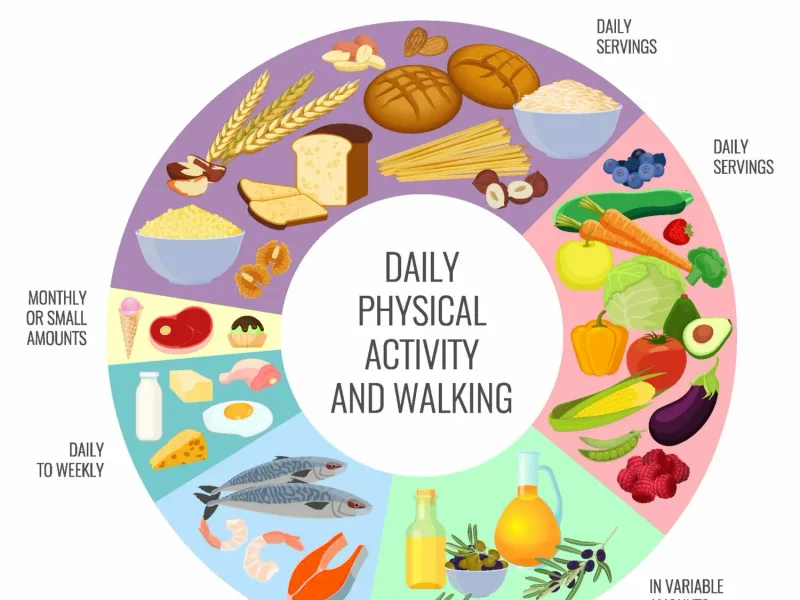
- Nutrition: A balanced diet rich in calcium and Vitamin D is vital for bone healing. These nutrients are the building blocks for new bone tissue.
Many of us have experienced the frustration of slow healing; patience and consistent effort during recovery are paramount. The WHO recommends adequate intake of calcium and Vitamin D for bone health, underscoring its importance in recovery.
Finding Expert Care in Giridih
Giridih is equipped with healthcare facilities and skilled orthopedic specialists capable of managing a wide spectrum of fractures. From initial diagnosis using advanced imaging to surgical repair and long-term rehabilitation, local healthcare providers offer reliable care.
It sounds simple. It rarely is.
Many hospitals and clinics in the region are associated with experienced orthopedic surgeons who adhere to national and international clinical standards. For instance, AIIMS guidelines for trauma management are often referenced by specialists across India, ensuring a high standard of care.
We often see sufferers worried about the recovery timeline. While individual healing rates vary, prompt and appropriate management, coupled with dedicated rehabilitation, significantly enhances the chances of a full recovery. Remember, seeking timely medical advice is the first and most critical step.
Key Takeaways
- Fractures require prompt medical evaluation and appropriate therapy to ensure proper healing.
- approach options range from casting and splinting for simpler fractures to surgical interventions like ORIF for complex breaks.
- Rehabilitation, including physiotherapy, is a vital component of recovery, helping to restore function and strength.
- India faces a notable burden of trauma-related injuries, making awareness of fracture care essential.
Frequently Asked Questions
Can I eat rice if I have a fracture?
Yes, you can eat rice. A balanced diet is important for bone healing. Ensure your diet includes adequate protein, calcium, and Vitamin D. Rice can be a part of your regular meals.
How long does a fracture typically take to heal?
Healing times vary greatly depending on the bone, fracture type, age, and overall health. Simple fractures might heal in 6-8 weeks, while more complex ones, especially in larger bones, can take several months. Consistent adherence to therapy and rehabilitation is key.
What are the risks of not treating a fracture properly?
Improperly treated fractures can lead to delayed healing, non-union (the bone failing to heal), malunion (healing in an incorrect position), chronic pain, joint stiffness, and arthritis. Seeking expert care from qualified physicians in Giridih is vital to mitigate these risks.
That alone changes everything.
Can I drive with a fractured leg?
Generally, you should not drive with a fractured leg, especially if it affects your ability to operate the vehicle safely. Your doctor will advise you on when it is safe to resume driving based on your specific fracture and recovery progress.
Always consult a qualified physician before making medical decisions.