Understanding Bone Fractures: A Lohardaga Perspective
A fracture, commonly known as a broken bone, occurs when there's a break in the continuity of bone tissue. These injuries can range from hairline cracks to complete breaks, often resulting from direct impact, falls, or repetitive stress. In Lohardaga, as across India, road traffic accidents and falls are primary causes.
We often see patients presenting with fractures after motorcycle accidents, which are unfortunately common. 5 million road accident deaths annually (MoRTH, 2022), underscoring the prevalence of trauma requiring prompt medical attention.
The reality is, dealing with a fracture impacts daily life significantly. Simple tasks become challenging, and the pain can be debilitating. But why does this happen? Bones, while strong, have limits. When force exceeds this limit, they fracture.
Diagnosis: Pinpointing the Break
Accurate diagnosis is the crucial first step in fracture treatment. Physicians in Lohardaga use several methods to confirm a fracture and assess its severity.
Physical Examination
Your doctor will begin with a thorough physical examination. They will look for signs of swelling, bruising, deformity, and tenderness. They will also check for any open wounds (an open or compound fracture) and assess the limb's circulation and nerve function. This initial assessment helps the physician understand the extent of the injury.
Imaging Techniques
Imaging plays a vital role in confirming fractures and planning intervention. What most people miss is the detail these tests provide.
- X-rays: These are the most prevalent imaging tests. They provide clear images of bone structures, helping to identify the location and type of fracture. Multiple views are often taken to get a complete picture.
- CT Scans (Computed Tomography): For complex fractures, especially those involving joints, CT scans offer more detailed cross-sectional images. This is vital for surgical planning.
- MRI Scans (Magnetic Resonance Imaging): MRI is particularly useful for detecting soft tissue damage (ligaments, tendons) associated with fractures and can also reveal subtle fractures not clearly visible on X-rays.
Fracture intervention Approaches in Lohardaga
The chosen intervention plan depends heavily on the fracture's type, location, severity, and the patient's overall health. Lohardaga's healthcare facilities offer a range of proven approach options.
Non-Surgical intervention
Many fractures can be managed effectively without surgery. The primary goal is to immobilize the broken bone to allow natural healing. The WHO recommends immobilization as a cornerstone for uncomplicated fractures.
Here's where it gets interesting.
- Casting and Splinting: Plaster or fiberglass casts are applied to hold the broken bone fragments in place. Splints offer less rigid support and are often used initially for swelling control or for less severe injuries. These devices prevent movement, enabling bone ends to knit together.
- Traction: In some cases, traction might be used. This involves using weights, pulleys, and ropes to gently pull on the fractured bone. It helps align the bone fragments and can relieve muscle spasms. This approach is less typical now but still valuable for specific fracture types.
Living with a cast can be challenging, restricting movement and requiring careful attention to skin hygiene. However, it's a reliable method for healing.
Surgical care
Surgery becomes necessary for certain types of fractures. This includes displaced fractures (where bone ends are out of alignment), open fractures, fractures involving joints, or when non-surgical methods fail. Orthopedic surgeons in Lohardaga perform these procedures to restore alignment and stability.
- Open Reduction and Internal Fixation (ORIF): This surgical procedure involves making an incision to directly reposition (reduce) the broken bone fragments and then fixing them internally with metal plates, screws, rods, or wires. This provides stable fixation, allowing early mobilization.
- Intramedullary Nailing: A metal rod is inserted into the hollow center (marrow cavity) of the bone to stabilize it. This is commonly used for fractures of the long bones like the femur (thigh bone) or tibia (shin bone).
- External Fixation: Pins or screws are inserted into the bone above and below the fracture site. These are attached to a metal frame outside the body. This method is often used for severe, open fractures or when significant soft tissue damage is present. It allows for wound management while stabilizing the bone.
These surgical interventions, guided by established clinical standards like those from the American Academy of Orthopaedic Surgeons (AAOS), aim to restore function and minimize long-term complications. Honestly, the precision involved is remarkable.
The Healing Process and Rehabilitation
Bone healing is a natural biological process, but it requires time and proper care. A typical fracture takes 6-8 weeks to heal sufficiently for cast removal, though complete bone consolidation can take several months. India faces a notable burden of musculoskeletal conditions, highlighting the importance of effective rehabilitation.
Pain Management
Pain is a marked indicator of a fracture. Physicians will prescribe appropriate pain relief medication. This could range from over-the-counter analgesics to stronger prescription drugs, depending on the pain level.
And yet, so many people miss it.
Nutrition for Bone Health
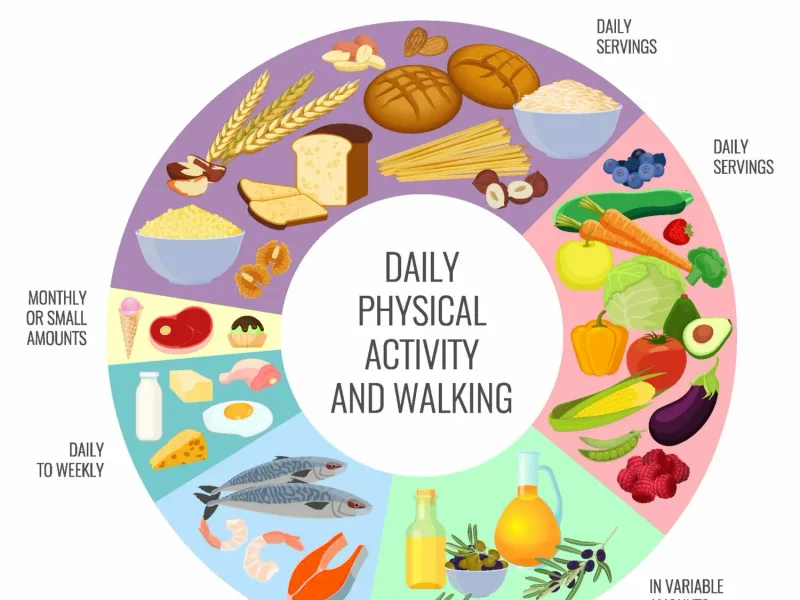
A balanced diet is vital for optimal bone healing. Key nutrients include:
- Calcium: Essential for bone structure. Good sources include dairy products, leafy green vegetables, and fortified foods.
- Vitamin D: Crucial for calcium absorption. Sunlight exposure is a primary source, supplemented by fatty fish, egg yolks, and fortified milk. The Indian Council of Medical Research (ICMR) highlights Vitamin D deficiency as a public health concern in India.
- Protein: Necessary for tissue repair. Lean meats, fish, eggs, and legumes are good sources.
Physiotherapy and Rehabilitation
Once the initial healing phase is complete, physiotherapy becomes indispensable. Is there a better way to regain strength? Specialists in Lohardaga guide those affected through exercises designed to:
- Restore range of motion in the affected joint.
- Strengthen weakened muscles.
- Improve balance and coordination.
- Gradually return to normal activities.
Early and consistent physiotherapy significantly boosts recovery outcomes. those affected who diligently follow their rehabilitation plan often experience a fuller return to function.
usual Fractures and Specific Considerations
While any bone can fracture, some are more prevalent. Understanding these helps in managing expectations and care.
Wrist Fractures
Often caused by falling onto an outstretched hand. care usually involves casting, but surgical fixation may be needed for complex displacements.
Ankle Fractures
Result from twisting injuries or direct impact. Management ranges from casting to surgical repair with plates and screws, depending on the severity and joint involvement.
Hip Fractures
More usual in older adults, often due to falls. These usually require surgical intervention, such as hip replacement or internal fixation, to restore mobility.
Clavicle (Collarbone) Fractures
widespread in athletes and children, typically from direct blows. Most heal well with conservative management (sling), but surgery is an option for meaningful displacement.
Preventing Fractures: Steps Towards Safety
While not all fractures are preventable, taking precautions can significantly reduce risk. This is especially vital given the high incidence of accidents in our region.
- Fall Prevention: For seniors, ensuring home safety by removing tripping hazards, installing grab bars, and maintaining good lighting is key.
- Protective Gear: Wearing appropriate safety equipment during sports or cycling (helmets, pads) can prevent serious injuries.
- Bone Health Maintenance: Adequate calcium and Vitamin D intake, regular weight-bearing exercise, and avoiding smoking strengthen bones.
- Road Safety: Adhering to traffic rules and wearing seatbelts or helmets dramatically reduces the chance of traumatic fractures.
In many cases, simple lifestyle adjustments can make a world of difference. We must all be mindful of our safety.
When to Seek Immediate Medical Attention
Seek emergency care if you suspect a fracture, especially if:
- There is obvious deformity of the limb.
- The injury involves an open wound exposing bone.
- You cannot move or bear weight on the injured limb.
- There is numbness or notable loss of circulation below the injury site.
Prompt attention at a facility like the district hospital or a private clinic in Lohardaga ensures timely diagnosis and reduces the possibility of complications. Delaying care can lead to poorer outcomes.
Key Takeaways
- Fractures require prompt medical evaluation using X-rays and other imaging.
- therapy options include non-surgical methods like casting and surgical interventions like ORIF.
- Proper nutrition (calcium, Vitamin D) and physiotherapy are vital for healing and recovery.
- Preventive measures like fall safety and protective gear can reduce fracture danger.
Recovering from a fracture is a journey, but with the right care and dedication, regaining full strength and mobility is entirely achievable. Stay positive, follow your doctor's advice, and embrace the process of healing.
Frequently Asked Questions
Can I eat rice if I have a fracture?
Yes, you can eat rice. A balanced diet rich in calcium, Vitamin D, and protein is crucial for bone healing. Rice can be part of a healthy meal plan, ensuring you also consume other nutrient-dense foods.
How long does a bone fracture typically take to heal?
Most simple fractures take about 6 to 8 weeks to heal sufficiently for cast removal. However, complete bone consolidation and return to full strength can take several months. Factors like age, fracture severity, and overall health influence healing time.
Should I move the injured limb if I suspect a fracture?
Avoid unnecessary movement of the injured limb. Immobilize it as much as possible to prevent further damage and reduce pain. Seek medical attention immediately for proper diagnosis and management.
What are the signs of a complicated fracture?
Signs of a complicated fracture include severe pain, notable swelling, deformity, inability to move or bear weight, open wounds with exposed bone, and signs of nerve or blood vessel damage like numbness, tingling, or pale skin.
The numbers don't lie.
Always consult a qualified physician before making medical decisions.