Understanding Bone Fractures and Their Treatment in Nawada
A bone fracture, commonly known as a broken bone, occurs when there is a break in the continuity of bone. This can range from a hairline crack to a complete shattering of the bone. In Nawada, as across India, these injuries are often the result of accidents, falls, or sports-related incidents.
The primary goal of fracture intervention is to restore the bone’s alignment and stability, enabling it to heal properly and allowing individuals to regain full function. Many of us have experienced or known someone who has suffered a fracture, highlighting the commonality and impact of these injuries.
The reality is, a fracture requires prompt and appropriate medical attention. Delaying care can lead to complications such as malunion (healing in an incorrect position), nonunion (failure to heal), or increased pain and disability. Specialists in Nawada employ a range of proven techniques to manage these injuries effectively.
Diagnosis: Pinpointing the Fracture
Accurate diagnosis is the crucial first step in fracture management. Physicians in Nawada will begin with a thorough physical examination. This involves assessing the injured area for swelling, deformity, bruising, and tenderness.
Recovery is rarely linear.
They will also inquire about the mechanism of injury – how the break occurred. Have you ever wondered why understanding the injury mechanism is so important? It helps doctors determine the likely force and direction applied, giving clues about the fracture pattern.
Imaging studies are vital for confirming a fracture and understanding its severity. X-rays are the most common diagnostic tool, providing clear images of the bone structure.
In some cases, especially with complex fractures or suspected damage to surrounding soft tissues, a CT scan (Computed Tomography) or MRI (Magnetic Resonance Imaging) may be recommended. These advanced imaging techniques offer more detailed views of the bone and can help specialists identify subtle fractures or associated injuries.
intervention Approaches: Restoring Bone Integrity
Fracture therapy strategies are tailored to the specific type, location, and severity of the break, as well as the patient’s overall health. Options generally fall into two main categories: non-surgical and surgical.
Non-Surgical care
For simpler, non-displaced fractures (where the bone fragments remain aligned), non-surgical methods are often sufficient. These approaches focus on immobilizing the fractured bone to allow natural healing.
The numbers don't lie.
- Casting: A plaster or fiberglass cast is applied around the injured limb. This rigid external support prevents movement, ensuring the bone fragments stay in place while new bone tissue forms. The cast typically remains in place for several weeks, depending on the fracture site and healing progress.
- Splinting: Splints offer support but are less restrictive than casts. They are often used initially for swollen limbs or for fractures that do not require complete immobilization.
- Functional Braces: These allow for limited, controlled movement of nearby joints. This can be beneficial in certain fractures, promoting healing while preventing excessive stiffness.
- Traction: In some cases, particularly for long bone fractures, traction may be used. This involves using weights, pulleys, and ropes to apply a constant pulling force. This gentle pull helps to align the bone fragments and reduce muscle spasms.
What most people miss: even with non-surgical management, adherence to the physician's instructions is paramount. This includes keeping the cast or brace dry and attending all follow-up appointments.
Surgical therapy
When fractures are severe, displaced (bone ends are out of alignment), unstable, or involve joints, surgical intervention may be necessary. Surgical approach aims to realign the bone fragments accurately and stabilize them internally or externally to ensure proper healing. Specialists in Nawada are equipped to handle these complex procedures.
- Open Reduction and Internal Fixation (ORIF): This is a usual surgical approach. 'Open reduction' means the surgeon makes an incision to directly access and realign the broken bone fragments. 'Internal fixation' involves using metal hardware – such as screws, plates, rods, or wires – to hold the bone pieces together while they heal. These implants are typically made of biocompatible materials like titanium or stainless steel.
- External Fixation: In cases of severe open fractures (where the bone breaks through the skin) or significant soft tissue damage, an external fixator may be used. This device consists of pins or screws inserted into the bone above and below the fracture site. These pins are then connected to an external metal frame. The frame holds the bone fragments in alignment from outside the body.
- Intramedullary Nailing: This technique is frequently used for fractures of long bones like the femur (thigh bone) or tibia (shin bone). A metal rod is inserted into the hollow marrow cavity of the bone, providing stable fixation from within.
The decision for surgery is always based on a careful assessment of risks versus benefits. The expertise of orthopedic surgeons in Nawada ensures these procedures are performed with the highest standards of care, often referencing guidelines similar to those established by the Indian Orthopaedic Association.
The Healing Process and Rehabilitation
Bone healing is a natural biological process that typically occurs in stages over several weeks to months. Following fracture care, a structured rehabilitation program is vital for a successful recovery. This is where physiotherapy makes a real difference.
Physiotherapists in Nawada work closely with patients to enable them regain strength, flexibility, and range of motion in the injured limb. Initially, exercises may focus on maintaining strength in surrounding muscles and preventing stiffness. As healing progresses, the intensity and complexity of exercises increase.
That's the part worth remembering.
- Range of Motion Exercises: Gentle movements to restore joint flexibility.
- Strengthening Exercises: Using resistance bands, weights, or bodyweight to rebuild muscle power lost during immobilization.
- Balance and Proprioception Training: Especially major for lower limb fractures, this helps restore the body’s sense of position and stability.
- Functional Training: Practicing activities of daily living, like walking, climbing stairs, or gripping, to prepare for return to normal activities.
Living with a fracture and undergoing rehabilitation is genuinely hard. The process requires patience and dedication. In real-world terms, the commitment to a rehabilitation plan directly impacts the final outcome, influencing how quickly and completely function is restored.
Choosing the Right Care in Nawada
When facing a bone fracture, selecting the right healthcare facility and specialists is paramount. Nawada offers access to experienced orthopedic clinicians and well-equipped hospitals capable of providing comprehensive fracture care. Look for institutions with a strong track record in trauma management and orthopedic surgery.
The experience of those affected in Nawada underscores the importance of clear communication with your physician. Understanding your diagnosis, approach plan, and expected recovery timeline empowers you to actively participate in your healing journey.
Does this sound familiar? Many sufferers find that asking questions and staying informed significantly reduces anxiety.
Remember, while modern medicine offers remarkable solutions for fractures, your body’s natural healing ability, supported by expert care and diligent rehabilitation, is the ultimate key to recovery. The journey may have its challenges, but with the right approach, a return to an active and fulfilling life is well within reach.
And yet, so many people miss it.
Frequently Asked Questions
How long does a bone fracture typically take to heal?
The healing time for a bone fracture varies significantly depending on the bone involved, the severity of the break, the patient’s age, and overall health. Generally, simple fractures in adults can take 6 to 8 weeks to heal, while more complex fractures or those in weight-bearing bones may require 3 to 6 months or even longer.
What are the signs that a fracture is not healing properly?
Signs of improper healing can include persistent or worsening pain at the fracture site, increased swelling, instability in the injured limb, or a visible deformity. If you experience any of these indicators, it is vital to consult your physician immediately for re-evaluation.
Can I resume normal physical activity after a fracture?
Resuming normal physical activity is a gradual process guided by your doctor and physiotherapist. They will assess your healing progress and strength before clearing you for specific activities. It is crucial to follow their recommendations to avoid re-injury and ensure a safe return to your previous lifestyle.
What role does nutrition play in fracture healing?
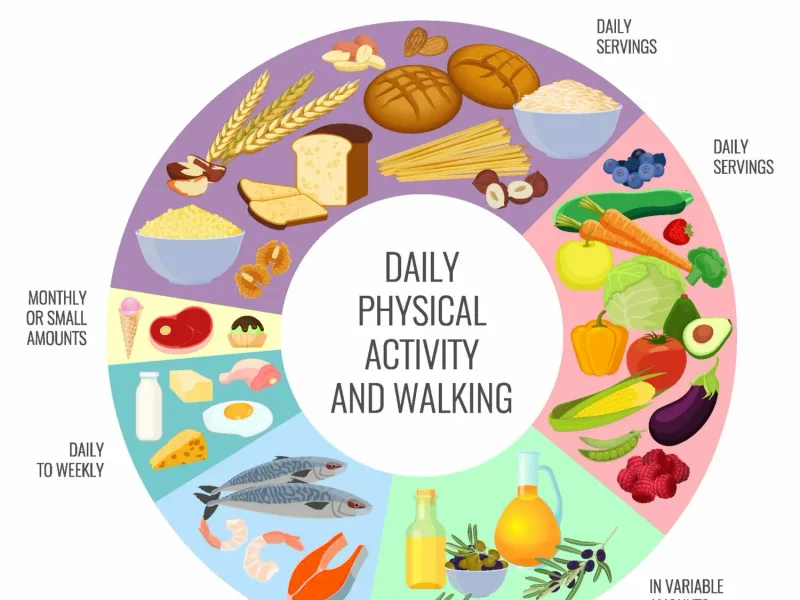
Good nutrition is vital for bone healing. Adequate intake of calcium and Vitamin D is essential for bone strength and repair. Protein is also vital for tissue regeneration. A balanced diet supports the body’s complex healing processes, helping to speed up recovery.
It sounds simple. It rarely is.
Always consult a qualified physician before making medical decisions.