Understanding Fractures: What Happens to Your Bones?
A fracture, commonly known as a broken bone, occurs when there's a break in the continuity of bone tissue. This can range from a hairline crack to a complete shattering of the bone. We often see these injuries result from trauma, like falls or accidents. Think about it this way: a bone is strong, but sudden, excessive force can overwhelm its capacity.
India faces a significant burden of trauma-related injuries annually. For instance, road traffic accidents alone are a leading cause of fractures. Understanding the type of fracture is crucial for effective treatment.
Types of Fractures
- Open (Compound) Fractures: The broken bone pierces the skin, exposing the bone and surrounding tissues. This poses a higher risk of infection.
- Closed (Simple) Fractures: The bone is broken, but the skin remains intact.
- Greenstick Fractures: Common in children, where the bone bends and cracks but doesn't break completely.
- Comminuted Fractures: The bone breaks into three or more pieces.
- Stress Fractures: Tiny cracks caused by repetitive force, often seen in athletes.
Diagnosis: Pinpointing the Break
Accurate diagnosis is the first vital step in fracture care. Physicians in Palamu employ several methods to confirm a fracture and assess its severity. The reality is, prompt and correct diagnosis prevents complications. How serious is this really? It’s serious enough to require immediate medical attention.
Physical Examination
Your doctor will carefully examine the injured area. They will look for swelling, deformity, bruising, and tenderness. They'll also check for nerve or blood vessel damage.
Imaging Techniques
Imaging tests are essential for visualizing the bone. X-rays are the most typical diagnostic tool. They provide clear images of the bone structure, revealing the location and extent of the break.
In some complex cases, especially involving joints or soft tissues, an MRI (Magnetic Resonance Imaging) or CT scan (Computed Tomography) might be necessary. These scans offer more detailed views, helping specialists plan the most proven approach.
And yet, so many people miss it.
Fracture approach Options in Palamu
The approach to treating a fracture depends heavily on its type, location, and severity. Palamu offers a range of therapeutic options, from non-surgical methods to advanced surgical interventions. Many of us have experienced the worry associated with a broken bone; knowing the available treatments can ease that anxiety.
Non-Surgical management
For simpler fractures, non-surgical methods are often sufficient. These aim to immobilize the broken bone, allowing it to heal naturally. Practically speaking, this means keeping the bone still so new bone cells can form and knit the fragments together.
Casting and Splinting
A cast or splint provides rigid support to keep the fractured bone in place. Plaster or fiberglass casts are commonly used. These devices prevent movement, which is crucial for bone healing. The duration of casting varies, typically lasting several weeks to a few months, depending on the bone and the patient's age.
Traction
In some cases, traction may be used. This involves using weights, pulleys, and ropes to gently pull on the bone. It helps align the bone fragments correctly, especially for certain types of leg or hip fractures. This method requires careful monitoring by healthcare professionals.
The numbers don't lie.
Surgical management
When fractures are severe, displaced, or involve joints, surgery may be the most reliable option. Orthopedic surgeons in Palamu are equipped to handle these complex cases. Surgical intervention aims to realign the bone fragments and stabilize them internally.
Internal Fixation
This procedure uses metal plates, screws, rods, or pins to hold the broken bone pieces together. These implants are typically placed during surgery and remain inside the body to support healing. For example, an intramedullary nail is often inserted down the center of a long bone like the femur (thigh bone).
External Fixation
An external fixator is a frame placed outside the body with pins or screws inserted into the bone through the skin. This method is often used for complex open fractures or when the surrounding tissues are severely damaged.
It allows for stabilization while also providing access for wound care. The frame is usually removed once the bone has healed sufficiently.
The Healing Process: What to Expect
Bone healing is a remarkable biological process. It typically occurs in stages: inflammation, soft callus formation, hard callus formation, and bone remodeling. Living with a fracture is genuinely hard, especially during the initial stages. Many of us have had to adjust our daily routines significantly after an injury.
It sounds simple. It rarely is.
Factors Influencing Healing
Several factors can influence how quickly and effectively a bone heals. These include the patient's age (younger individuals generally heal faster), nutritional status, overall health (conditions like diabetes can slow healing), and the severity of the fracture. Adherence to the doctor's instructions is paramount.
Role of Nutrition
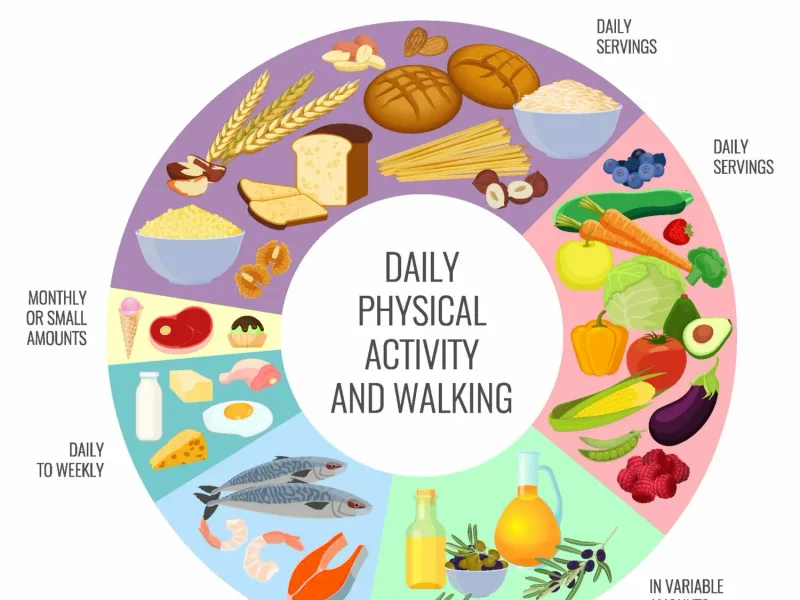
A balanced diet rich in calcium and Vitamin D is vital for bone health and repair. Calcium is the building block of bone, while Vitamin D helps the body absorb calcium.
Foods like dairy products, leafy green vegetables, and fortified cereals are excellent sources. India has a high prevalence of Vitamin D deficiency, making supplementation sometimes necessary, as recommended by healthcare providers.
Rehabilitation and Recovery
Recovery doesn't end when the cast comes off. Rehabilitation is a crucial phase designed to restore strength, flexibility, and function to the injured limb. Think about it this way: the bone may be healed, but the muscles and joints around it need retraining.
Physical Therapy
Physical therapy (physiotherapy) is central to. A trained physiotherapist will guide you through specific exercises. These exercises aim to:
- Regain range of motion in the affected joint.
- Strengthen weakened muscles.
- Improve balance and coordination.
- Gradually return to normal activities.
Following a physiotherapy regimen diligently can significantly enhance the long-term outcome. Is there a better way to ensure full recovery? Consistent effort in rehabilitation is key.
Pain Management
Pain management is an integral part of fracture care. Physicians may prescribe pain relievers, ranging from over-the-counter options to stronger medications, depending on the pain level. Applying ice packs can also help reduce swelling and numb the area. Proper pain control enables patients to participate more effectively in physical therapy.
The numbers don't lie.
Choosing the Right Facility in Palamu
Selecting the appropriate healthcare facility is vital for optimal fracture management. In Palamu, several hospitals and clinics offer orthopedic services.
Look for institutions with experienced orthopedic surgeons, well-equipped operation theaters, and dedicated post-operative care units. Having access to advanced diagnostic tools like CT scanners and MRI machines can also make a major difference in complex cases.
When to Seek Immediate Care
Immediate medical attention is necessary if you suspect a fracture. Signs include severe pain, inability to move the limb, visible deformity, or bone protruding through the skin.
Prompt assessment and intervention at a facility like a district hospital or a specialized orthopedic center in Palamu can prevent complications and enhance healing outcomes.
Preventing Fractures: Staying Safe
While not all fractures are preventable, taking certain precautions can significantly reduce the possibility. Promoting bone health throughout life is key. A fall can happen to anyone, but stronger bones and better balance can mitigate the impact.
In India, osteoporosis (weakening of bones) affects millions, increasing fracture chance, particularly among older adults. The WHO recommends regular weight-bearing exercises to maintain bone density.
Lifestyle Modifications
- Balanced Diet: Ensure adequate intake of calcium and Vitamin D.
- Regular Exercise: Engage in activities that strengthen bones and enhance balance, such as walking, jogging, or yoga.
- Fall Prevention: Make your home safer by removing tripping hazards, ensuring good lighting, and using non-slip mats in bathrooms.
- Avoid Smoking and Excessive Alcohol: These habits can negatively impact bone density and healing.
In real-world terms, these simple steps contribute immensely to long-term bone health and resilience. Always consult a qualified physician before making medical decisions.
Key Takeaways
- Fracture therapy in Palamu encompasses both non-surgical (casting, splinting) and surgical (internal/external fixation) approaches.
- Accurate diagnosis via X-rays and other imaging is the crucial first step.
- Rehabilitation, including physical therapy, is vital for restoring function post-healing.
- Adequate nutrition (calcium, Vitamin D) and lifestyle choices support bone healing and prevention.
- Prompt medical attention is essential for suspected fractures to prevent complications.
Frequently Asked Questions
How long does a typical fracture take to heal?
Healing times vary significantly, but most simple fractures take about 6-8 weeks to heal sufficiently for cast removal. Complex fractures or those in older individuals may take considerably longer, sometimes several months.
Can I put weight on a broken bone immediately after approach?
Generally, no. Weight-bearing is usually restricted until X-rays confirm sufficient bone healing. Your doctor will provide specific guidance on when it's safe to start putting weight on the injured limb, often gradually.
Most people overlook this completely.
What are the frequent signs of a fracture?
prevalent indicators include intense pain, swelling, bruising, deformity of the limb, and an inability to move or bear weight on the affected area. Sometimes, a snapping sound may be heard at the time of injury.
Is surgery always required for a broken bone?
No, surgery is not always required. Many fractures, especially simpler ones like hairline or closed fractures, can be effectively treated with casting or splinting. Surgery is typically reserved for complex, displaced, or open fractures.