Understanding Fractures and Their Treatment in Simdega
Fractures, or broken bones, are a common occurrence, often resulting from accidents, falls, or sports injuries. In Simdega, as across India, timely and appropriate medical intervention is crucial for effective healing and restoring function. We often see patients who delay seeking care, leading to complications. Think about it this way: a fracture is like a crack in a building's foundation; ignoring it can compromise the entire structure. This guide provides an in-depth look at fracture therapy options available in Simdega, focusing on expert care and patient recovery.
What is a Fracture?
A fracture is a break in the continuity of a bone. This break can range from a hairline crack to a complete shattering of the bone. The severity of the fracture often dictates the complexity of the intervention approach. Causes are varied, including direct trauma (like a fall onto an outstretched hand), indirect trauma (like a fall from a height), or stress fractures from repetitive force. In India, road traffic accidents are a significant contributor to fractures, with road injuries claiming over 150,000 lives annually (WHO, 2020).
Types of Fractures
Fractures are classified based on several factors, including the pattern of the break and whether the skin is compromised. Key types include:
- Open (Compound) Fractures: The broken bone pierces through the skin. These carry a higher risk of infection.
- Closed (Simple) Fractures: The skin remains intact over the fracture site.
- Comminuted Fractures: The bone is broken into three or more pieces.
- Greenstick Fractures: frequent in children, where the bone bends and cracks but doesn't break completely.
- Stress Fractures: Tiny cracks in the bone, often from overuse.
What's the bottom line here? Understanding the type of fracture is the first step toward proven management.
Diagnosis of Fractures in Simdega
Upon suspecting a fracture, seeking immediate medical attention is vital. In Simdega, primary healthcare centers and the district hospital are equipped to handle initial assessments. Diagnosis typically involves:
- Medical History: The physician will ask about the injury mechanism and your symptoms.
- Physical Examination: Assessing for pain, swelling, deformity, and range of motion.
- Imaging Tests: X-rays are the standard diagnostic tool. In complex cases, CT scans or MRIs might be required to visualize the fracture in detail.
This systematic approach ensures an accurate diagnosis, which is the cornerstone of successful care.
Fracture care Approaches
The primary goal of fracture intervention is to realign the broken bone fragments (reduction) and keep them in place while they heal (immobilization). The chosen approach depends on the fracture's location, type, severity, and the patient's overall health. In Simdega, a range of treatments are available, often guided by national clinical standards.
Non-Surgical therapy
For many fractures, non-surgical methods are sufficient and highly powerful. These include:
- Casting: Plaster or fiberglass casts are used to immobilize the fractured bone, holding the fragments in alignment. This is a typical approach for many limb fractures.
- Splinting: Similar to casting but offers less rigid support, often used for initial stabilization or for fractures that are less likely to displace.
- Functional Bracing: Allows limited, controlled movement around the fracture site, which can sometimes speed up recovery and prevent stiffness.
Living with a cast or brace is genuinely hard, but it's a necessary phase for healing. Remember the analogy of setting a broken pot; it needs to be held still to mend properly.
Surgical management
Surgery becomes necessary when non-surgical methods are insufficient. This is particularly true for open fractures, unstable fractures, or those involving joints. Surgical interventions aim to stabilize the bone fragments internally or externally.
- Open Reduction and Internal Fixation (ORIF): This involves surgically exposing the fracture site, manually aligning the bone fragments (open reduction), and then fixing them with metal plates, screws, rods, or wires (internal fixation). Specialists at district hospitals and referral centers often perform these procedures.
- External Fixation: Metal pins or screws are inserted into the bone above and below the fracture site and are attached to a metal bar outside the skin. This method is often used for severe open fractures or complex breaks where soft tissues are also damaged.
Here's the thing — surgical options provide a reliable way to achieve precise alignment, especially in complex trauma cases. The Indian population faces major trauma burden; road accidents alone result in over 400,000 disabilities annually (ICMR, 2022).
Pain Management
Pain is a considerable symptom following a fracture. successful pain management is a crucial part of the care plan. Physicians in Simdega use a combination of:
- Over-the-counter pain relievers (like paracetamol or ibuprofen).
- Prescription pain medications for more severe pain.
- Ice application to reduce swelling and numb the area.
Does this sound familiar? Managing pain allows for better rest and facilitates early mobilization exercises, which are key to recovery.
The Healing Process and Rehabilitation
Bone healing is a biological process that takes time. The duration varies greatly depending on the bone, the fracture's severity, age, and overall health. Generally, uncomplicated fractures take 6-8 weeks to heal sufficiently for basic weight-bearing, but full recovery can take several months.
Role of Physiotherapy
Physiotherapy is an indispensable component of fracture recovery. Once the bone has achieved a stable level of healing, a physiotherapist will guide you through exercises to:
- Restore range of motion in the affected joint.
- Strengthen the muscles around the fracture site.
- Improve balance and coordination.
- Regain full function and return to daily activities.
What most people miss is that rehabilitation is not just about healing the bone; it's about reclaiming your life and mobility. Specialists in Simdega emphasize early, supervised mobilization to prevent long-term complications like joint stiffness and muscle atrophy. India has over 1.5 million physiotherapists, ensuring access to rehabilitation services (Indian Association of Physiotherapists).
Nutrition and Lifestyle for Healing
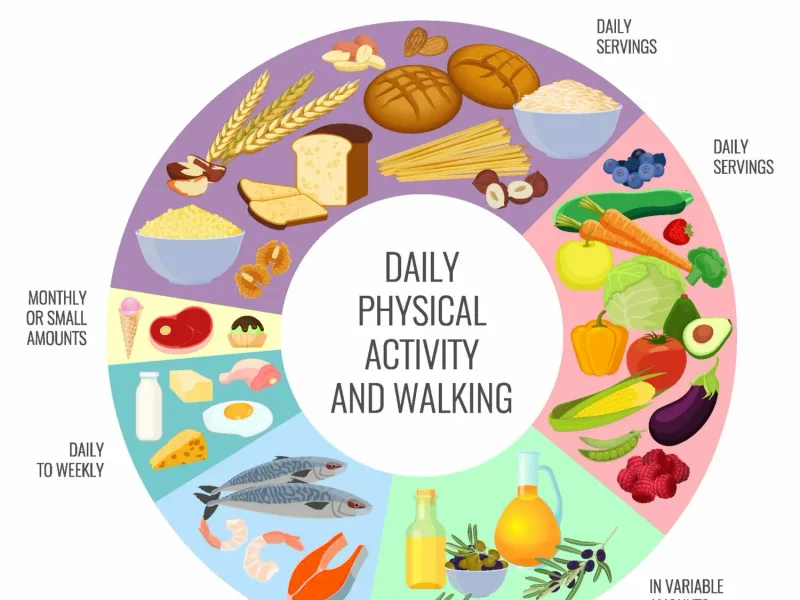
Proper nutrition significantly supports bone healing. Key nutrients include:
- Calcium: Essential for bone structure. Good sources include dairy products, leafy greens, and fortified foods.
- Vitamin D: Crucial for calcium absorption. Sunlight exposure and foods like fatty fish help.
- Protein: Needed for tissue repair. Lean meats, eggs, and legumes are excellent sources.
In real-world terms, think of your body as a construction site. You need the right building materials (nutrients) to repair the damage effectively. Avoiding smoking and excessive alcohol consumption also aids in faster and more reliable bone healing.
When to Seek Advanced Care
While Simdega offers essential medical services, certain complex fractures or complications might necessitate referral to specialized orthopedic centers. These could include major metropolitan hospitals or institutions affiliated with medical colleges like AIIMS. Signs that may warrant a referral include:
- Signs of infection (redness, increased pain, fever).
- Non-union (the bone failing to heal).
- Malunion (the bone healing in an incorrect position).
- Nerve or blood vessel damage.
Prompt referral ensures that those affected receive the highest level of specialized care available.
Key Takeaways
- Fracture intervention in Simdega involves diagnosis through physical examination and X-rays, with advanced imaging for complex cases.
- care options range from casting and splinting to surgical interventions like ORIF and external fixation, depending on fracture type and severity.
- Physiotherapy and proper nutrition (calcium, Vitamin D, protein) are vital for optimal bone healing and functional recovery.
- Early consultation with healthcare providers is crucial to prevent complications and ensure reliable outcomes.
Recovering from a fracture is a journey that requires patience, adherence to medical advice, and active participation in rehabilitation. With the right care and a positive outlook, regaining strength and mobility is entirely achievable. You've got this!
Always consult a qualified physician before making medical decisions.
Frequently Asked Questions
How long does a fracture typically take to heal?
Most simple fractures take about 6 to 8 weeks to heal enough for basic function. However, complete healing and return to strenuous activities can take several months, depending on the bone and individual factors.
Can I put weight on a broken leg immediately?
Generally, no. Weight-bearing is usually restricted for several weeks to allow the bone to stabilize. Your doctor or physiotherapist will guide you on when it's safe to start putting weight on the injured leg.
What are the risks of not treating a fracture properly?
Improper or delayed intervention can lead to complications such as delayed healing, non-union (bone failing to heal), malunion (bone healing in a deformed position), chronic pain, and joint stiffness.
How can I support speed up my fracture healing?
You can support healing by following your doctor's instructions precisely, maintaining a balanced diet rich in calcium and Vitamin D, avoiding smoking and excessive alcohol, and actively participating in prescribed physiotherapy exercises.