Green Pods: A Nutritional Powerhouse for Indian Diets
Meena, 45, a homemaker from Jaipur, noticed her energy levels dipping significantly after her midday meals. She often felt sluggish, especially during the humid monsoon season when her appetite for heavier foods increased. Her doctor suggested incorporating more dietary fibre and essential vitamins into her diet, recommending a simple yet powerful addition: green pods. This versatile vegetable, known locally as phalli or sheem, is a staple in many kitchens, often prepared as a simple stir-fry or added to mixed vegetable curries. But beyond its culinary adaptability, these pods offer a wealth of wellness benefits that can profoundly impact overall well-being. The reality is, many of us overlook the nutritional punch packed by everyday vegetables.
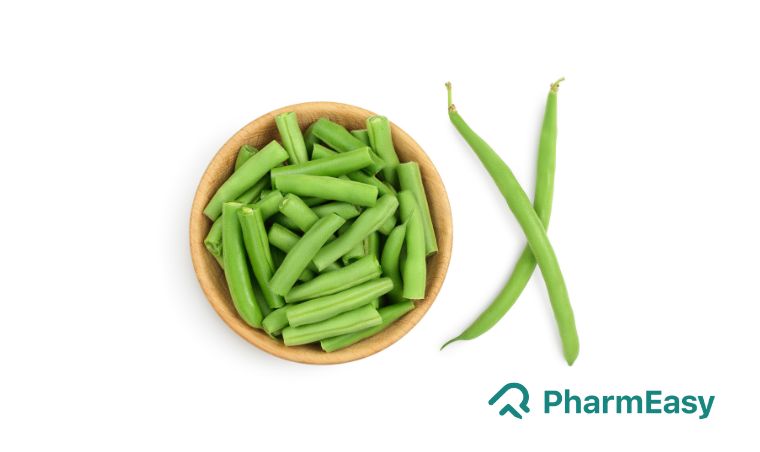
Have you ever wondered why certain foods are consistently recommended for a healthy lifestyle? Green pods, or Phaseolus vulgaris, are a prime example. These tender, immature pods are brimming with vitamins, minerals, and fibre, making them an excellent choice for maintaining good health. They are naturally low in calories and fat, yet high in essential nutrients. Practically speaking, integrating them into your daily meals is remarkably easy, whether you’re preparing a quick sabzi, a vibrant salad, or even a flavourful soup. Their mild flavour profile allows them to complement a wide array of spices and ingredients commonly used in cooking.
Nutritional Profile of Green Pods
Understanding the nutritional value of green pods is key to appreciating their wellness benefits. 7 grams are dietary fibre.
This makes them an ideal food for weight management and digestive health.
Vitamins and Minerals Galore
These vibrant green pods are a rich source of several vital micronutrients:
- Vitamin K: Crucial for bone health and proper blood clotting. Just one cup of cooked green pods can provide a significant portion of your daily requirement.
- Vitamin C: A potent antioxidant that supports the immune system and skin health.
- Vitamin A: Essential for vision, immune function, and cell growth.
- Folate (Vitamin B9): Important for cell division and DNA formation, particularly vital during pregnancy.
- Manganese: Plays a role in metabolism and bone formation.
- Potassium: Helps regulate blood pressure and fluid balance.
The presence of these vitamins and minerals underscores why green pods are considered a cornerstone of a balanced diet. Their contribution extends beyond basic nutrition, offering protective effects against various chronic diseases.
Key Wellness Benefits of Green Pods
Supports Digestive Health
The high dietary fibre content in green pods is perhaps their most celebrated benefit. Fibre adds bulk to stool, promoting regular bowel movements and preventing constipation. This is particularly key in regions where dietary habits can vary significantly, and digestive issues are common.
A diet rich in fibre, like one incorporating regular servings of green pods, can help maintain a healthy gut microbiome, which is increasingly linked to overall health, including mental well-being. The International Diabetes Federation (IDF) also highlights the role of fibre in managing blood sugar levels, further emphasizing the importance of foods like green pods for diabetic patients, a condition affecting over 101 million people (ICMR, 2023).
Promotes Heart Health
Green pods contain antioxidants, such as flavonoids and Vitamin C, which combat oxidative stress and inflammation—key contributors to heart disease. The fibre content also aids in lowering LDL (bad) cholesterol levels. On top of that,, the potassium present helps in maintaining healthy blood pressure.
This is where most those affected struggle.
A study published in The Lancet indicated that increased vegetable intake, particularly fibre-rich varieties like green pods, is associated with a reduced risk of cardiovascular events. Small dietary changes can lead to major long-term cardiovascular benefits.
Aids in Weight Management
Low in calories and fat, yet high in fibre and water content, green pods are an excellent food for those looking to manage their weight. The fibre helps you feel fuller for longer, reducing overall calorie intake.
This makes them a perfect accompaniment to meals, especially for individuals accustomed to larger portion sizes or those who often find themselves snacking between meals. Their satisfying texture and mild taste make them easy to incorporate into various weight-conscious meal plans.
Strengthens Bones
The meaningful amount of Vitamin K found in green pods makes a real difference in bone metabolism and health. Vitamin K helps activate proteins essential for bone formation and mineralization.
Adequate intake of Vitamin K, alongside calcium and Vitamin D, can contribute to stronger bones and may assist reduce the possibility of osteoporosis, a issue that affects millions globally, including a substantial portion of the aging population. Many traditional diets might be lower in Vitamin K, making the inclusion of these pods even more beneficial.
This is where most individuals struggle.
Boosts Immune Function
With their rich Vitamin C content, green pods act as powerful antioxidants, protecting the body's cells from damage caused by free radicals. Vitamin C also stimulates the production of white blood cells, which are vital for fighting off infections.
In contexts where seasonal illnesses like the usual cold and flu are prevalent, especially after periods of heavy rainfall, boosting immunity through diet is a practical strategy.
Supports Healthy Pregnancy
Folate (Vitamin B9) is indispensable for pregnant women. It plays a critical role in preventing neural tube defects in the developing fetus.
Green pods provide a good source of this essential nutrient, making them a valuable addition to the diet of expectant mothers. The World Health Organization (WHO) recommends adequate folate intake for all women of reproductive age.
Culinary Uses of Green Pods in India
Green pods are incredibly versatile in the kitchen. Their mild flavour allows them to absorb the essence of spices and herbs beautifully. Here are some popular ways they are used:
- Stir-fries (Sabzi): Often cooked with onions, tomatoes, mustard seeds, curry leaves, and a blend of spices like turmeric, cumin, and coriander. A simple tempering of mustard seeds and asafoetida (hing) is a typical starting point.
- Mixed Vegetable Curries: Added to richer gravies alongside potatoes, carrots, peas, and other seasonal vegetables. They provide texture and a nutritional boost.
- Dal Combinations: Sometimes added to lentil preparations (dal) for added fibre and nutrients.
- Rice Dishes: Incorporated into pulaos and biryanis for colour, texture, and added nutrition.
- Salads: Lightly steamed or blanched green pods can be added to salads, offering a crisp texture and vibrant green colour. This is a less traditional but increasingly popular way to consume them, especially among health-conscious individuals.
The ease with which green pods can be prepared—whether stir-fried quickly over high heat or simmered gently in a curry—makes them a convenient choice for busy households. Their ability to be enjoyed both hot and cold further enhances their culinary appeal across different regional cuisines.
Potential Side Effects and Precautions
While green pods are generally safe and highly beneficial for most people, there are a few considerations:
Digestive Discomfort
Like other legumes, green pods contain carbohydrates that can be difficult for some individuals to digest, potentially leading to gas, bloating, or abdominal discomfort. This is often due to their fibre content or certain types of sugars (oligosaccharides).
That alone changes everything.
Starting with small portions and gradually increasing intake can support the digestive system adapt. Thorough cooking also helps break down these compounds.
Lectins
Raw or undercooked pods contain lectins, proteins that can cause digestive upset and interfere with nutrient absorption. Most lectins are destroyed by proper cooking. It's crucial to cook green pods thoroughly—boiling, steaming, or sautéing until tender—before consumption. Never eat them raw.
Allergies
Although rare, some individuals may be allergic to pods, including green pods. Symptoms can range from mild skin reactions to more severe anaphylactic responses. If you suspect an allergy, seek immediate medical attention.
Medication Interactions
Due to their high Vitamin K content, individuals taking blood-thinning medications like warfarin (Coumadin) should consume green pods in consistent, moderate amounts. Sudden large increases in Vitamin K intake can interfere with the effectiveness of these medications.
If you are on such medication, discussing your diet with your doctor is essential.
Choosing and Storing Green Pods
When selecting green pods, look for firm, bright green pods that snap easily. Avoid pods that are limp, discoloured, or have visible blemishes. To store them, keep them in a perforated plastic bag in the crisper drawer of your refrigerator.
That alone changes everything.
They are best consumed within a few days of purchase for maximum freshness and nutrient retention. Properly stored, they can last up to a week.
Conclusion
Green pods are a nutritional powerhouse that deserves a regular spot in your diet. From supporting digestive and heart health to strengthening bones and boosting immunity, their benefits are extensive. Their versatility in cooking makes incorporating them simple and delicious.
By understanding their nutritional value and preparing them correctly, you can harness the full potential of this humble yet mighty vegetable. Always consult a qualified physician before making any medical decisions.
Key Takeaways:
- Green pods are low in calories and high in dietary fibre, aiding digestion and weight management.
- They are an excellent source of Vitamin K, crucial for bone health, and Vitamin C, an considerable antioxidant.
- Proper cooking is essential to destroy lectins present in raw pods, preventing digestive upset.
- Individuals on blood thinners should consume green pods in moderation due to their Vitamin K content.
- Over 101 million people have diabetes (ICMR, 2023), and fibre-rich foods like green pods can support manage blood sugar levels.