Understanding Gallbladder Stones and the Need for Surgery
Gallbladder stones, medically termed cholelithiasis, are hardened deposits that form within the gallbladder, a small organ nestled beneath your liver. These stones can range in size from a grain of sand to a golf ball and are often composed of cholesterol or bilirubin. In many cases, these stones cause no symptoms and are discovered incidentally during imaging for other conditions.
However, when they obstruct bile ducts or cause inflammation, they can lead to severe abdominal pain, nausea, and other complications. The reality is, for symptomatic gallstones, surgery remains the most reliable and definitive treatment.
In India, gallbladder stone disease is a significant health concern. While precise figures for Gumla are not separately tracked, national data indicates a substantial prevalence. For instance, studies suggest that up to 10% of the adult population in certain Indian regions may have gallstones.
The Indian Society of Gastroenterology highlights that gallstones are common, particularly among women, those over 40, and individuals with certain genetic predispositions or lifestyle factors like obesity and rapid weight loss. When these stones cause recurrent pain (biliary colic), inflammation (cholecystitis), or blockages leading to jaundice, surgical intervention becomes vital.
Recovery is rarely linear.
Surgical Options for Gallbladder Stones in Gumla
Laparoscopic Cholecystectomy: The Gold Standard
The most frequent and preferred surgical approach for removing the gallbladder (cholecystectomy) in Gumla, as well as globally, is laparoscopic cholecystectomy. 5 to 1 cm each. Through these small openings, a laparoscope—a thin tube with a camera and light—and specialized surgical instruments are inserted.
The surgeon watches a monitor displaying the internal view, enabling precise dissection and removal of the gallbladder. This minimally invasive technique offers numerous advantages over traditional open surgery.
The benefits of laparoscopic surgery are substantial. Patients generally experience less post-operative pain, reduced blood loss, a lower risk of infection, and a quicker return to normal activities.
Recovery is typically much faster, with many individuals able to go home the same day or the next. According to guidelines from the American College of Surgeons, laparoscopic cholecystectomy is considered the standard of care for symptomatic gallstones.
Open Cholecystectomy: When Necessary
While laparoscopic surgery is the primary method, open cholecystectomy is still performed in specific situations. This involves a larger abdominal incision, usually 4-6 inches long, to directly access and remove the gallbladder.
It sounds simple. It rarely is.
This approach might be necessary if the gallbladder is severely inflamed or infected, if there are extensive adhesions from previous surgeries, or if complications arise during a laparoscopic procedure that necessitate conversion to an open operation. Though recovery from open surgery is generally longer and involves more discomfort, it remains a safe and effective option when indicated by the complexity of the case.
Finding Expert Gallbladder Surgeons in Gumla
Selecting the right specialist is crucial for a successful gallbladder surgery outcome. In Gumla, you can find experienced general surgeons and gastrointestinal surgeons who specialize in cholecystectomy. Look for physicians affiliated with reputable hospitals or surgical centers.
Many specialists have undergone advanced training and possess extensive experience with both laparoscopic and open procedures. Don't hesitate to inquire about their success rates, the number of procedures they perform annually, and their approach to patient care.
When choosing a surgeon, consider their credentials and affiliations. Hospitals like Sadar Hospital or other well-regarded medical facilities in and around Gumla often house skilled surgical teams. It's also beneficial to seek recommendations from your primary care physician or other healthcare providers.
Recovery is rarely linear.
A thorough consultation with the surgeon will allow you to discuss the procedure, understand potential risks and benefits, and address any concerns you may have. The reality is, a good patient-doctor relationship built on trust is a vital component of the healing process.
Preparing for Gallbladder Surgery
Pre-operative preparation is key to a smooth surgical experience. Your physician will likely ask about your medical history, current medications, and any allergies.
Blood tests, an electrocardiogram (ECG), and possibly imaging studies like an ultrasound will be performed to assess your overall health and confirm the diagnosis. You will receive specific instructions regarding fasting before the surgery—typically no food or drink for at least 8 hours prior.
It's important to arrange for someone to drive you home after the surgery and to have assistance available for the first day or two. Inform your surgeon about any supplements or herbal remedies you are taking, as some may need to be discontinued before the procedure.
Practicing deep breathing exercises can also be beneficial for post-operative lung function. Practically speaking, a well-prepared patient often experiences less anxiety and a smoother recovery.
What to Expect During Recovery
Recovery timelines vary depending on the surgical approach. For laparoscopic cholecystectomy, most individuals can resume light activities within a few days and return to work within one to two weeks. Some mild discomfort, bloating, and gas are prevalent initially.
It sounds simple. It rarely is.
Pain medication will be prescribed to manage any discomfort. You'll likely be encouraged to walk short distances soon after surgery to prevent blood clots and aid recovery.
Following an open cholecystectomy, the recovery period is longer, often requiring 4-6 weeks before returning to strenuous activities. The surgical site will need to be kept clean and dry, and you'll receive instructions on wound care. Any major increase in pain, fever, redness, or swelling at the incision site should be reported to your doctor immediately.
So what does that mean for you? It means following your doctor's post-operative instructions diligently is paramount for optimal healing.
Dietary Adjustments Post-Surgery
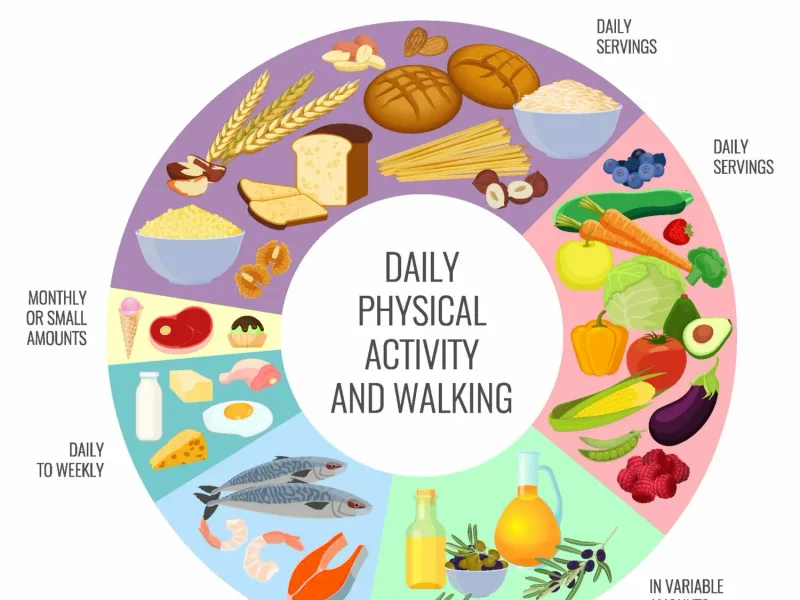
After gallbladder removal, your body needs time to adapt to digesting food without the gallbladder's bile storage function. Initially, it's advisable to stick to a bland diet, avoiding fatty, spicy, and fried foods that can be difficult to digest.
Gradually reintroduce foods, monitoring your body's response. Many people find that incorporating more fiber and lean protein supports digestion.
Over time, most individuals can return to a relatively normal diet. However, some may find they remain sensitive to very high-fat meals. Listening to your body and making mindful dietary choices will help you feel your best.
Consulting with a nutritionist or dietitian can provide personalized guidance. The World Health Organization (WHO) emphasizes a balanced diet rich in fruits, vegetables, and whole grains for overall digestive health.
Recovery is rarely linear.
Potential Risks and Complications
While gallbladder surgery is generally safe, like any surgical procedure, it carries potential risks. These can include bleeding, infection, bile duct injury (a rare but serious complication), blood clots, or adverse reactions to anesthesia.
Injury to the widespread bile duct, which carries bile from the liver to the small intestine, is a key concern, though surgeons employ meticulous techniques to minimize this possibility. 7% according to various surgical literature.
Other less typical complications might include retained gallstones in the bile duct or post-cholecystectomy syndrome, a term encompassing persistent abdominal indicators after surgery. Your surgical team will take all necessary precautions to prevent these issues.
What's the bottom line here? Understanding these potential risks allows for informed consent and preparedness.
Living Without a Gallbladder
The gallbladder acts as a reservoir for bile, which aids in fat digestion. Without it, bile still flows directly from the liver into the small intestine. While this works perfectly well for most people, some individuals may experience digestive changes.
That alone changes everything.
Living with this is genuinely hard for a small percentage who face ongoing discomfort. Think about it this way: your body learns to manage digestion differently.
Many people report no considerable long-term issues after gallbladder removal. They can eat most foods without problems. However, some may find that consuming very fatty meals leads to diarrhea or indigestion.
This is often manageable with dietary adjustments. Staying hydrated and maintaining a healthy weight are also beneficial. The Indian Council of Medical Research (ICMR) supports lifestyle modifications that enhance overall well-being, including dietary prudence.
Cost of Gallbladder Surgery in Gumla
The cost of gallbladder surgery in Gumla can vary based on several factors, including the hospital chosen, the surgeon's fees, the type of procedure (laparoscopic versus open), and any pre-existing medical conditions that might require additional care. Generally, laparoscopic surgery tends to be more cost-proven in the long run due to shorter hospital stays and quicker return to work.
The overall expenditure can range significantly, but approximate figures might fall between INR 50,000 to INR 1,50,000 or more, depending on the specifics.
It is advisable to get a detailed estimate from the hospital and the surgical team. Many hospitals offer package deals that include pre-operative assessments, the surgery itself, and post-operative care.
That's the part worth remembering.
Understanding the components of the cost—such as surgeon's fees, anesthesia charges, operating room fees, and room charges—will assist you budget effectively. Practically speaking, discussing financial concerns openly with the hospital administration can often lead to clearer understandings and potential payment plans.
Key Takeaways
- Gallbladder stones (cholelithiasis) often require surgery, with laparoscopic cholecystectomy being the preferred method in Gumla.
- Laparoscopic surgery offers faster recovery, less pain, and minimal scarring compared to open procedures.
- Choosing an experienced surgeon affiliated with a reputable hospital is crucial for optimal outcomes.
- Post-surgery recovery involves dietary adjustments and following medical advice closely to prevent complications.
- While generally safe, potential risks exist, and individuals should discuss these thoroughly with their physician.
Frequently Asked Questions
Can I eat rice if I have gallbladder stones?
Rice itself is generally considered easy to digest and is often part of a bland diet recommended for digestive issues. However, the preparation method matters. Avoid fried rice or rice dishes heavy with butter, cream, or excessive oil, as high-fat foods can trigger gallbladder pain. Plain boiled or steamed rice is usually well-tolerated.
How long does it take to recover from gallbladder surgery?
Recovery varies by surgical method. Laparoscopic cholecystectomy typically allows for a return to most normal activities within 1-2 weeks, with full recovery in about a month. Open surgery requires a longer recovery, usually 4-6 weeks, with considerable limitations on physical activity during that period.
Will I have digestive problems after gallbladder removal?
Most people adapt well to life without a gallbladder and experience no long-term digestive issues. However, a small percentage may find they are more sensitive to fatty foods, leading to occasional diarrhea or indigestion. Dietary modifications, such as reducing fat intake and increasing fiber, often support manage these signs effectively.
This is where most sufferers struggle.
What are the signs of a complication after gallbladder surgery?
4°F or 38°C), persistent nausea or vomiting, jaundice (yellowing of the skin or eyes), dark urine, or pale stools. Redness, swelling, or discharge from the incision sites also warrants medical attention.
Contact your doctor immediately if you experience any of these indicators.
Always consult a qualified physician before making medical decisions.