Understanding Gallbladder Stones and Their Surgical Solutions in Simdega
Gallbladder stones, medically known as cholelithiasis, are hardened deposits of digestive fluid that can form in your gallbladder. These stones can cause significant discomfort and pain, often referred to as biliary colic.
When symptoms become severe or recurrent, surgery to remove the gallbladder (cholecystectomy) becomes the most effective approach. For residents of Simdega, understanding the available surgical options, the expertise of local physicians, and the recovery process is vital.
We often see people experiencing sharp pain in the upper right abdomen, which might radiate to the shoulder. This pain can last for minutes or hours. What most people miss is that these indicators can sometimes be mistaken for indigestion or gas.
India has a notable burden of gallstone disease, with prevalence rates varying by region and demographic. While specific data for Simdega isn't readily available, national estimates suggest a considerable number of individuals require intervention.
That's the part worth remembering.
Why Gallbladder Removal is Often Necessary
The gallbladder, a small organ beneath the liver, stores bile. When stones obstruct the bile ducts, they can lead to serious complications. These include:
- Cholecystitis: Inflammation of the gallbladder, causing intense pain and fever.
- Choledocholithiasis: Stones blocking the common bile duct, potentially leading to jaundice and infection.
- Pancreatitis: Inflammation of the pancreas, a severe and potentially life-threatening condition.
How serious is this really? Untreated complications can lead to sepsis and require emergency intervention, highlighting the importance of timely medical evaluation.
Surgical Approaches for Gallbladder Stones in Simdega
The gold standard for gallbladder stone removal is cholecystectomy. In Simdega, as across India, two primary surgical methods are employed:
Laparoscopic Cholecystectomy (Keyhole Surgery)
This is the most commonly performed procedure worldwide and in Simdega. It's considered the preferred approach due to its minimally invasive nature. Several tiny incisions (usually 3-4) are made in the abdomen.
A laparoscope (a thin tube with a camera) and specialized surgical instruments are inserted through these openings. The surgeon watches a magnified image of the internal organs on a monitor to guide the instruments and remove the gallbladder.
- Smaller scars, leading to better cosmetic outcomes.
- Reduced post-operative pain compared to open surgery.
- Shorter hospital stays, often just 1-2 days.
- Quicker return to normal activities and work.
In real-world terms, patients often feel significantly better within a week, though full recovery takes longer.
Open Cholecystectomy
This traditional method involves a larger incision (typically 4-6 inches) in the upper right abdomen. It is usually reserved for cases where laparoscopic surgery is not feasible or safe, such as severe inflammation, scarring from previous surgeries, or certain anatomical complexities.
While recovery is generally longer and involves more pain, open surgery remains a reliable option when necessary.
Worth knowing: The choice between laparoscopic and open surgery is made by your surgeon based on your specific issue and medical history.
Finding Expert Surgeons and Hospitals in Simdega
When seeking gallbladder stone surgery in Simdega, it's essential to find experienced physicians. Look for specialists with a strong track record in gastrointestinal or general surgery. Many hospitals in and around Simdega are equipped to perform these procedures. Consider factors like:
That alone changes everything.
- Surgeon's experience and qualifications.
- Hospital accreditations and facilities.
- Patient testimonials and outcomes.
- Availability of post-operative care and support.
Institutions like AIIMS (All India Institute of Medical Sciences) set high standards for surgical care, and while Simdega may have smaller, dedicated centers, the principles of seeking qualified expertise remain the same.
The Procedure and What to Expect
Before surgery, your physician will conduct a thorough evaluation, including physical exams and imaging tests like an ultrasound. You'll receive specific instructions regarding food and medication. On the day of surgery, you'll be given anesthesia to ensure you are comfortable and pain-free. The surgery itself typically lasts about 1-2 hours.
Post-surgery, you'll be monitored in a recovery room. Pain management is a key focus, and you'll be given medication as needed. Most people can drink liquids a few hours after surgery and eat light meals the next day.
So what does that mean for you? Expect some discomfort, but it is manageable with prescribed medication. Nurses will guide you on movement and diet.
Recovery and Post-Operative Care
Recovery time varies, but most people can return to light activities within a week after laparoscopic surgery. Strenuous activities and heavy lifting should be avoided for about 4-6 weeks. Your doctor will provide detailed instructions on wound care and when to seek medical attention for any unusual signs.
The numbers don't lie.
Living with this is genuinely hard, but the relief post-surgery is substantial. Think of it like clearing a blocked drain in your kitchen sink – once it’s clear, everything flows smoothly again.
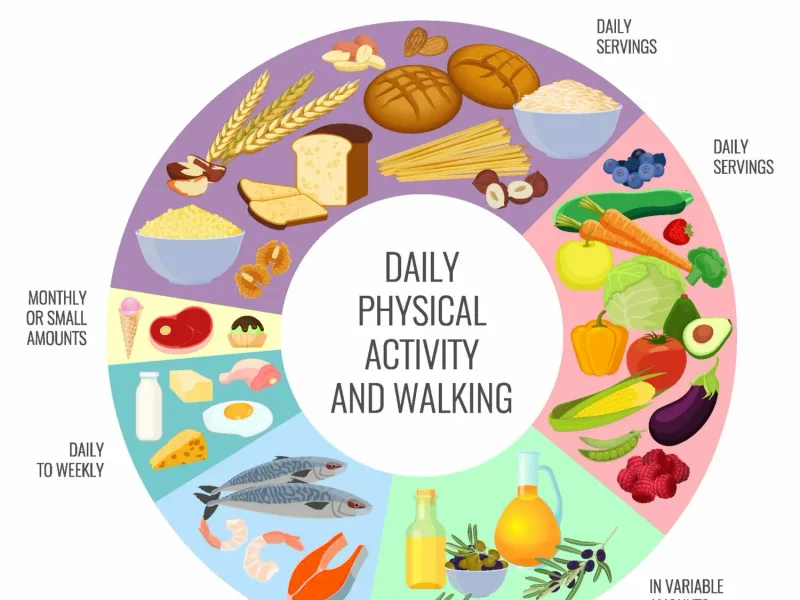
Dietary Adjustments After Gallbladder Removal
Your body can function perfectly well without a gallbladder. Bile will now flow directly from your liver to your small intestine.
Initially, some people experience digestive changes, like bloating or diarrhea, especially after consuming fatty foods. Gradually reintroducing healthy fats and fiber-rich foods typically helps your digestive system adapt.
Key recommendations often include:
- Starting with bland, low-fat foods.
- Increasing fiber intake slowly.
- Avoiding fried, greasy, and spicy foods for a few weeks.
- Eating smaller, more frequent meals.
You'll notice that most people adapt well within a few weeks to months. Consulting a dietitian can provide personalized guidance.
Potential Risks and Complications
While cholecystectomy is a safe procedure, like any surgery, it carries some risks. These are relatively uncommon but can include:
- Bleeding
- Infection
- Injury to surrounding organs (e.g., bile ducts, intestines)
- Bile leak
- Blood clots
Your medical team will take all necessary precautions to minimize these risks. Discuss any concerns openly with your surgeon. This transparency is crucial for building trust.
What most people miss is that the benefits of removing symptomatic gallstones far outweigh the minimal risks associated with the surgery for most individuals.
Cost of Gallbladder Stone Surgery in Simdega
The cost of gallbladder stone surgery in Simdega can vary depending on the type of procedure (laparoscopic vs. open), the hospital chosen, surgeon's fees, and any pre-existing medical conditions requiring additional care. Government hospitals may offer subsidized rates, while private facilities will have different pricing structures.
For an accurate estimate, it is best to consult directly with the hospitals and surgeons in Simdega. Generally, laparoscopic surgery tends to be more cost-impactful in the long run due to shorter hospital stays and faster return to work.
In India, government health schemes and insurance policies often cover such procedures, making them accessible. Always check your eligibility and coverage details.
Key Takeaways
- Gallbladder stones (cholelithiasis) often require surgical removal (cholecystectomy) for relief and to prevent complications.
- Laparoscopic cholecystectomy is the preferred, minimally invasive approach, offering faster recovery and smaller scars.
- Experienced surgeons and accredited hospitals in Simdega provide reliable care for this procedure.
- Post-operative recovery involves dietary adjustments, focusing on low-fat meals initially.
- Risks are minimal, and the benefits of surgery for symptomatic stones are considerable.
Frequently Asked Questions
Can I eat rice if I have gallbladder stones?
Rice, particularly white rice, is a refined carbohydrate and can be consumed in moderation even with gallbladder stones. However, large portions or a diet high in simple carbohydrates without adequate fiber might not be ideal for overall digestive health. Focusing on a balanced diet is key.
That alone changes everything.
How long does it take to recover from gallbladder surgery?
Recovery varies, but most individuals can return to light work and daily activities within one to two weeks after laparoscopic surgery. Full recovery, including the ability to perform strenuous activities, typically takes four to six weeks. Listen to your body and follow your surgeon's specific post-operative instructions.
Will I have digestive problems forever after gallbladder removal?
While some people experience temporary digestive changes like bloating or diarrhea, most adapt well within a few months. Your body can manage without a gallbladder; bile simply flows more continuously from the liver. Dietary adjustments, such as avoiding excessive fatty foods initially, can significantly help your system adjust.
Always consult a qualified physician before making medical decisions.