Understanding Diabetes and Diet in Gaya
Living with diabetes means paying close attention to what you eat. The reality is, food directly impacts your blood sugar levels.
For residents of Gaya, understanding how local dietary habits can be adapted is crucial for effective diabetes management. Many of us have grown up with certain food traditions, and integrating them into a healthy diabetes plan can seem challenging.
We often see people struggling to balance their love for traditional meals with the need to control their glucose. This guide aims to provide practical, Gaya-centric advice. We’ll explore how to make informed food choices using readily available ingredients. Our goal is to empower you with knowledge to enhance your health and well-being.
Key Principles of a Diabetic Diet
A diabetes diet plan focuses on balanced nutrition. It’s not about deprivation, but about smart choices. The primary aim is to maintain stable blood glucose levels, prevent complications, and ensure overall good health. Physicians recommend focusing on:
- Controlled Carbohydrate Intake: Carbohydrates break down into glucose. Choosing complex carbs over simple ones is vital.
- Adequate Protein: Protein helps you feel full and has minimal impact on blood sugar.
- Healthy Fats: Unsaturated fats support heart health, a key concern for those with diabetes.
- High Fiber: Fiber slows sugar absorption and aids digestion.
- Portion Control: Eating appropriate amounts prevents blood sugar spikes.
Worth knowing: Consistency is key. Regular meal timings help regulate your body’s insulin response.
Local Foods in Gaya: Making Smart Choices
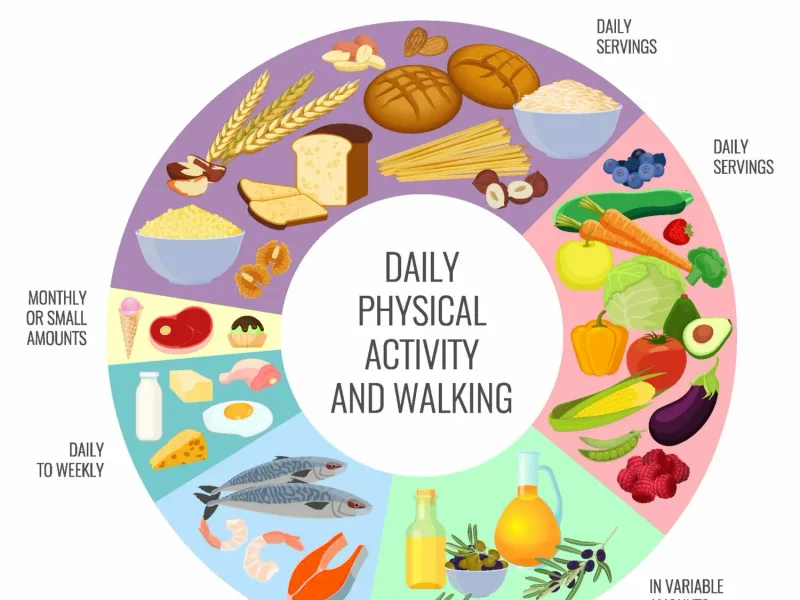
Gaya, like much of Bihar, has a rich culinary heritage. Many traditional dishes can be modified to fit a diabetic diet. Let’s look at some common food groups and how to incorporate them:
Grains and Cereals
Rice is a staple in Gaya. While rice is a carbohydrate, the type and quantity matter. Opt for:
- Brown Rice: It has more fiber than white rice, leading to a slower rise in blood sugar.
- Whole Wheat (Atta): Chapati made from 100% whole wheat is a better alternative to refined flour.
- Millets (Bajra, Jowar, Ragi): These are excellent, fiber-rich alternatives. They are increasingly available and can be used to make rotis or porridge.
How serious is this really? Choosing whole grains over refined ones is one of the most impactful changes you can make.
Lentils and Pulses (Dal)
Dals are a powerhouse of protein and fiber. They are highly recommended. Varieties like:
- Moong Dal
- Masoor Dal
- Arhar Dal
- Chana Dal
These are excellent sources of plant-based protein and are digested slowly. Try to include a bowl of dal in your daily meals. This support is vital for maintaining energy levels.
Vegetables
Vegetables are low in calories and carbohydrates but rich in vitamins, minerals, and fiber. Focus on:
- Leafy Greens: Spinach (Palak), fenugreek leaves (Methi), and other local greens are superb.
- Non-starchy Vegetables: Cauliflower, broccoli, beans, okra (Bhindi), gourds (Lauki, Torai), and tomatoes are great choices.
- Starchy Vegetables in Moderation: Potatoes, sweet potatoes, and peas should be consumed in smaller portions due to their higher carbohydrate content.
The reality is, loading up on non-starchy vegetables can significantly improve your meal's nutritional value without drastically affecting blood sugar.
Fruits
Fruits provide essential vitamins and fiber. However, they also contain natural sugars. Choose fruits with a lower glycemic index (GI):
- Berries (strawberries, blueberries)
- Apples
- Pears
- Guava (Amrood)
- Papaya
Limit high-sugar fruits like mangoes, bananas, and grapes, or consume them in very small portions. Consulting with a local dietitian can assist tailor fruit choices. This approach ensures you get the benefits without the sugar rush.
That alone changes everything.
Dairy and Alternatives
Low-fat dairy products are a good source of protein and calcium.
- Skimmed milk
- Yogurt (Dahi) – plain, unsweetened
- Paneer (cottage cheese)
Avoid full-fat dairy and sweetened yogurt. For those who are lactose intolerant, unsweetened almond or soy milk can be alternatives.
Fats and Oils
Choose healthy fats in moderation. Good options include:
- Mustard oil (traditionally used in Bihar)
- Olive oil
- Groundnut oil
- Nuts and seeds (almonds, walnuts, chia seeds)
Limit saturated and trans fats found in fried foods and processed snacks. The goal is to support your cardiovascular system, which is often affected by diabetes.
Sample Meal Plan for a Day in Gaya
Here is a sample plan that incorporates local tastes while adhering to diabetic guidelines. Remember, portion sizes are crucial.
Early Morning (6:00 AM - 7:00 AM)
A glass of lukewarm water with soaked fenugreek seeds (Methi dana) or a few soaked almonds.
Breakfast (8:00 AM - 9:00 AM)
Option 1: 2 medium whole wheat chapatis with a bowl of mixed vegetable curry (using minimal oil) and a small bowl of plain yogurt.
Option 2: A bowl of vegetable upma made with oats or broken wheat (dalia) and loaded with vegetables.
Option 3: 2 idlis with sambar (ensure sambar is lentil-based with plenty of vegetables and not too high on potato).
Mid-Morning Snack (11:00 AM)
A small bowl of papaya or guava, or a handful of roasted chana (chickpeas).
Lunch (1:00 PM - 2:00 PM)
Option 1: 1 medium bowl of brown rice or 2 small whole wheat rotis, 1 bowl of dal (like moong or masoor), 1 bowl of mixed vegetable sabzi (e.g., bhindi, lauki), and a small salad.
Option 2: A large bowl of vegetable pulao made with brown rice and plenty of vegetables, served with a side of raita (yogurt dip).
Evening Snack (4:30 PM - 5:30 PM)
A cup of unsweetened tea or coffee, with a small plate of sprouts or a handful of unsalted nuts.
Dinner (7:30 PM - 8:30 PM)
Option 1: 2 small whole wheat chapatis with a generous portion of leafy green vegetable curry (like palak paneer made with low-fat paneer and minimal cream) and a light lentil soup.
Option 2: A bowl of khichdi made from mixed dals and vegetables, served with a side of plain yogurt.
Before Bed (Optional, if needed)
A small glass of warm, skimmed milk.
This plan is a template. Individual needs vary, so personalization by a healthcare provider is essential. Living with this condition is genuinely hard, but with the right diet, you can lead a fulfilling life.
Tips for powerful Diabetes Management in Gaya
Hydration
Drink plenty of water throughout the day. Avoid sugary drinks like sodas and packaged juices. Unsweetened herbal teas are also a good choice.
Cooking Methods
Prefer steaming, grilling, baking, or stir-frying over deep-frying. Use minimal oil for tempering (tadka).
Physical Activity
Regular exercise is vital. Brisk walking, yoga, or cycling can significantly aid in managing blood sugar levels. Aim for at least 150 minutes of moderate-intensity aerobic activity per week, as recommended by WHO guidelines.
Mindful Eating
Eat slowly and chew your food thoroughly. Pay attention to hunger and fullness cues. This practice helps prevent overeating and improves digestion.
Regular Monitoring
Monitor your blood glucose levels regularly as advised by your doctor. This data helps in understanding how different foods affect you.
Professional Guidance
Consulting with a registered dietitian or a diabetologist is highly recommended. They can create a personalized meal plan based on your specific health status, lifestyle, and local food availability. Institutions like AIIMS often provide specialized diabetes care.
But why does this happen? Blood sugar levels fluctuate based on food intake, activity, and medication. Understanding these dynamics is key.
usual Myths Debunked
Myth: People with diabetes cannot eat sweets at all.
Reality: Small portions of sweets can be consumed occasionally as part of a balanced meal plan, preferably those made with natural sweeteners or fruits. Moderation is the keyword.
Myth: All carbohydrates are bad for diabetics.
Reality: Complex carbohydrates found in whole grains, lentils, and vegetables are beneficial. They provide energy and fiber. Focus on the type and quantity.
Myth: Diabetics must eat bland food.
Reality: Flavorful meals can be prepared using herbs, spices, and healthy cooking techniques. Indian cuisine offers a vast array of options that can be adapted.
Conclusion: Empowering Your Health Journey
Managing diabetes in Gaya, or anywhere else, requires a proactive approach to diet and lifestyle. By understanding the principles of a balanced diabetic diet and making informed choices about local foods, you can effectively control your blood sugar levels.
That alone changes everything.
Remember, this journey is about making sustainable changes that support your long-term health. Embrace these changes with a positive outlook.
Always consult a qualified physician before making medical decisions.
Frequently Asked Questions
Can I eat rice if I have diabetes?
Yes, you can eat rice, but moderation and type are key. Opt for brown rice or wild rice over white rice, and control your portion size. Pair it with plenty of vegetables and protein to slow sugar absorption.
Is it safe to eat bananas with diabetes?
Bananas are higher in carbohydrates and natural sugars, which can raise blood sugar levels. If you choose to eat a banana, opt for a smaller, slightly unripe one and consume it as part of a balanced meal, not on an empty stomach. Monitor your blood sugar response carefully.
What are the best breakfast options for diabetics in Gaya?
Excellent breakfast options include whole wheat chapatis with vegetable curry, vegetable oats upma, or idli with sambar. Ensure your breakfast includes fiber, protein, and controlled carbohydrates to start your day with stable blood sugar levels.
How can I manage my sweet cravings?
Combat sweet cravings by opting for fresh fruits like berries or apples, or a small portion of dark chocolate (70% cocoa or higher). Staying hydrated and eating regular, balanced meals also helps manage cravings effectively.
Here's where it gets interesting.