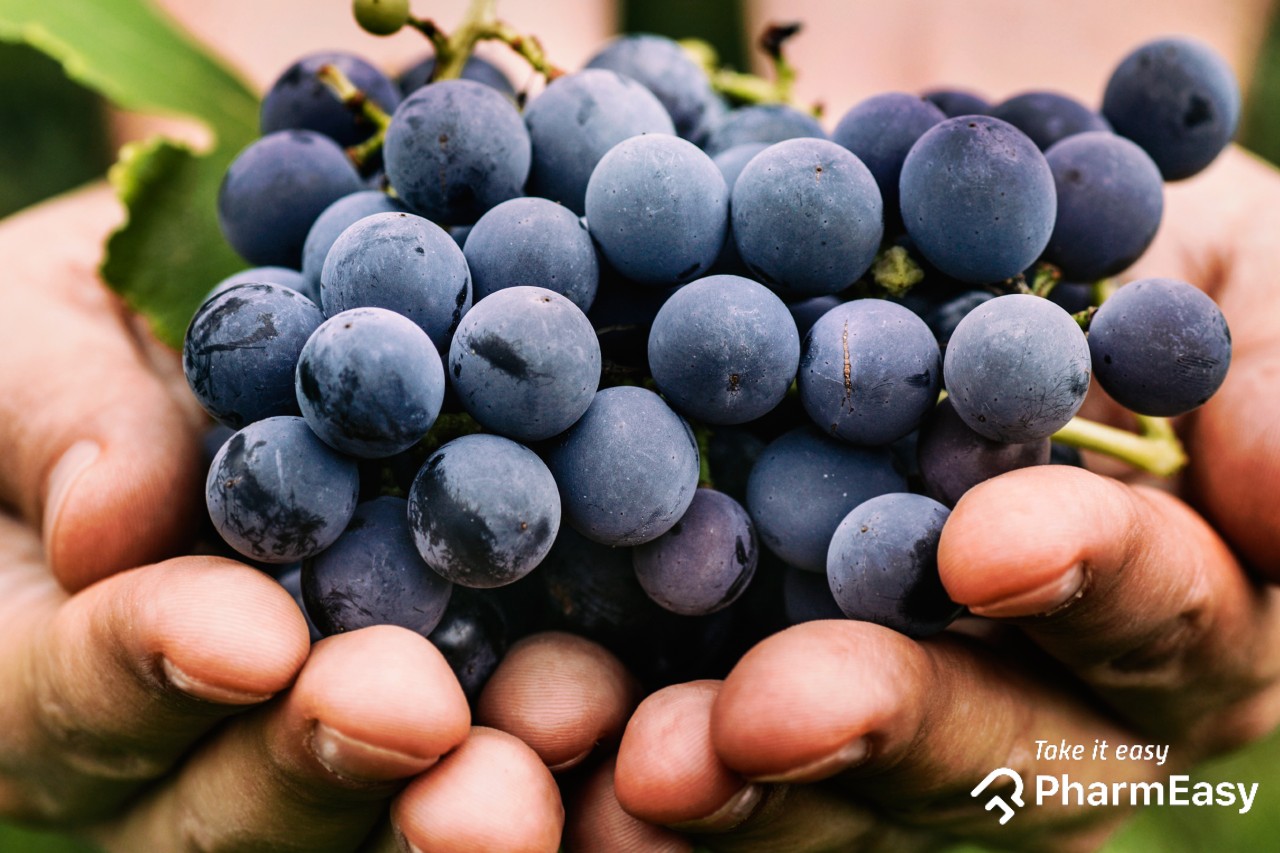
The Wonderful World of Grapes (Angur)
Meena, 45, a homemaker from Jaipur, experienced a persistent weariness that lingered long after her usual post-monsoon recovery period. Her physician recommended increasing her intake of antioxidant-rich foods.
Recalling her grandmother’s strong advocacy for seasonal fruits, Meena chose to include fresh berries, or 'angur' as they are known locally, in her daily meals. Truly, this straightforward dietary adjustment, alongside other suggestions, ultimately helped her feel more vibrant and renewed.
Berries, scientifically classified as Vitis vinifera, stand as one of the most favoured and widely enjoyed fruits across the globe, and for good reason. These small, often oblong fruits grow in bunches and appear in a stunning spectrum of hues – from deep violet and ebony to brilliant emerald and soft rose. Beyond their sweet, invigorating flavour and adaptability in the kitchen, these fruits are a treasure trove of vital nutrients and beneficial elements that can substantially bolster overall vitality and well-being. It's noteworthy that India is a considerable producer of these fruits, with states like Maharashtra, Karnataka, and Tamil Nadu leading cultivation, particularly for wine and table varieties.
Nutritional Snapshot of Berries
A typical portion of these fruits (approximately 1 cup or 151 grams) provides a rich array of vitamins, minerals, and beneficial plant compounds. They are especially celebrated for their antioxidant capabilities. Here's a closer examination of what makes them so nourishing:
- Energy Units: Roughly 104 units per cup.
- Carbohydrates: About 27 grams, primarily natural sugars (fructose and glucose) that supply energy.
- Dietary Fiber: Approximately 1.4 grams, assisting digestive processes.
- Vitamins: An excellent source of Vitamin K (exceeding 18% of the Daily Value, DV) and a good source of Vitamin C (around 4-5% DV).
- Minerals: Contain significant amounts of potassium (about 6% DV), crucial for regulating pressure within the circulatory system, and minor quantities of manganese and copper.
- Antioxidants: Abundant in polyphenols, which include flavonoids and resveratrol. These components are vital for counteracting oxidative strain.
Prime Wellness Advantages of Berries (Angur)
The advantages of incorporating these fruits into your eating plan are vast, substantiated by numerous studies and long-standing traditional knowledge. But what accounts for this? It stems largely from the potent antioxidants and anti-inflammatory characteristics inherent in these fruits.
Recovery is rarely linear.
A Guardian of Circulatory Wellness
These fruits are a major asset for cardiovascular well-being. The abundant polyphenols, notably resveratrol, function as potent antioxidants, helping to shield vascular pathways from harm. Investigations indicate that resveratrol can aid in diminishing inflammation and preventing the oxidation of LDL (unfavourable) cholesterol, a pivotal stage in the progression of arterial stiffening.
What's more,, the potassium present in these fruits assists in managing circulatory pressure by counterbalancing the effects of sodium. In many instances, consistent intake has been associated with improved circulatory flow and a reduced likelihood of cardiac ailments. The World Health Organization (WHO) consistently emphasizes the significance of potassium-rich foods in preventing elevated pressure within the circulatory system.
Support for Metabolic Balance
Although these fruits contain natural sugars, their effect on glucose levels in the bloodstream is multifaceted and often favourable when consumed judiciously. They possess a relatively low glycemic index (GI) when compared to certain other fruits. Crucially, compounds like resveratrol can enhance the body's responsiveness to insulin, helping the system use glucose more efficiently. Research documented in publications such as The Lancet has explored the capacity of polyphenol compounds derived from these fruits in managing metabolic well-being. Nevertheless, individuals managing diabetes should monitor their consumption and seek guidance from their healthcare provider. More than 101 million individuals in India are affected by diabetes (ICMR, 2023), making dietary choices, like mindful consumption of these fruits, a relevant consideration for many.
Potential in Combating Cellular Aberrations
The antioxidant and anti-inflammatory properties of these fruits play a substantial role in their capacity to aid in the fight against cellular abnormalities. Resveratrol, quercetin, and catechins found within them can assist in neutralizing damaging free radicals, which have the capacity to harm genetic material and initiate the development of cancerous growths. These compounds might also impede the proliferation of aberrant cells and trigger programmed cell demise in cancerous tissues.
While further investigation is warranted, particularly extensive human studies, initial findings are encouraging. The International Agency for Research on Cancer (IARC) continues to examine the role of dietary antioxidants in preventing such conditions.
That alone changes everything.
Enhances Cognitive Abilities
Consuming these fruits may sharpen mental acuity and shield the brain from age-related deterioration. The antioxidants present can counteract oxidative strain within the brain, a factor implicated in neurodegenerative conditions such as Alzheimer's. Resveratrol, specifically, has demonstrated the capacity to improve circulatory dynamics to the brain and safeguard nerve cells.
Some studies suggest that extracts can boost memory and learning capacities. The important point here is that the advantages extend to offering protection against strokes by enhancing vascular function.
Aids in Digestive Harmony
The dietary fiber content in these fruits, while moderate, contributes to a well-functioning digestive system. Fiber adds substance to stool, preventing constipation and promoting regular bowel movements.
The water content also helps maintain the digestive tract's hydration and smooth operation. This is particularly beneficial during periods like the monsoon season when digestive discomfort can be more common for certain individuals in India.
Recovery is rarely linear.
Ocular Well-being Guardian
These fruits contain antioxidants such as lutein and zeaxanthin, recognized for their ability to shield the eyes from harmful blue light and reduce the risk of age-related vision decline and clouding of the lens. Resveratrol might also provide protective effects against various ocular concerns.
So, what does this signify for you? It suggests that enjoying these fruits could be a straightforward step toward preserving good eyesight as you mature.
Bolsters the Body's Defences
The Vitamin C content in these fruits contributes to a resilient immune system. Vitamin C is indispensable for the creation and function of white blood cells, which serve as the body's primary line of defence against infections. The antioxidant effects also help diminish bodily inflammation, supporting overall immune system vitality.
Benefits for Skin Radiance
The antioxidants present combat free radical damage, a primary driver of premature skin aging. Resveratrol, found in the skins of deep red and purple varieties, has been studied for its ability to shield skin cells from ultraviolet exposure and lessen the appearance of fine lines.
In truth, integrating foods rich in antioxidants can contribute to a healthier, more luminous complexion from within.
Potential Drawbacks and Considerations
Notwithstanding their numerous advantages, these fruits are not universally suitable for unlimited consumption. It is vital to be aware of possible adverse reactions and exercise necessary caution.
Digestive Discomfort
For some individuals, the elevated sugar and fiber content can lead to digestive disturbances such as loose stools, bloating, or abdominal discomfort, particularly when consumed in large quantities. Beginning with a modest serving is recommended.
The numbers don't lie.
Adverse Reactions
Although uncommon, sensitivities to these fruits can manifest. Symptoms may encompass itching, skin eruptions, or even severe systemic reactions in extreme instances. Should you suspect an intolerance, cease consumption and seek medical counsel.
Interactions with Medications
These fruits, especially their juices, can interact with certain pharmaceuticals, particularly anticoagulants like warfarin, owing to their Vitamin K content. Vitamin K plays a vital role in the body's clotting mechanism.
If you are undergoing treatment, especially for circulatory pressure or blood thinning, it is imperative to discuss your intake of these fruits with your physician. The International Diabetes Federation (IDF) also advises prudence regarding fruit juices for individuals with diabetes.
Residues from Cultivation
Fruits grown using conventional methods may have been exposed to agricultural chemicals. Thoroughly rinsing these fruits under running water before consumption is strongly advised. Selecting organically produced varieties can further minimize exposure.
That's the part worth remembering.
Berries in Indian Culinary Practices and Heritage
These fruits hold a cherished position within Indian gastronomic traditions and cultural fabric. While fresh berries are savoured as a healthful snack, they are also fundamental to various culinary creations. Dried berries ('kishmish'), derived from these fruits, are a staple in Indian confections, desserts like kheer and halwa, and savoury preparations.
Berry beverages are popular, and the expanding Indian wine sector, particularly in areas like Nashik, has elevated Indian wines to international acclaim. During festive periods, a platter of assorted fruits, frequently including these berries, is a typical feature on dining tables, symbolizing abundance and well-being. Sharing a plate of juicy angur during family gatherings, perhaps while seated on the floor, evokes fond memories for many.
Versatile Culinary Applications of Berries
The adaptability of these fruits extends well beyond simple snacking:
- Salads: Impart a touch of sweetness and textural interest to leafy greens or poultry salads.
- Confections: use in tarts, pies, mixed fruit desserts, or as a decorative element. Berry preserves and jellies are also well-liked.
- Accompaniments to Cheese: Excellent when served with cheese selections, offering a sweet counterpoint.
- Beverages and Blends: Process into invigorating drinks or add to mixed smoothies for natural sweetness.
- Savory Entrees: Incorporate into slow-cooked dishes, roasted meats, or sauces to introduce a note of sweetness and tanginess.
- Fermented Products and Condiments: Fermented berries yield wine, and the initial juice can be used to produce vinegar.
Essential Takeaways
- These fruits are rich in antioxidants such as resveratrol, flavonoids, and Vitamin C, providing substantial wellness advantages.
- They promote circulatory well-being by enhancing vascular function and assisting in pressure regulation.
- Consumption may support metabolic balance by improving insulin responsiveness, though moderation is crucial.
- These fruits exhibit potential in counteracting cellular abnormalities due to their antioxidant and anti-inflammatory constituents.
- Be mindful of potential digestive discomfort and interactions with medications, particularly anticoagulants.
Always seek advice from a qualified medical practitioner before making any decisions regarding your physical condition.