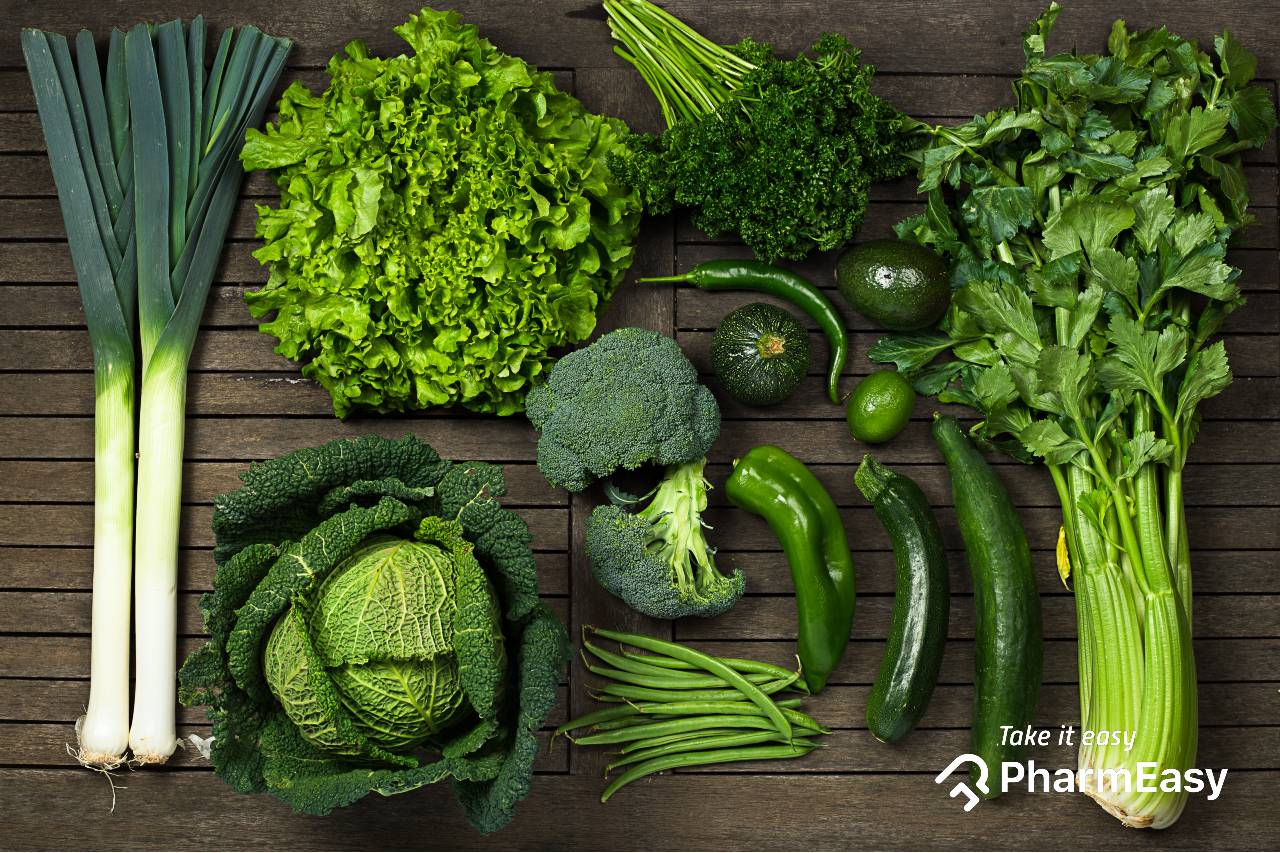
The Power on Your Plate: Embracing Verdant Leafy Produce
Meena, 45, a homemaker from Jaipur, noticed persistent fatigue and frequent colds. Her doctor suggested a dietary overhaul, focusing on simple, readily available foods. Among these, the humble verdant leafy produce emerged as a star player.
Like Meena, millions across India grapple with lifestyle-related ailments, often unaware of the potent natural remedies within easy reach. This is where the vibrant world of verdant leafy produce truly shines, offering a treasure trove of wellness benefits accessible to everyone.
Worth knowing: These plants are not just a side dish; they are nutritional powerhouses, packed with essential compounds and antioxidants that are crucial for maintaining optimal wellness and preventing a myriad of diseases. In India, where traditional diets often incorporate a variety of local produce, understanding their specific benefits can empower individuals to make informed choices for a more healthful life, especially considering the rising tide of non-communicable diseases.
Nutritional Giants: What Makes Produce So Special?
Verdant leafy produce are a cornerstone of a healthful diet, and for good reason. They are exceptionally low in calories but incredibly dense in nutrients. Consider spinach, a staple in many Indian households.
It's an excellent source of Vitamin K, essential for bone strength and blood clotting. A single cup of cooked spinach provides over 900% of your daily Vitamin K requirement!
But why does this happen? The vibrant color itself is a clue, stemming from chlorophyll, which plays a role in plant vitality and has antioxidant properties in humans.
Beyond chlorophyll, these plants are brimming with other vital micronutrients. They provide significant amounts of Vitamin A (in the form of beta-carotene), Vitamin C, folate, iron, calcium, and potassium.
This is where most patients struggle.
Here's the thing: The bioavailability of these nutrients can vary. For instance, the iron in spinach is non-heme iron, which is not as readily absorbed as heme iron from animal sources. However, pairing these plants with Vitamin C-rich foods, like lemon juice or tomatoes, can significantly enhance iron absorption. This is a simple dietary hack that many traditional Indian cuisines naturally employ.
Key Nutrients and Their Roles:
- Vitamins: Essential for countless bodily functions, from immune support (Vitamin C) to cell repair (Vitamin A) and energy metabolism (B vitamins).
- Minerals: Crucial for bone strength (calcium, magnesium), nerve function (potassium), and oxygen transport (iron).
- Antioxidants: Compounds like lutein, zeaxanthin, and beta-carotene combat oxidative stress, protecting cells from damage and potentially reducing the risk of chronic diseases.
- Fiber: Aids digestion, promotes gut wellness, helps regulate blood sugar levels, and contributes to a feeling of fullness, which can be beneficial for weight management.
Wellness Benefits: A Shield Against Disease
The regular consumption of verdant leafy produce is associated with a reduced chance of several chronic wellness conditions. Think about it this way: these plants act as a protective shield for your body. Their rich antioxidant profile helps neutralize harmful free radicals, which are implicated in aging and diseases like cancer and heart disease.
For instance, studies published in The Lancet have indicated that diets rich in these plants are linked to better cardiovascular wellness. The potassium content helps manage blood pressure, while the fiber contributes to lower cholesterol levels. Over 101 million Indians have diabetes (ICMR, 2023), and incorporating fibre-rich plants can play a vital role in blood sugar management for these individuals, making them an indispensable part of a diabetic-friendly diet.
What most people miss: The cognitive benefits are often overlooked. Nutrients like Vitamin K, lutein, folate, and beta-carotene found abundantly in these plants are linked to slower cognitive decline. Research from institutions like the National Institute on Aging (NIA) suggests that these nutrients may help preserve brain function as we age. This is particularly relevant in a society with a growing elderly population.
Specific Wellness Advantages:
- Heart Wellness: Lowering blood pressure and cholesterol levels.
- Diabetes Management: Improving insulin sensitivity and blood sugar control due to high fiber content.
- Bone Wellness: Providing Vitamin K and calcium, crucial for strong bones.
- Eye Wellness: Lutein and zeaxanthin protect against age-related macular degeneration.
- Cancer Prevention: Antioxidants and other compounds may enable inhibit cancer cell growth.
- Improved Digestion: Fiber promotes regular bowel movements and a healthy gut microbiome.
The World Health Organization (WHO) also emphasizes the importance of diets rich in fruits and vegetables for overall well-being. Their recommendations align perfectly with the inclusion of a variety of verdant leafy produce.
A meta-analysis of dietary patterns by the WHO highlighted that higher produce intake is consistently associated with lower mortality rates from cardiovascular diseases and certain cancers.
Incorporating Produce into Your Indian Diet
Integrating these nutritional powerhouses into your daily meals can be surprisingly easy and delicious, especially within the context of Indian cuisine. Forget the bland, boiled preparations; Indian cooking offers a spectrum of vibrant ways to enjoy these plants.
Think of the beloved Palak Paneer, where spinach is cooked with creamy cottage cheese. Sarson ka Saag, a Punjabi winter delicacy made from mustard plants, is another excellent example. Even simple additions can make a difference.
That alone changes everything.
Adding chopped coriander or mint to your dals, chutneys, or raitas provides a fresh burst of flavour and nutrients. During the monsoon season, when fresh produce is abundant, it’s the perfect time to explore dishes like Gongura (sorrel leaves) chutney or Methi (fenugreek) parathas.
So what does that mean for you? It means you don't have to drastically change your eating habits to reap the benefits. Start small.
Practical Tips for Daily Consumption:
- Add to existing dishes: Stir spinach or fenugreek leaves into your sabzis, curries, or even rice preparations.
- Smoothies: Blend a handful of spinach or kale into your morning smoothie for a nutrient boost without altering the taste significantly.
- Salads: Use produce like lettuce, rocket, or even finely chopped cabbage as a base for salads.
- Chutneys and Dips: Fresh herbs like coriander, mint, and dill can be used to make flavourful chutneys and dips.
- Soups: Wilt plants into soups towards the end of cooking.
- Traditional Preparations: Embrace dishes like Saag, Thoran (South Indian stir-fry), or Pui Shaak Bhaji (Bengali style).
When preparing these plants, remember that overcooking can lead to nutrient loss. Opt for quick stir-frying, steaming, or adding them towards the end of the cooking process.
This preserves their vibrant colour and nutritional integrity. For instance, a simple stir-fry of amaranth leaves (Rajgira) with garlic and a touch of chili can be a delicious accompaniment to roti.
A Note on Sourcing: Whenever possible, choose fresh, locally sourced produce. Washing them thoroughly is crucial, especially if you are eating them raw or lightly cooked. Consider growing some herbs like mint or coriander at home if space permits.
Addressing Common Concerns
Some individuals express concern about the oxalate content in certain leafy produce, like spinach. Oxalates can bind with calcium and may contribute to kidney stone formation in susceptible individuals. However, for the vast majority of the population, the benefits of consuming these nutrient-rich foods far outweigh the risks.
Cooking these plants can also enable reduce their oxalate content. On top of that,, ensuring adequate hydration is key to preventing kidney stones.
Another consideration is the Vitamin K content, which can interfere with anticoagulant medications like Warfarin. If you are on such medication, it is essential to maintain a consistent intake of Vitamin K and discuss any dietary changes with your healthcare provider.
A stable intake, rather than complete avoidance, is often recommended. This is a prime example of why personalized medical advice is indispensable.
But why does this happen? These interactions are specific and depend on individual wellness conditions and medications. Medical professionals are trained to consider these factors. Remember, the goal is to integrate these healthful foods safely and effectively into your lifestyle, not to avoid them altogether due to potential, but often manageable, concerns.
The Bottom Line: A More Verdant, Wholesome You
The evidence is clear: verdant leafy produce are fundamental to a healthful diet, offering a wide array of benefits that can protect against chronic diseases and enhance overall well-being. From supporting heart and bone wellness to boosting cognitive function and aiding digestion, these humble plants pack a powerful punch.
The numbers don't lie.
They are a readily available, affordable, and delicious way to improve your wellness, fitting seamlessly into the diverse culinary landscape of India.
Meena, after consistently incorporating more spinach, fenugreek, and other local produce into her diet, reported a considerable improvement in her energy levels and a noticeable reduction in her susceptibility to colds. Her journey underscores the profound impact that simple dietary changes can have.
Embracing a diet rich in verdant leafy produce is not just about eating well; it's about investing in your long-term wellness and vitality.
Key Takeaways:
- Verdant leafy produce are nutrient-dense, low in calories, and rich in essential compounds and antioxidants.
- Regular consumption is linked to improved heart wellness, better blood sugar control, stronger bones, and enhanced eye wellness.
- Indian cuisine offers numerous delicious ways to incorporate produce like spinach, fenugreek, and mustard leaves into daily meals.
- Cooking methods can affect nutrient content; opt for methods that preserve nutrients.
- Consult a healthcare provider regarding potential interactions with medications or specific wellness conditions.
Always consult a qualified physician before making any medical decisions.