Leafy Brew: Uses, Advantages, Adverse Effects By Dr. Smita Barode
Meena, 45, a homemaker from Jaipur, noticed a persistent weariness that wasn't improving despite her best efforts. She also felt her digestion was sluggish, particularly after the rich festive meals common during Diwali.
Recalling her grandmother’s advice about traditional remedies, she decided to incorporate a leafy infusion into her daily routine, hoping for a gentle boost to her overall vitality.
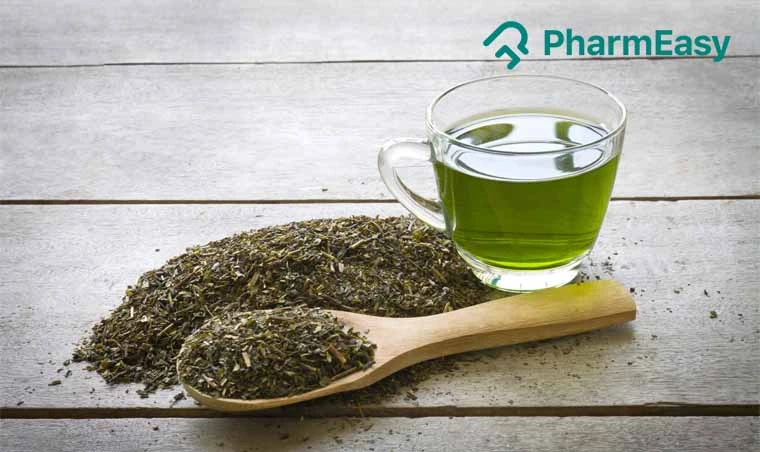
This leafy infusion, a beverage steeped in history and embraced globally, has garnered significant attention for its properties that may foster well-being. Originating in China, its cultivation and use have spread across Asia and now hold a prominent place in many Indian households, often enjoyed as a lighter alternative to traditional chai, especially during warmer months or as a post-meal digestive aid. This humble leaf, derived from the Camellia sinensis plant, is minimally processed compared to black tea, a crucial factor contributing to its rich antioxidant profile.
Practically speaking, the distinction between this type of tea, black tea, and oolong teas lies primarily in their oxidation levels. This specific infusion is steamed or pan-fired shortly after harvesting to prevent oxidation, thus preserving its natural compounds, particularly catechins like epigallocatechin gallate (EGCG).
Black tea, conversely, undergoes full oxidation, leading to a darker colour and a different flavour profile. Oolong tea sits somewhere in between.
The Antioxidant Powerhouse
Have you ever wondered why this type of tea is so often hailed as a wellness elixir? The answer lies in its exceptional antioxidant content.
These compounds combat oxidative stress in the body, a process where unstable molecules called free radicals can damage cells and contribute to chronic diseases. EGCG is the most abundant and potent catechin found in this infusion, and it's believed to be responsible for many of its purported advantages.
Think about it this way: antioxidants act like a shield for your cells, protecting them from damage. A study published in *The Lancet* highlighted the notable role of antioxidants in preventing cellular damage, a key factor in ageing and the development of various illnesses.
Recovery is rarely linear.
Regular intake of antioxidant-rich foods and beverages, like this leafy brew, can contribute positively to overall vitality.
Potential Wellness Advantages of This Leafy Infusion
The scientific community has explored numerous potential advantages of this beverage, with research indicating positive effects across several wellness domains. While individual results may vary, the evidence is compelling enough to warrant consideration.
Weight Management
One of the most popular uses for this infusion is its association with weight management. Several studies suggest that it can boost metabolism and increase fat burning, although the effect is often modest. The catechins, particularly EGCG, may play a role in this by temporarily increasing energy expenditure and fat oxidation.
A meta-analysis published by the *International Journal of Obesity* indicated a small but marked effect of its use on weight reduction. It's important to remember that this beverage is not a magic bullet; it works best when combined with a balanced diet and regular physical activity. Over 101 million Indians have diabetes (ICMR, 2023), and maintaining a healthy weight is crucial for managing this condition and preventing complications.
Heart Wellness
This infusion may also contribute to cardiovascular well-being. Research suggests it can help improve several risk factors for heart disease. These include lowering levels of total and LDL (bad) cholesterol, as well as protecting LDL particles from oxidation—a key step in the development of atherosclerosis.
It sounds simple. It rarely is.
A report from the World Health Organization (WHO) emphasizes the global burden of cardiovascular diseases, making lifestyle interventions like incorporating this beverage increasingly relevant. Studies published in journals like *Circulation* have shown that regular drinkers of this infusion tend to have lower rates of heart disease and stroke.
Brain Function
The stimulant compound present in this beverage, though lower than in coffee, can act as a pick-me-up. This compound blocks an inhibitory neurotransmitter in the brain called adenosine, leading to increased neuronal firing and the release of neurotransmitters like dopamine and norepinephrine. This can elevate mood, vigilance, reaction time, and memory.
On top of that,, the amino acid L-theanine, found in this infusion, works synergistically with the stimulant to produce a calmer, more focused state without the jitteriness often associated with coffee. This combination is particularly beneficial for sustained concentration.
Diabetes Management
For individuals managing or at chance of type 2 diabetes, this leafy brew might offer some support. Some studies suggest that it can elevate insulin sensitivity and reduce blood sugar levels. The International Diabetes Federation (IDF) reports a growing diabetes epidemic worldwide, and lifestyle modifications are key.
That alone changes everything.
While not a substitute for medication or medical advice, incorporating this infusion into a wholesome diet could be a complementary strategy. Its role in influencing glucose metabolism is an area of ongoing research.
Oral Wellness
The catechins present in this infusion possess antibacterial properties that may benefit inhibit the growth of bacteria in the mouth. This can lead to improved dental wellness and a reduction in bad breath.
While regular brushing and flossing remain paramount, the inclusion of this beverage in one's diet might offer an additional layer of protection against frequent oral health issues.
Cancer Prevention (Potential)
While research is still in its early stages and results are mixed, some observational studies have linked intake of this infusion to a lower likelihood of certain types of cancer. The antioxidant and anti-inflammatory properties of EGCG are thought to play a role in protecting cells from DNA damage and inhibiting tumour growth.
However, it is crucial to emphasize that this beverage should not be considered a cancer treatment or a definitive preventative measure. Its role in cancer prevention requires much more robust scientific investigation.
This is where most patients struggle.
How to Prepare and Use This Leafy Infusion
To maximize the advantages and enjoy the subtle flavours of this brew, proper preparation is key. Unlike black tea, it is best brewed with water that is not boiling. Water that is too hot can scald the leaves, resulting in a bitter taste and potentially destroying some of the delicate compounds.
- Water Temperature: Aim for water between 70-80°C (158-176°F). If you don't have a thermometer, let boiling water sit for 2-3 minutes before pouring.
- Steeping Time: Steep the tea leaves for 1-3 minutes. Over-steeping can also lead to bitterness.
- Quality Matters: Opt for high-quality loose-leaf tea or reputable tea bags for the best flavour and nutrient profile. Indian brands often offer excellent quality sourced from regions like Darjeeling and Assam.
The ideal amount of this infusion to use daily is a topic of ongoing discussion. Many studies showing advantages have used amounts equivalent to 3-5 cups per day.
However, starting with 1-2 cups and observing how your body responds is a sensible approach. Worth knowing: The Ayurvedic tradition sometimes recommends specific herbal infusions, and while this beverage isn't a core Ayurvedic herb, its properties align with the goal of balancing bodily humors and promoting detoxification.
Potential Adverse Effects and Precautions
Despite its numerous advantages, this leafy brew is not entirely without potential adverse effects, especially when used in excess or by sensitive individuals. Understanding these is crucial for safe use.
Stimulant Sensitivity
This infusion contains a stimulant, although typically less than coffee. For individuals sensitive to stimulants, using large amounts can lead to insomnia, anxiety, heart palpitations, or digestive upset.
That alone changes everything.
If you experience these symptoms, consider switching to a decaffeinated version or reducing your intake. A typical 8-ounce cup of this infusion contains about 25-29 mg of stimulant, compared to 95 mg in coffee.
Iron Absorption
The tannins present in this infusion can interfere with the absorption of non-heme iron (iron from plant sources). If you suffer from iron deficiency anemia, it is advisable to use this beverage between meals rather than with meals.
This allows your body to absorb iron from food more effectively. This is particularly relevant in India, where prevalence of anemia, especially among women, remains a public health concern.
Interactions with Medications
This leafy brew can potentially interact with certain medications. For example, its stimulant effects might counteract blood thinners or certain heart medications. If you are taking any prescription medications, it is essential to discuss your use of this beverage with your doctor.
Have you ever wondered why your doctor asks about your diet and supplements? It’s to ensure no harmful interactions occur.
Liver Concerns (Rare)
There have been rare reports linking high-dose extract supplements of this infusion to liver problems. These issues are generally associated with concentrated extracts rather than brewed tea. If you are considering extract supplements, proceed with caution and under medical supervision.
Most people overlook this completely.
S. Food and Drug Administration (FDA) has issued warnings regarding the potential risks of concentrated extract products.
Who Should Be Cautious?
Pregnant and breastfeeding women should moderate their intake of this infusion due to its stimulant content. Individuals with pre-existing liver conditions or iron-deficiency anemia should also consult their healthcare provider before making it a regular part of their diet.
Children generally have a lower tolerance for stimulants, so their intake should be limited or avoided.
Key Takeaways
- This infusion is rich in antioxidants, particularly EGCG, which combat cellular damage.
- It may support weight management by boosting metabolism and fat burning, alongside diet and exercise.
- Regular use is associated with improved heart wellness markers like cholesterol levels.
- Potential adverse effects include stimulant-related issues and reduced iron absorption; moderation is key.
- Always consult a qualified physician before making any medical decisions.