Rose Petal Preserve (Gulkand): Uses, Benefits, Side Effects
Meena, 45, a homemaker from Jaipur, experienced a constant burning sensation in her stomach, particularly after meals. She also felt unusually tired, and her skin appeared duller than usual. Her grandmother suggested trying gulkand, a sweet preserve crafted from rose petals, a treat she hadn't enjoyed since childhood. Meena was doubtful but desperate for relief. Following a few weeks of incorporating this rose preserve into her diet, she noticed a significant improvement in her digestion and energy levels.
This common scenario underscores the lasting significance of traditional remedies like gulkand in contemporary India. Prepared by slow-cooking rose petals with sugar, gulkand transcends being merely a sweet confection; it's a source of wellness advantages rooted in Ayurvedic wisdom.
Its soothing properties and abundant nutrient profile render it particularly valuable in a nation frequently contending with summer's heat and ailments linked to modern lifestyles.
Understanding Gulkand: More Than Just Jam
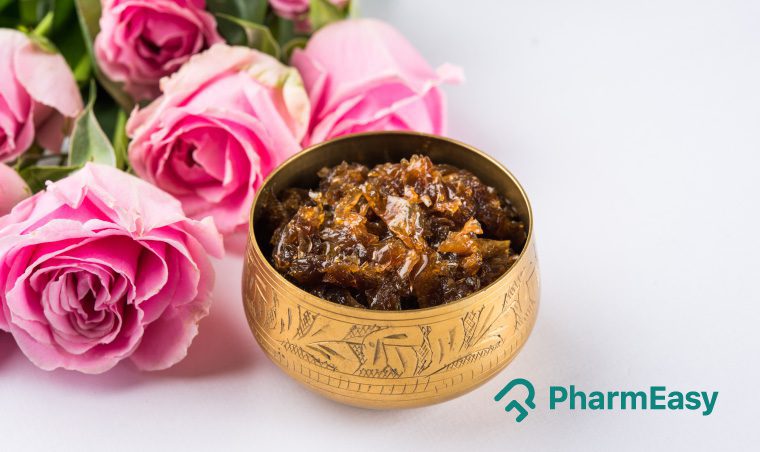
Gulkand, originating from the Persian terms 'gul' (rose) and 'qand' (sugar), has been a fixture in Indian kitchens for centuries. Its preparation involves layering fresh rose petals with sugar in a glass container and exposing it to sunlight for several weeks.
This method not only preserves the petals but also concentrates their beneficial compounds.
The truth is, while many people associate gulkand primarily with desserts or paan masala, its therapeutic applications are extensive. It is believed to balance the 'pitta' dosha in Ayurveda, which is often associated with acidity, inflammation, and issues stemming from internal heat.
The vibrant pink Damask rose (Rosa damascena) is typically favored for its aromatic qualities and medicinal characteristics.
Nutritional Profile of Gulkand
A typical serving of gulkand (approximately 2 tablespoons or 30 grams) contains:
- Calories: Around 100-120 kcal
- Carbohydrates: Primarily derived from sugar, about 25-30g
- Vitamins: Includes Vitamin C, Vitamin A, and various B vitamins.
- Minerals: Provides small quantities of iron, potassium, and calcium.
- Antioxidants: Abundant in flavonoids and polyphenols sourced from rose petals.
What many overlook: Although the sugar content is substantial, the natural compounds present in rose petals offer combined advantages that sugar alone cannot deliver. It is this synergy that holds the therapeutic value.
That's the part worth remembering.
Wellness Benefits of Gulkand
1. Aids Digestion and Relieves Acidity
One of the most lauded advantages of gulkand is its capacity to soothe digestive unease. The gentle nature of rose petals helps calm an irritated stomach lining, offering respite from heartburn and acidity. It functions as a natural regulator and is frequently recommended during the warmer months.
Research published in esteemed journals like The Lancet has investigated the gastroprotective effects of specific plant-derived compounds, and rose extracts show potential in this domain. Consuming a teaspoon of gulkand after meals can stimulate digestive secretions and encourage smoother bowel movements, possibly easing constipation.
Does this scenario resonate with you? Numerous individuals grapple with persistent acidity, often worsened by spicy foods or stress. Gulkand presents a natural, palatable remedy.
2. Boosts Energy and Fights Fatigue
Feeling depleted? Gulkand can serve as a natural invigorator. Its blend of natural sugars provides a rapid energy uplift, while the vitamins and minerals contribute to sustained vigor. The traditional practice of consuming it during hot weather is linked to combating sluggishness caused by the heat.
The presence of Vitamin C also bolsters the immune system, aiding the body in warding off infections and maintaining general well-being. Over 101 million Indians have diabetes (ICMR, 2023), and while gulkand contains sugar, its moderate use can be integrated into a balanced diet for non-diabetics seeking natural energy sources.
3. Improves Skin Health
The antioxidant power of gulkand makes it a potent ally for your skin. Antioxidants neutralize free radicals, which are responsible for premature aging, wrinkles, and dullness. Regular intake can result in clearer, brighter, and more youthful-looking skin.
That's the part worth remembering.
In all honesty, the connection between gut wellness and skin condition is increasingly recognized. By enhancing digestion and reducing inflammation, gulkand indirectly contributes to a clearer complexion. Its soothing effect can also help calm minor skin irritations and diminish redness.
4. Natural Detoxifier
Gulkand functions as a gentle detoxifier, assisting in cleansing the body by eliminating impurities. Its characteristics support liver function and promote the expulsion of waste materials. This cleansing action can contribute to improved overall vitality and well-being.
5. Benefits for Women's Health
Traditionally, gulkand is suggested for women to benefit manage menstrual discomfort and irregular cycles. Its soothing and anti-inflammatory qualities are thought to provide relief from cramps and mood fluctuations associated with menstruation. It is also believed to enable lessen excessive bleeding in certain situations.
Additionally, it is considered beneficial during menopause, potentially easing symptoms like hot flashes due to its mild nature. The iron content, although minimal, can also aid address anemia, a prevalent issue among women in India.
It sounds simple. It rarely is.
6. Cooling Agent and Heatstroke Prevention
During the intense Indian summers, heatstroke poses a marked risk. Gulkand's inherent mild properties make it an excellent preventative measure. Consuming it consistently can enable regulate body temperature and lower the likelihood of heat exhaustion and heatstroke.
It's valuable to know: Many people in India traditionally consume refreshing foods and beverages during summer, such as sherbets and cooling pastes. Gulkand fits seamlessly into this preventative wellness strategy, particularly when taken with milk or water.
7. Eye Health Support
According to Ayurvedic texts, gulkand can be advantageous for ocular well-being. Its gentle characteristics are believed to aid reduce eye strain, dryness, and redness, especially for individuals who spend extended periods before screens or are exposed to challenging environmental conditions.
What action should you take? Combine a teaspoon of gulkand in a glass of lukewarm milk and consume it before retiring for the night. This practice is thought to soothe the eyes and promote restorative sleep.
This is where most patients struggle.
8. Potential Aphrodisiac Properties
While not a primary medical application, some historical texts suggest gulkand may possess mild properties that enhance desire, possibly by improving circulation and reducing stress. This is often attributed to the fragrant compounds found in rose petals.
How to Consume Gulkand
Incorporating gulkand into your dietary regimen is straightforward and adaptable:
- With Milk: A classic and effective method involves mixing 1-2 teaspoons of gulkand into a glass of warm or cold milk. This is frequently consumed before sleep.
- As a Spread: Use it as a spread on toast or roti for a sweet and wholesome breakfast choice.
- In Desserts: Add it to ice creams, kulfi, or yogurt for a distinctive floral taste and added wellness benefits.
- In Paan: Many relish gulkand as a filling in 'paan' after meals, which aids digestion.
- Plain: Simply consume 1-2 teaspoons on an empty stomach in the morning or after meals.
The quantity generally advised is 1-2 teaspoons daily. Exceeding this might lead to undesirable outcomes due to the elevated sugar concentration.
Potential Side Effects and Precautions
While generally safe for most individuals, consuming gulkand in excess can result in adverse reactions. The primary consideration is its considerable sugar level.
1. High Sugar Content
Individuals with diabetes or those monitoring their sugar intake should use gulkand with extreme caution or abstain from it entirely. The World Health Organization (WHO) advises limiting free sugar consumption, and gulkand contributes substantially to this daily intake.
Does this sound familiar? Many traditional Indian confections are high in sugar, and gulkand is no exception. Restraint is essential.
2. Weight Gain
Owing to its elevated calorie and sugar content, consuming large quantities of gulkand can contribute to weight gain over time. It is important to account for this in your daily caloric allowance.
3. Acidity (Paradoxical Effect)
Although gulkand is recognized for alleviating acidity, in a few rare instances, or if consumed excessively, the high sugar content might paradoxically increase the production of stomach acid in susceptible individuals.
4. Allergic Reactions
Although infrequent, some individuals might exhibit sensitivity to roses or other components used in gulkand preparation. Discontinue use if any allergic response manifests.
When to Consult a Doctor
If you have diabetes, are pregnant or nursing, or have any pre-existing medical conditions, it is vital to consult your physician or a qualified Ayurvedic practitioner before regularly incorporating gulkand into your diet.
Here's where it gets interesting.
What action should you take? Discuss the appropriate intake level and potential interactions with your healthcare provider, particularly if you are taking any medications.
Summary: A Sweet Solution with Considerations
Gulkand, with its rich heritage and array of advantages, provides a pleasant and natural method to address typical wellness concerns such as acidity, weariness, and skin issues. Its soothing characteristics make it an ideal accompaniment for the Indian climate.
Nevertheless, its considerable sugar level necessitates thoughtful consumption, particularly for individuals managing health conditions like diabetes.
When taken in moderation and as part of a balanced lifestyle, gulkand can be a valuable addition to your wellness regimen. Understanding your body's requirements and seeking guidance from healthcare professionals ensures you can safely enjoy the benefits of this traditional rose petal preserve.
Key Points:
- Gulkand is a traditional Indian preserve made from rose petals and sugar, recognized for its mild properties.
- It offers benefits for digestion, acidity, energy levels, skin disorder, and can aid in preventing heatstroke.
- Key nutrients include vitamins, minerals, and potent antioxidants from rose petals.
- Overconsumption can lead to adverse effects due to high sugar and calorie content, particularly concerning for those with diabetes.
- Seek advice from a healthcare professional before use, especially if you have existing health concerns.
Always consult a qualified medical practitioner before making any health-related decisions.