Understanding Hair Fall: When to Seek a Specialist in Lohardaga
We often see people experiencing hair fall. It’s a common concern that can affect anyone. Thinning hair or noticeable bald patches can impact self-esteem significantly. India faces this challenge too; studies suggest up to 60% of men and 30% of women experience some form of hair loss by age 50 (AIIMS data, approximate). If you're in Lohardaga and noticing excessive hair fall, seeking expert help is vital. A hair fall specialist, often a dermatologist with specialized training, can diagnose the root cause and guide you toward effective solutions.
What is Excessive Hair Fall?
Losing 50-100 hairs daily is normal. Beyond this, it might signal a problem. This can manifest as diffuse thinning, receding hairlines, or even bald spots. The reality is, identifying the exact cause is the first step toward successful treatment. Factors range from genetics and hormonal changes to stress and nutritional deficiencies.
frequent Causes of Hair Fall
Several factors contribute to hair loss:
- Genetics: Androgenetic alopecia (male/female pattern baldness) is the most typical cause, accounting for a vast majority of hair loss cases.
- Hormonal Changes: Pregnancy, childbirth, menopause, and thyroid issues can trigger temporary or permanent hair fall.
- Medical Conditions: Scalp infections (like ringworm), autoimmune diseases (alopecia areata), and chronic illnesses can cause hair loss.
- Medications: Certain drugs used for cancer, arthritis, depression, heart problems, and high blood pressure may have hair loss as a side effect.
- Stress: Significant physical or emotional stress can lead to telogen effluvium, a condition where hair shifts prematurely into the shedding phase.
- Nutritional Deficiencies: Lack of iron, protein, zinc, and certain vitamins can weaken hair follicles. India's diverse dietary landscape means deficiencies are not uncommon.
Finding a Hair Fall Specialist in Lohardaga
When these typical issues persist, it’s time to consult a professional. A dermatologist is your go-to specialist. They possess the medical expertise to diagnose complex hair and scalp conditions. Here's the thing, finding the right doctor in Lohardaga can make all the difference.
What to Look For in a Specialist
When searching for a hair fall specialist in Lohardaga, consider these points:
- Qualifications: Look for a dermatologist (MD/DDVL) with experience in trichology (the study of hair and scalp).
- Experience: How long have they been treating hair loss patients? Have they handled cases similar to yours?
- Diagnostic Tools: Does the clinic offer tools like dermoscopy (magnified scalp examination) or blood tests to identify deficiencies?
- care Options: Ensure they offer a range of evidence-based therapies, not just one-size-fits-all solutions.
- Patient Reviews: What do other people say about their experience and the outcomes?
The Consultation Process
Your first visit will likely involve a detailed discussion. The physician will ask about your medical history, diet, lifestyle, and family history of hair loss. They will perform a physical examination of your scalp and hair. In many cases, blood tests might be ordered to check for underlying issues like thyroid problems or iron deficiency. This thorough approach ensures an accurate diagnosis. What should you actually do? Gather all relevant medical information beforehand.
Advanced Diagnostic Techniques
Modern dermatology offers sophisticated ways to pinpoint hair loss causes. These are often available at reputable clinics in cities like Lohardaga or nearby medical hubs.
Dermoscopy
Dermoscopy uses a specialized magnifying lens. It allows the doctor to examine the scalp and hair follicles in great detail. This helps identify subtle changes indicative of specific conditions, like miniaturization of hair follicles in pattern baldness or inflammation in scalp disorders. This tool is crucial for early and accurate detection.
Blood Tests
As mentioned, blood work is vital. Tests can reveal:
- Thyroid hormone levels (TSH, T3, T4)
- Iron levels (ferritin, hemoglobin)
- Vitamin D levels
- Zinc levels
- Hormonal profiles (in specific cases)
These tests support rule out or confirm systemic issues contributing to your hair fall. Relying on a qualified physician for interpretation is key.
powerful Treatments for Hair Fall
Once diagnosed, your specialist will recommend a personalized care plan. The goal is to stop further loss and encourage regrowth. Worth knowing: management effectiveness varies based on the cause and individual response.
Medications
Topical and oral medications are frequent first-line therapies.
- Minoxidil: Available over-the-counter, this topical solution can stimulate hair growth. It's applied directly to the scalp.
- Finasteride: A prescription oral medication primarily for men. It works by blocking a hormone that shrinks hair follicles.
- Spironolactone: Often prescribed for women, this medication can benefit with hormonal hair loss.
Low-Level Laser Therapy (LLLT)
LLLT uses specific wavelengths of light to stimulate hair follicles. Devices range from combs and helmets to caps. Clinical studies, including those published in journals like *The Lancet*, suggest LLLT can improve hair density and thickness for some individuals. This approach is non-invasive and generally well-tolerated.
Platelet-Rich Plasma (PRP) Therapy
PRP therapy involves drawing your blood, concentrating the platelets, and injecting this plasma into your scalp. Platelets contain growth factors that can stimulate dormant hair follicles. Several studies indicate PRP can be an impactful supportive therapy for various types of hair loss, particularly androgenetic alopecia. Expect multiple sessions for optimal results.
Hair Transplant Surgery
For advanced cases of permanent hair loss, surgical options exist. Procedures like Follicular Unit Transplantation (FUT) and Follicular Unit Extraction (FUE) move hair follicles from denser areas of the scalp to thinning or bald areas. This provides a permanent solution, though it requires a major commitment and recovery period. The success rates are high when performed by experienced surgeons.
Lifestyle and Nutritional Support
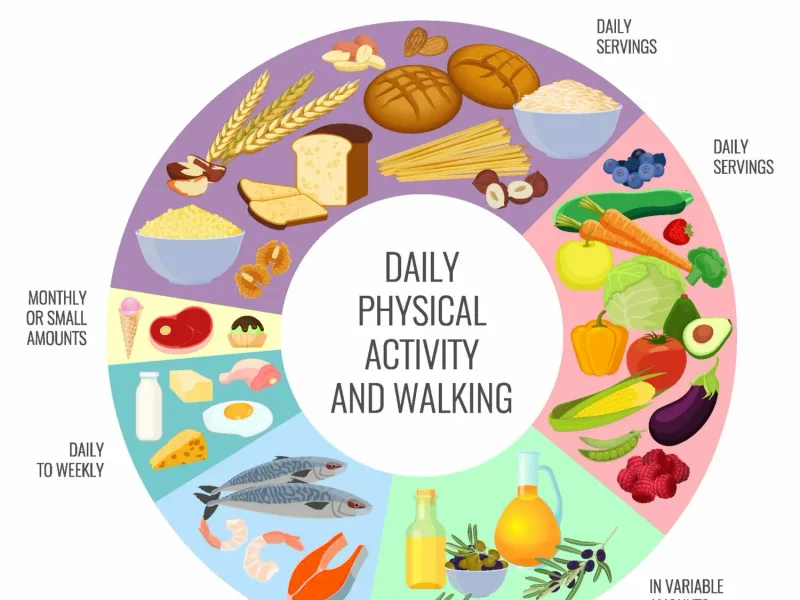
Complementary approaches are crucial. A balanced diet rich in protein, vitamins (especially biotin and D), and minerals (iron, zinc) is vital. Managing stress through techniques like yoga or meditation can also aid. India’s rich culinary traditions offer many foods beneficial for hair health – think dals, leafy greens, and nuts. Living with constant hair fall is genuinely hard, but these supportive measures can significantly boost approach efficacy.
Preventive Hair Care Tips
While specialists address existing issues, daily habits matter.
- Gentle Hair Care: Avoid harsh chemicals, tight hairstyles, and excessive heat styling. Use mild shampoos.
- Scalp Hygiene: Keep your scalp clean to prevent infections.
- Balanced Diet: Ensure adequate intake of nutrients essential for hair growth.
- Hydration: Drink plenty of water throughout the day.
What's the bottom line here? Proactive care strengthens your hair and scalp.
Key Takeaways
- Excessive hair fall (over 100 hairs daily) warrants medical attention.
- Genetics, hormones, stress, and nutrition are typical triggers for hair loss.
- Dermatologists specializing in trichology offer expert diagnosis and therapy.
- impactful treatments include medications (Minoxidil, Finasteride), LLLT, PRP, and hair transplant surgery.
- Lifestyle changes and a balanced diet play a supportive role in hair health.
Remember, seeking timely aid from a qualified hair fall specialist in Lohardaga can lead to notable improvements. Don't let hair loss affect your confidence. Take the step towards healthier hair today!
Always consult a qualified physician before making medical decisions.
Frequently Asked Questions
Can I use home remedies for hair fall?
While some home remedies might offer temporary benefits for scalp health, they are generally not powerful for treating underlying medical causes of major hair fall. It's best to consult a specialist for a proper diagnosis and evidence-based intervention plan.
How long does it take to see results from hair fall management?
Results vary depending on the cause and management. Medical treatments like Minoxidil may show improvements in 3-6 months, while hair transplants take longer as the transplanted hair needs to grow. Patience is key.
Is hair fall permanent?
Hair fall can be temporary or permanent. Temporary hair loss, often due to stress or nutritional deficiencies, usually resolves once the cause is addressed. Permanent hair loss, like genetic pattern baldness, requires ongoing management or procedures like hair transplantation.
Can stress cause irreversible hair loss?
While severe stress can trigger temporary hair shedding (telogen effluvium), it's usually reversible. Chronic, unmanaged stress, however, can exacerbate underlying conditions like androgenetic alopecia, potentially leading to more persistent hair thinning.
And yet, so many people miss it.