Understanding the HbA1c Test in Siwan
The HbA1c test, also known as the glycated hemoglobin test, serves as an essential diagnostic instrument for managing a metabolic disorder. This assessment provides a comprehensive view of an individual's average sugar concentrations over the preceding 2-3 months.
Within Siwan, obtaining this critical examination is uncomplicated, thereby allowing people to proactively address their health condition effectively.
Many individuals have heard of HbA1c, but its true significance for health often remains unclear. More than just a solitary sugar measurement, this test indicates the amount of sugar that has bonded with hemoglobin, which is the protein found in red circulatory cells responsible for oxygen transport.
When sugar concentrations are elevated, more sugar binds to hemoglobin.
Why is the HbA1c Test Crucial?
This examination offers several key benefits when compared to traditional daily sugar monitoring:
- Long-term perspective: Unlike the daily finger-prick tests, an HbA1c provides an average reading, which smooths out day-to-day variations. This offers a more dependable indicator of overall sugar regulation.
- disorder diagnosis: For diagnosing pre-diabetic states and the full metabolic disorder, the HbA1c test is a standard approach, as recommended by the World Health Organization (WHO).
- Treatment effectiveness: Physicians use HbA1c readings to evaluate the efficacy of a current management strategy for the problem. Adjustments to therapeutic plans can be made based on these figures.
- Risk assessment: Consistently elevated HbA1c values signal an increased likelihood of developing long-term complications associated with the metabolic disorder, such as heart ailments, kidney impairment, and nerve damage.
From a practical standpoint, comprehending one's HbA1c score is fundamental for controlling the problem and preventing its debilitating consequences. Have you ever considered why healthcare providers emphasize this particular assessment?
What Do HbA1c Readings Mean?
HbA1c findings are presented as a percentage. Here is a general interpretation, though specific targets might differ based on individual health parameters and medical recommendations:
- Below 5.7%: Considered within the normal range.
- 5.7% to 6.4%: This range signifies pre-diabetic status, a state where sugar concentrations are higher than normal but not yet sufficiently elevated for a diagnosis of type 2 of the metabolic disorder.
- 6.5% or higher: This range suggests the presence of the concern. Typically, two separate tests with figures at or above this threshold are required for a definitive diagnosis.
For individuals already diagnosed with the concern, the American Diabetes Association (ADA) proposes a target HbA1c value of below 7%. This significantly aids in reducing the possibility of developing microvascular complications (such as damage to eyes, kidneys, and nerves) and macrovascular complications (like heart attack and stroke). Medical practitioners in Siwan frequently employ this benchmark to guide patient care.
Achieving and sustaining a target HbA1c concentration is, in reality, a collaborative endeavor between the patient and their healthcare provider. It necessitates consistent monitoring and adherence to the prescribed care regimen.
And yet, so many people miss it.
Where to Get an HbA1c Test in Siwan
Identifying a reputable diagnostic facility for your HbA1c examination in Siwan is paramount. Several well-regarded pathology laboratories and diagnostic centers are equipped to perform this assessment accurately. Some recognized options include:
- Local Diagnostic Centers: Many established laboratories in this region offer HbA1c testing. It is advisable to inquire about their processing time and quality accreditations.
- Hospital Laboratories: Major hospitals throughout Siwan often feature in-house diagnostic facilities that provide HbA1c testing services.
- Mobile Phlebotomy Services: Some centers may offer collection services at home, which provides convenience for elderly patients or those facing mobility challenges.
When selecting a laboratory, consider aspects such as proximity, expense, and the facility's reputation. Always ensure the lab utilizes standardized methodologies for accurate findings. For instance, laboratories accredited by the National Accreditation Board for Testing and Calibration Laboratories (NABL) uphold rigorous quality control measures.
Preparing for Your HbA1c Test
One of the notable advantages of the HbA1c examination is that it typically does not necessitate fasting. Before the test, you can usually consume food and beverages as normal. However, it is always best to verify this with the laboratory or your doctor when scheduling the appointment.
Why is this the case? Unlike a fasting sugar test, the HbA1c measures average sugar over an extended period, rendering pre-test fasting unnecessary. This convenience represents a significant benefit for many sufferers.
That's the part worth remembering.
Interpreting and Acting on Your Readings
Receiving your HbA1c findings marks only the initial step. The most critical component involves discussing them with your physician.
They will interpret the figures within the context of your overall health, medical background, and other diagnostic data. Based on this, they will recommend or adjust your management strategy for the metabolic disorder.
Living with the issue is undeniably challenging, and its management demands commitment. Your doctor, often supported by dietitians and educators specializing in the issue, will help you understand how lifestyle adjustments can influence your HbA1c values.
This might involve dietary modifications – perhaps reducing the intake of sugary treats commonly found in Indian households – and increasing physical activity.
If your HbA1c value surpasses your target, do not despair. Small, consistent changes can yield substantial improvements. Consider it akin to progressively refining your culinary abilities; each minor enhancement contributes to a far superior final dish over time.
Factors Influencing HbA1c Values
Several elements can affect your HbA1c readings, beyond merely your daily sugar regulation:
- Anemia: Specific types of anemia can impact the turnover of red circulatory cells, potentially altering HbA1c measurements.
- Kidney Disease: Chronic kidney impairment can influence hemoglobin concentrations.
- Recent Circulatory Transfusions: These can temporarily skew the figures.
- Certain Medications: Some pharmaceutical agents might affect the lifespan of red circulatory cells or sugar metabolism.
It is imperative to inform your doctor about any existing health conditions or medications you are currently taking. This ensures an accurate interpretation of your HbA1c examination.
The Role of Lifestyle in HbA1c Management
The foundation of effective management for this health problem rests upon lifestyle modifications. For those in Siwan addressing this metabolic challenge, integrating healthy habits is paramount:
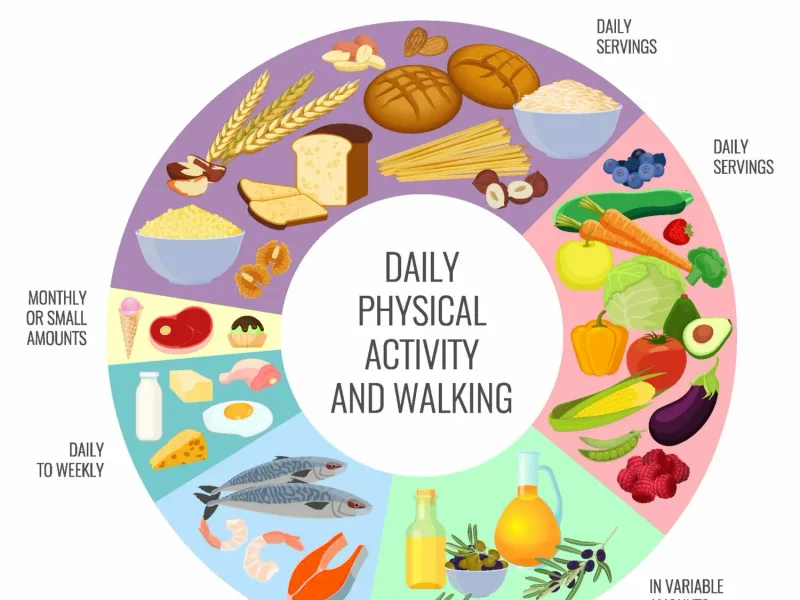
- Diet: Prioritize a balanced eating plan rich in whole grains, lean proteins, fruits, and vegetables. Limit processed foods, sweetened drinks, and excessive saturated fats. Consulting a nutritionist for a personalized meal plan, perhaps one that incorporates traditional Indian cuisine in a healthier manner, is advisable.
- Exercise: Aim for a minimum of 150 minutes of moderate-intensity aerobic physical activity per week, such as brisk walking, cycling, or swimming. Strength training exercises also offer benefits.
- Weight Management: For individuals who are overweight or obese, even a modest weight reduction can significantly enhance insulin sensitivity and lower HbA1c concentrations.
- Stress Management: Persistent stress can elevate sugar levels. Techniques such as yoga, meditation, or deep breathing exercises can provide assistance.
- Regular Check-ups: Consistent follow-up appointments with your physician are vital for monitoring progress and implementing necessary adjustments to your care strategy.
Consistent effort in these domains genuinely empowers individuals to assume control of their health and potentially reverse pre-diabetic states or manage the full metabolic disorder more effectively.
Conclusion: Empowering Health Through HbA1c Testing
The HbA1c test stands as an indispensable instrument for diagnosing and managing the metabolic disorder. In Siwan, access to this assessment is readily available, enabling individuals to comprehend their long-term sugar regulation.
Recovery is rarely linear.
By collaborating closely with healthcare providers and adopting a healthy lifestyle, controlling this health problem becomes a more attainable objective. Remember, proactive health management represents the most impactful strategy for a longer, healthier existence.
Frequently Asked Questions
How often should an HbA1c test be performed?
For individuals with the metabolic disorder, it is generally recommended to undergo an HbA1c examination at least twice annually. If sugar regulation is unstable or a management plan has recently changed, your doctor might suggest more frequent testing, possibly every three months.
Can rice be consumed by individuals with a metabolic disorder?
Yes, people with the disorder can eat rice, but careful portion control and the type of rice are essential. Opt for brown rice or other whole-grain varieties over white rice, as these possess a lower glycemic index and release sugar more gradually. Moderation is key, and it should form part of a balanced meal plan.
What is the target HbA1c for most adults managing this concern?
According to prominent health organizations like the American Diabetes Association (ADA), a target HbA1c value of less than 7% is typically advised for most adults with the situation. However, this target can be customized based on factors such as age, health status, and the chance of hypoglycemia.
Here's where it gets interesting.
Does the HbA1c test measure current sugar concentrations?
No, the HbA1c test does not measure your immediate sugar concentration. Instead, it provides an average of your sugar readings over the preceding 2-3 months. This offers a broader perspective of your long-term sugar regulation compared to a single finger-prick test.