Emergency Cardiovascular Services in Latehar
Experiencing discomfort in the thoracic region or suspecting an acute coronary event in this district? Prompt intervention is vital. India witnesses over 2.1 million deaths from cardiovascular diseases annually (ICMR, 2023). Awareness of warning signs and access to appropriate assistance can preserve life. This resource details the indicators of a myocardial infarction, outlines immediate steps, and explains how to locate specialized heart services in the region.
Understanding Indicators of a Myocardial Infarction
An acute myocardial infarction, commonly referred to as a heart attack, occurs when blood flow to a portion of the myocardium is blocked. It is often overlooked that clinical manifestations can differ significantly between individuals, particularly between men and women. Frequently observed signs encompass:
- Thoracic Discomfort: This is the primary manifestation. It may present as pressure, squeezing, fullness, or pain in the central thoracic region. This sensation might persist for more than a few minutes or may subside and then recur.
- Radiating Discomfort: Sensation may extend to the shoulders, neck, jaw, back, or upper extremities (frequently the left arm).
- Dyspnea: This difficulty breathing can manifest independently or alongside thoracic discomfort.
- Accompanying Symptoms: Diaphoresis (cold sweats), feelings of sickness, emesis (vomiting), or dizziness are also frequently observed.
Prompt action is vital. Should an individual or someone in their vicinity exhibit these signs, immediate response is imperative, as each passing moment holds significance.
Urgent Actions for Suspected Myocardial Infarction
In cases of acute coronary events, the adage "time is muscle" holds true. A swift reaction dramatically influences both prognosis and recuperation. The American Heart Association (AHA) emphasizes the necessity of immediate intervention.
- Activate Emergency Medical Services Without Delay: Immediately contact 108 or the designated local emergency number. Self-transportation to a medical facility is strongly discouraged, as emergency responders can commence critical care during transit.
- Administer Aspirin (Only if Directed): Provided there are no known allergies or contraindications, masticating one adult-strength (325 mg) or four low-dose (81 mg) aspirin tablets may aid in reducing blood viscosity and clot formation. Adhere strictly to instructions from emergency dispatchers or medical personnel.
- Maintain Composure: Despite the inherent difficulty, endeavor to remain as tranquil as feasible. Assume a comfortable seated or recumbent posture.
These preliminary interventions, in practical application, can secure invaluable time. Numerous accounts highlight instances where timely responses proved decisive.
Locating Specialized Medical Professionals for Acute Coronary Events in Latehar
This region, akin to numerous other districts across India, strives to enhance availability of specialized cardiovascular services. Though a dedicated facility for heart conditions may not be situated within the district boundaries, various avenues are available for obtaining prompt medical assistance.
- District Hospitals and Primary Care Facilities (PHCs): These establishments possess the capability for initial evaluation and stabilization. They are able to provide fundamental life support and facilitate patient transfer to more advanced centers. India employs over 1.5 million healthcare professionals serving its rural populations (National Health Profile, 2023).
- Transfer to Proximate Major Medical Centers: Patients requiring conclusive treatment are frequently directed to larger hospitals in Ranchi or other significant urban areas. These institutions employ specialized physicians focusing on the cardiovascular system and surgeons trained in heart procedures. AIIMS (All India Institute of Medical Sciences) facilities, while not located within this district, represent national standards for heart-related services.
- Remote Medical Consultations: Telemedicine is progressively closing service disparities in rural medical provision. Experts can offer distant consultations and advice, particularly for subsequent management or initial evaluation.
Individuals seeking medical attention should identify practitioners with specialized knowledge in cardiology. A cardiologist is a medical professional dedicated to the diagnosis and management of conditions affecting the cardiovascular system.
Hospital Protocols Upon Arrival
Upon reaching a medical institution, individuals should anticipate a swift diagnostic evaluation. Clinicians will prioritize verifying the condition and commencing suitable care. This frequently includes:
- Electrocardiogram (ECG/EKG): This diagnostic procedure registers the electrical impulses of the cardiovascular organ and is crucial for identifying an acute myocardial infarction.
- Laboratory Analysis: Levels of particular enzymes (biomarkers of myocardial injury) released into the bloodstream during an acute coronary event are quantified.
- Angiography: When indicated, this invasive procedure employs contrast dye and X-ray imaging to visualize obstructions within the coronary arteries.
Therapeutic strategies differ depending on the gravity and classification of the acute coronary syndrome. Standard interventions involve pharmaceutical agents to lyse thrombi (thrombolytics) or interventional procedures such as angioplasty and stent placement to restore patency to occluded vessels. Surgical revascularization, specifically bypass surgery, may be necessary in certain scenarios.
Cardiovascular Specialists: Their Function in Latehar and Wider Regions
Cardiologists are medical doctors possessing specialized and comprehensive education for addressing conditions affecting the circulatory system. Their involvement is paramount not only during acute crises but also in sustained patient care.
- Acute Intervention: In the event of a myocardial infarction, cardiovascular specialists or emergency department clinicians act swiftly to re-establish perfusion.
- Modifiable Risk Factor Control: These specialists assist individuals in controlling conditions such as elevated blood pressure (hypertension), hypercholesterolemia, and diabetes, all major precursors to cardiovascular ailments. India reports 77 million individuals with diabetes (IDF, 2023).
- Post-Event Recovery: Following a myocardial infarction, structured rehabilitation programs, frequently supervised by specialists, are essential for regaining optimal function.
From a practical standpoint, the availability of these expert physicians, even via referral systems, is indispensable for achieving the best possible results. Ongoing initiatives are dedicated to reinforcing both primary and secondary cardiovascular service provisions throughout all districts.
Mitigating Subsequent Cardiovascular Incidents
Prophylaxis represents the most effective strategy for maintaining cardiovascular well-being. Adjustments to daily habits are fundamental.
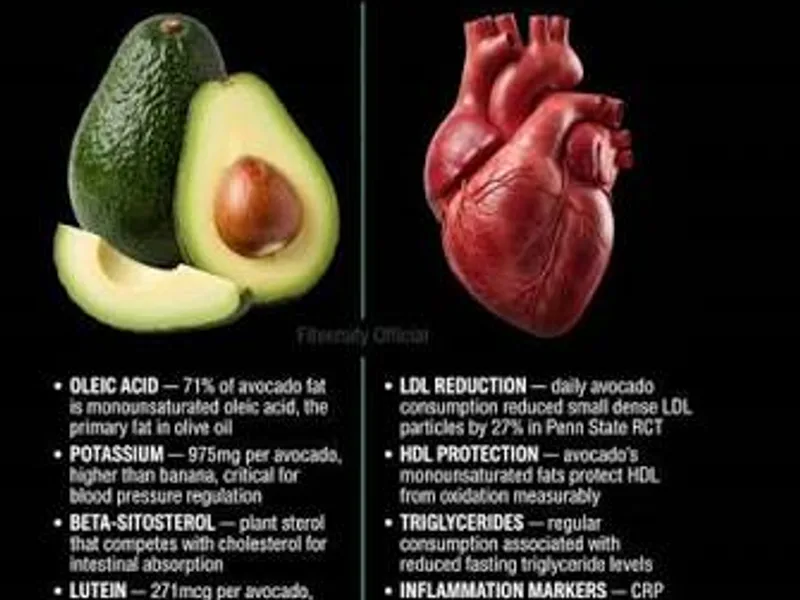
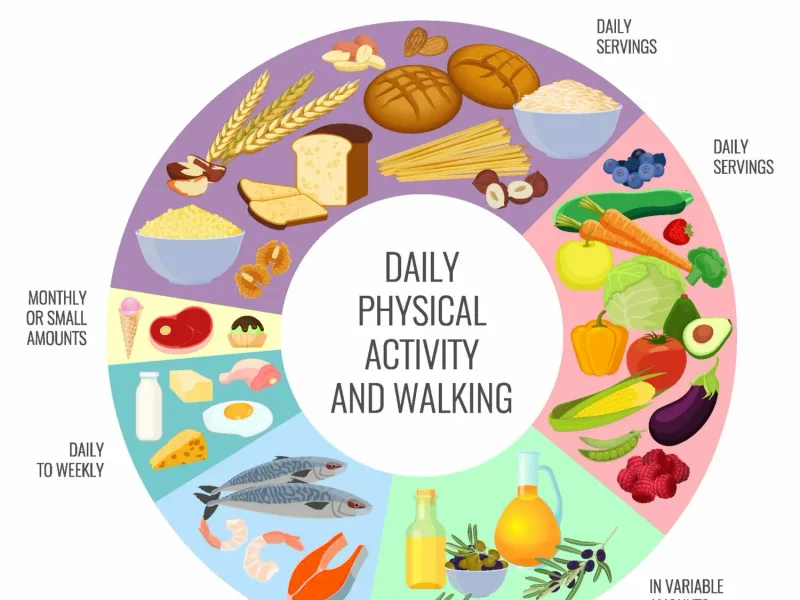
- Nutritious Eating: Prioritize consumption of fruits, vegetables, whole grains, and lean protein sources. Restrict intake of saturated fats, sodium, and supplemental sugars.
- Consistent Physical Activity: Strive for a minimum of 150 minutes of moderate-intensity aerobic exercise weekly, in line with WHO recommendations.
- Cessation of Tobacco Use: Tobacco consumption constitutes a primary likelihood factor for conditions affecting the circulatory system.
- Control Existing Medical Issues: Manage diabetes, hypertension, and hypercholesterolemia effectively under medical supervision.
Navigating the potential for cardiovascular illness presents considerable challenges, yet adopting proactive measures can substantially diminish susceptibility.
Navigating Cardiovascular Services: An Operational Handbook
Accessing medical services within any geographical area can pose difficulties. For individuals residing in this district, comprehending the available channels is critical.
- Familiarize Yourself with Local Medical Establishments: Understand the services offered by your closest District Hospital or Primary Care Facility.
- Contingency Planning: Ensure emergency contact information is easily retrievable. Consult your primary care physician regarding any potential cardiovascular worries.
- use Public Welfare Programs: India's Ayushman Bharat initiative endeavors to offer medical insurance, which can alleviate the fiscal strain associated with vital cardiovascular interventions.
Individuals should remain cognizant of their physical state and the support systems at their disposal.
Summary: Emphasizing Cardiovascular Well-being in Latehar
Although this district might necessitate patient transfers to major urban centers for sophisticated cardiovascular interventions, prompt emergency reaction and initial stabilization remain paramount. Identifying the signs of an acute coronary event and responding without delay can preserve life. It is frequently observed that individuals who postponed seeking assistance experienced less favorable prognoses. Your cardiovascular well-being is of utmost importance. Remain watchful, stay educated, and make your personal welfare a priority. Recall that obtaining expeditious medical care from credentialed clinicians is essential.
Always seek advice from a licensed medical practitioner before making healthcare choices.
Frequently Asked Questions
Is rice consumption permissible for individuals with a cardiovascular concern?
For the majority of persons with cardiovascular ailments, a measured intake of rice can integrate into a balanced nutritional plan. Nevertheless, if co-existing conditions such as diabetes or hypertension are present, careful management of carbohydrate intake becomes vital.
Consult with your cardiovascular specialist or a certified dietitian for tailored dietary advice.
Distinguishing Between Myocardial Infarction and Sudden Cardiac Arrest
An acute myocardial infarction (commonly known as a heart attack) represents a circulatory impairment where the blood supply to a portion of the myocardium is obstructed, resulting in tissue damage. Sudden cardiac arrest, conversely, constitutes an electrical malfunction causing the cardiovascular organ to abruptly cease proven pumping.
While a myocardial infarction can precipitate sudden cardiac arrest, these two occurrences are distinct clinical entities.
When to Seek Medical Consultation Following Thoracic Discomfort?
Should an individual encounter thoracic pain that is novel, intense, or deviates from previous sensations, immediate medical care is warranted. Procrastination is ill-advised. For less acute or intermittent discomfort in the chest region, arrange a timely consultation with your physician to exclude any meaningful underlying pathologies.
Recommended Enduring Lifestyle Modifications Following a Myocardial Infarction?
Sustained modifications generally encompass embracing a diet beneficial for cardiovascular well-being, participating in consistent physical exercise as directed by one's physician, abstaining from tobacco, competently managing psychological stress, and rigorously following prescribed pharmacotherapy. Structured rehabilitation programs for the cardiovascular system are strongly advocated to facilitate these adjustments.
It sounds simple. It rarely is.