Understanding Cardiac Events and Accessing Specialized Care in Murshidabad District
Undergoing a cardiac event can be a frightening experience. Identifying the indicators and understanding where to access swift, specialized care are critically important. For individuals or their relatives confronting a cardiac emergency within Murshidabad district, comprehending available options holds the potential to preserve life. This guide will outline appropriate actions and methods for locating suitable specialists.
What is a Myocardial Infarction?
Myocardial infarction, commonly referred to as a coronary event, arises when the supply of oxygenated blood to a section of the cardiac muscle becomes critically diminished or completely obstructed. Typically, this obstruction stems from an accumulation of plaque—a substance composed of fat, cholesterol, and other materials—within the coronary arteries. The mechanism behind this process involves the rupture of this plaque, leading to the formation of a thrombus (blood clot) that impedes the circulation of vital fluid. Lacking oxygen-rich perfusate, portions of the cardiac tissue start to necrotize. This constitutes a critical clinical emergency necessitating prompt intervention.
Recognizing the Symptoms: Act Swiftly
manifestations can vary significantly among individuals, with not everyone experiencing identical indicators. This variability frequently presents a challenge for rapid recognition. Common signs include:
- Chest discomfort or pressure: This is frequently described as a sensation of pressure, squeezing, fullness, or pain situated in the center of the chest. It may persist for more than a few minutes or dissipate and then recur.
- Discomfort or pain in other regions of the upper body: Such sensations might extend to one or both arms, the back, neck, jaw, or stomach.
- Breathlessness: This can manifest independently of chest discomfort.
- Other indicators: These might encompass breaking out in a cold sweat, nausea, vomiting, or lightheadedness.
Worth keeping in mind: women often report less typical indicators, such as indigestion-like feelings, profound fatigue, or discomfort in the upper back or neck. Heightened awareness is paramount to ensure timely recognition of potential danger.
Immediate Actions During a Suspected Coronary Event
If a person is suspected of experiencing a sudden cardiac incident:
- Contact emergency services immediately: In India, the numbers are 108 or 112. Delay should be avoided, as earlier intervention generally leads to improved outcomes.
- Maintain composure: While challenging, endeavor to remain as calm as possible.
- Assist the person to sit or lie down: Encourage a state of rest.
- Loosen restrictive clothing: This helps ensure comfort.
- Prevent self-transportation: Await the arrival of an ambulance. Driving oneself is inherently dangerous during such an emergency.
- Aspirin administration (if advised): If the individual is conscious, not allergic, and if instructed by the emergency operator or a physician, they might be given an aspirin to chew. This medication assists in preventing further clot formation.
Every minute is crucial in these situations. Prompt transport by emergency services facilitates rapid assessment and the initiation of life-saving therapies, often before hospital arrival.
Locating a Cardiologist in Murshidabad
Murshidabad, a district rich in history, also possesses dedicated healthcare professionals equipped to manage cardiac emergencies. Identifying the appropriate specialist, typically a cardiologist, is fundamental for effective treatment and recovery from a coronary event.
The Role of a Cardiologist
Cardiologists are physicians specializing in the diagnosis and management of diseases affecting the cardiac organ and its associated blood vessels. They serve as the primary specialists sought for care following a myocardial infarction. Their areas of expertise include:
- Diagnosing cardiac conditions through tests such as ECGs (electrocardiograms), echocardiograms, and stress tests.
- Managing cardiovascular disease via prescribed medication and lifestyle recommendations.
- Performing interventional procedures like angioplasty and stenting to re-open occluded arteries.
- Providing post-incident care and rehabilitation services.
Consider a cardiologist as the principal engineer for the body's most vital pump.
Methods for Finding a Specialist in the District
Several avenues can assist in locating a qualified cardiologist within Murshidabad:
- Hospital Referral Services: Major hospitals in the Murshidabad region, such as M.R. Bangur Hospital or other facilities with cardiology departments, frequently offer physician referral services. These services can connect individuals with their affiliated specialists.
- Online Health Platforms: Websites and applications like Doctar provide searchable directories of practitioners, including cardiologists practicing in Murshidabad. Users can often review doctor profiles, patient feedback, and appointment booking options.
- Personal Recommendations: Referrals from acquaintances, family members, or one's general physician can be highly valuable. A trusted recommendation frequently stems from positive firsthand experiences.
- Local Professional Associations: While less direct for patients, local professional bodies may maintain registers of certified specialists.
When seeking care, prioritize physicians with experience in interventional cardiology if immediate therapeutic procedures for blockages are anticipated.
Therapeutic Approaches for Cardiac Incidents
Upon a patient's arrival at a healthcare facility, the immediate priority shifts to re-establishing blood flow and minimizing damage to the cardiac muscle. The primary objective, as outlined by organizations such as the American Heart Association (AHA), is timely reperfusion therapy.
Emergency Interventions
- Thrombolytic Therapy: Often referred to as "clot-busting" drugs, these medications are administered intravenously to dissolve the blood clot responsible for the arterial blockage. This intervention is particularly crucial in regions where immediate angioplasty facilities are not readily available.
- Angioplasty and Stenting: This minimally invasive procedure involves a cardiologist inserting a thin tube, known as a catheter, equipped with a balloon at its tip, into an obstructed artery. The balloon is then inflated to widen the vessel, and a small mesh tube, called a stent, is frequently placed to maintain its patency. This is considered the optimal approach if performed promptly.
It is crucial to understand that the efficacy of these treatments is highly dependent on the duration elapsed since the onset of manifestations. Early presentation at a hospital is paramount.
Medications and Long-Term Management
Following the acute event, a regimen of pharmacotherapy is prescribed to prevent subsequent clot formation, manage blood pressure, and lessen the cardiac organ's workload. These prescriptions may include:
- Antiplatelet agents (such as aspirin or clopidogrel)
- Beta-blockers
- Statins (cholesterol-reducing drugs)
- ACE inhibitors
Living with cardiovascular disease necessitates ongoing commitment. Your cardiologist will collaborate with you to formulate a personalized management plan. This plan frequently incorporates dietary modifications, consistent physical activity, and smoking cessation. Lifestyle enhancement is a vital component of both recovery and prevention.
Cardiac Rehabilitation Programs
Cardiac rehabilitation constitutes a supervised program designed to assist individuals in their recovery following a coronary event or other cardiovascular conditions. These programs, frequently offered through larger hospitals, encompass:
- Exercise training: Tailored physical activity regimens to progressively restore physical strength.
- Education: Provision of information on heart-healthy living, nutrition, and strategies for managing risk factors.
- Counseling: Support mechanisms to aid in coping with the emotional and psychological repercussions of a cardiac incident.
These structured programs are empirically proven to enhance quality of life and diminish the likelihood of future cardiac events. Structured support can profoundly impact recovery, offering significant benefits.
Preventing Coronary Events: Proactive Health Measures
While immediate clinical intervention is critical during an acute event, prevention remains the most potent strategy. A major proportion of myocardial infarctions are avoidable through proven management of possibility factors. Key areas for focus include:
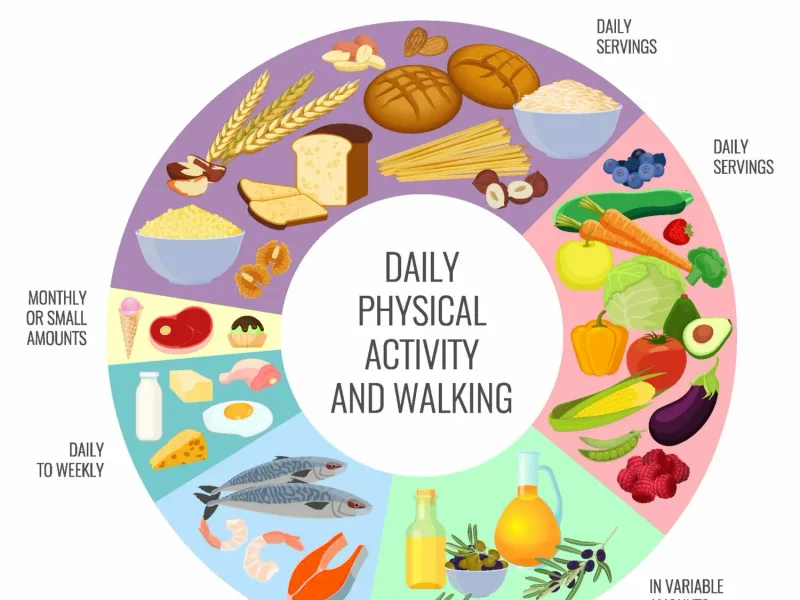
- Nutritious Diet: Prioritize fruits, vegetables, whole grains, and lean proteins. Restrict saturated fats, trans fats, sodium, and added sugars. Adhering to guidelines similar to those from the World Health Organization (WHO) is advantageous.
- Consistent Physical Activity: Aim for a minimum of 150 minutes of moderate-intensity aerobic activity per week.
- Maintain a Healthy Body Weight: Obesity represents a substantial danger factor.
- Control Blood Pressure and Cholesterol Levels: Regular check-ups with your physician are essential. Hypertension (elevated blood pressure) and hypercholesterolemia often present no discernible signs until a major cardiovascular event occurs.
- Diabetes Management: For individuals with diabetes, maintaining controlled blood sugar levels is vital.
- Smoking Cessation: Smoking is recognized as one of the most marked controllable chance factors for cardiovascular disease.
- Moderate Alcohol Intake: Excessive consumption of alcohol can adversely affect cardiac well-being.
- Stress Management: Chronic stress can negatively impact cardiac health. Techniques such as meditation and yoga can be beneficial.
Adopting these habits considerably strengthens the cardiac organ and overall well-being. It is about fostering a resilient body.
When to Seek Urgent Care in Murshidabad
Do not hesitate to seek immediate clinical attention if you experience any potential warning signs indicative of a coronary event. Time equates to muscle viability, and prompt therapy by a qualified cardiologist in Murshidabad or its surrounding areas can preserve lives and maintain cardiac function. If uncertainty exists, it is always prudent to err on the side of caution and summon emergency services. Specialists are available to provide the critical care required during these emergencies.
Frequently Asked Questions
Can individuals with a cardiac condition consume rice?
For many cardiac conditions, moderate consumption of plain rice may be permissible, contingent upon the specific concern and overall dietary regimen. Preparations high in sodium or fat should be avoided. Always discuss dietary choices with your cardiologist or a registered dietitian.
How can one locate a cardiologist nearby in Murshidabad?
Cardiologists in Murshidabad can be found through online health platforms such as Doctar, by requesting a referral from your general physician, or by contacting major local hospitals. Reviewing online profiles and patient feedback can also aid in selecting the appropriate specialist.
What are the initial indicators of a myocardial infarction?
The most frequent initial sign is chest discomfort or pain, frequently characterized as pressure or a squeezing sensation. Other indicators include shortness of breath, pain radiating to the arms, back, neck, or jaw, and sometimes indicators like nausea or cold sweats. Rapid recognition of these signs is critical.
Is a coronary event synonymous with cardiac arrest?
No, these are distinct conditions. A myocardial infarction occurs when blood flow to the cardiac organ is obstructed, resulting in damage to the cardiac muscle.
Cardiac arrest, conversely, is the sudden cessation of the cardiac organ's beating, often due to an electrical malfunction. While a coronary event can precipitate cardiac arrest, they are not the same incident.
That's the part worth remembering.