By Dr. Priya Sharma, MD — Internal Medicine Specialist, Apollo Hospitals, Delhi
Cardiac conditions remain a primary cause of mortality globally, including within India. While many individuals associate cardiovascular issues with sudden, dramatic events, their foundation often develops over years due to lifestyle choices and underlying medical states.
Recognizing contributing elements and early indicators is crucial for timely intervention and improved patient outcomes. At Apollo Hospitals, proactive management has been observed to significantly alter a patient's trajectory.
Understanding Your Risk Profile
Several elements can increase an individual's susceptibility to developing cardiovascular ailments. Some are modifiable, while others are not. Comprehending these represents the initial step toward prevention.
- Non-modifiable chance Elements: Age (the likelihood increases with advancing years), a family history of cardiac issues (particularly if onset was early in life), and biological sex (men generally face a higher chance at younger ages than women) are beyond personal control.
- Modifiable danger Elements: These are areas where significant improvements can be made. Elevated blood pressure (hypertension), high cholesterol levels, diabetes, obesity, physical inactivity, and smoking are major contributors. Suboptimal nutrition also plays a critical role.
It is important to note: Lifestyle choices profoundly influence cardiovascular well-being. A diet rich in saturated fats, trans fats, and sodium, combined with a sedentary routine, substantially elevates possibility.
Here's where it gets interesting.
Key Indicators to Monitor
Symptoms of cardiac conditions can vary considerably among individuals; sometimes, they are subtle. Not everyone experiences thoracic discomfort, which is the most commonly depicted symptom. Therefore, attentiveness to one's physical state remains paramount.
Common Manifestations
- Thoracic Discomfort or Pressure: Often described as a squeezing sensation, fullness, or discomfort in the central region of the chest. This may persist for more than a few minutes or dissipate and then return.
- Pain Radiating to Other Regions: Discomfort can extend to the shoulders, arms (especially the left limb), neck, jaw, or back.
- Breathlessness: This can manifest with or without thoracic discomfort. Individuals might feel unable to draw sufficient air.
- Other Signs: These encompass cold sweats, nausea or vomiting, lightheadedness or dizziness, and unusual fatigue. Women, in particular, may more frequently experience these less typical indicators.
In numerous instances, individuals dismiss these signs as indigestion or simple tiredness. Attentiveness to one's body is critical. Patients have presented with alarming indicators that began subtly, such as persistent indigestion or uncharacteristic fatigue during routine activities.
When to Seek Immediate Assistance
If sudden, severe discomfort in the chest, shortness of breath, or other potential indicators of a myocardial infarction (heart attack) occur, call for emergency medical services immediately. Self-transportation to a medical facility should be avoided.
Diagnosing Cardiovascular Conditions
When an individual consults a physician with concerns about their cardiac well-being, several diagnostic tools are available. The assessment process typically commences with a thorough medical history and physical examination.
And yet, so many people miss it.
Diagnostic Procedures
- Electrocardiogram (ECG or EKG): This non-invasive test records the electrical activity of the cardiac muscle. It can detect abnormal rhythms and signs consistent with a myocardial infarction.
- Laboratory Tests: Specific enzymes released into the bloodstream during a myocardial infarction can be identified. Cholesterol and blood sugar levels are also evaluated.
- Echocardiogram: An ultrasound examination of the cardiac structure, this test provides images of its chambers and valves, assessing its pumping capability.
- Stress Test: individuals engage in physical activity (typically on a treadmill) while their cardiac function is monitored. This helps determine how the organ performs under physical strain.
- Coronary Angiogram (Cardiac Catheterization): This is a more invasive procedure involving the injection of dye into the coronary arteries to visualize blockages using X-rays. It is frequently performed when other tests suggest considerable arterial obstructions. According to WHO guidelines, early detection via these methods can significantly improve survival rates.
The diagnostic approach is notably layered, progressing from simpler tests to more complex ones as necessary. This ensures accuracy while minimizing unnecessary procedures for those affected.
Cultivating a Cardiac-Protective Lifestyle
Preventing cardiovascular conditions involves adopting habits that support the circulatory system. This emphasizes consistent, mindful choices rather than drastic, sudden changes.
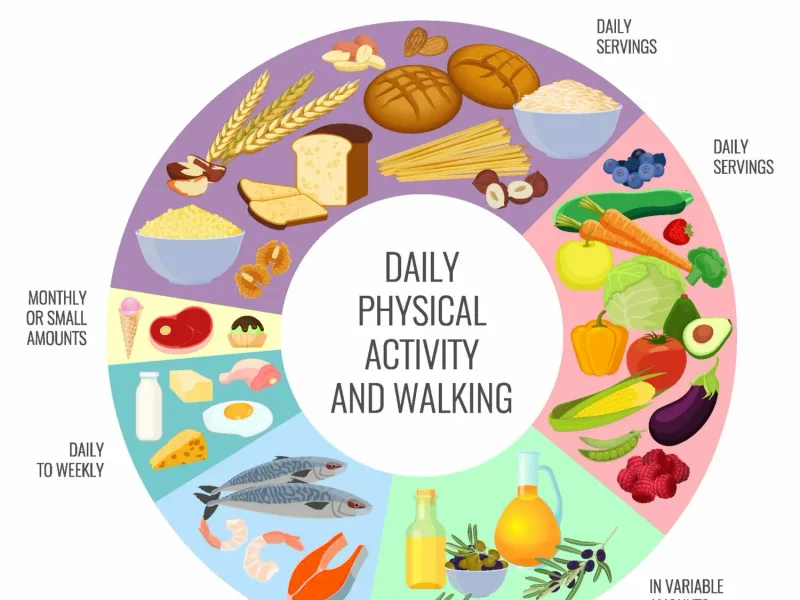
- Nutrition: Prioritize fruits, vegetables, whole grains, lean proteins, and beneficial fats. Limit sodium, saturated fats, and added sugars. Consider balanced meals, for instance, a simple dal-roti with a side of sabzi – nourishing and wholesome.
- Physical Activity: Aim for a minimum of 150 minutes of moderate-intensity aerobic activity each week. Regular walking, jogging, or cycling are excellent options.
- Weight Management: Maintaining a healthy body mass reduces strain on the cardiac muscle.
- Smoking Cessation: This represents one of the most impactful actions an individual can take for their cardiac well-being.
- Stress Reduction: Chronic stress can adversely affect cardiac health. Practice relaxation techniques such as meditation or yoga.
- Routine Medical Evaluations: Regularly monitor blood pressure, cholesterol, and blood sugar levels with a physician.
Living with the potential for cardiovascular issues can be challenging, but knowledge and consistent action are invaluable assets. The essential message here is to empower oneself with information and prioritize cardiac well-being, similar to diligently managing finances or planning for a family's future.
those affected are often observed expressing regret for not implementing preventative measures sooner. The journey toward a healthier cardiovascular system is a marathon, not a sprint, and every positive step taken holds immense significance. Collaborative efforts are essential to maintain robust cardiac function and vibrant lives.
Frequently Asked Questions
Can sweets be consumed with a cardiac condition?
Limiting added sugars is vital for cardiovascular well-being. High sugar intake can contribute to weight gain, diabetes, and elevated blood pressure, all of which are possibility elements for cardiac conditions. Opt for natural sweetness from fruits in moderation.
Is thoracic discomfort always indicative of a myocardial infarction?
Not necessarily. Discomfort in the chest can arise from various causes, including indigestion, muscle strain, or anxiety. However, if new, severe, or accompanied by other warning signs such as breathlessness or sweating, immediate medical attention should be sought to rule out a myocardial infarction.
Recovery is rarely linear.
How frequently should cardiac function be assessed?
This depends on age, individual danger elements, and overall well-being. Generally, adults should have their blood pressure checked every 1-2 years. If likelihood elements like elevated blood pressure, diabetes, or a family history are present, specialists recommend more frequent evaluations, including cholesterol and blood sugar monitoring.
Always consult a qualified physician before making medical decisions.