Understanding Heart Disease in Jamtara
Heart disease remains a significant health challenge across India, and Jamtara is no exception. Many of us have loved ones affected by cardiac conditions. The reality is, cardiovascular diseases (CVDs) are the leading cause of death globally.
In India, approximately 20% of deaths are attributed to CVDs, according to the Indian Council of Medical Research (ICMR). Think about it this way: for every five deaths in India, one is linked to the heart or blood vessels. This makes understanding available treatment options vital for residents of Jamtara.
The term 'heart disease' is broad, encompassing various conditions affecting the heart and blood vessels. These can include coronary artery disease (CAD), heart failure, arrhythmias (irregular heartbeats), and valvular heart disease.
Early detection and appropriate care are crucial for managing these conditions and improving quality of life. We often see people delaying seeking medical help due to various reasons, including accessibility and awareness.
Most people overlook this completely.
Common Heart Conditions and Their Signs
Recognising the signs of heart trouble is the first step towards timely intervention. typical indicators include chest pain or discomfort (angina), shortness of breath, fatigue, and swelling in the legs or ankles. Palpitations or a fluttering sensation in the chest can also signal an issue.
How serious is this really? Persistent symptoms warrant immediate medical attention.
Coronary Artery Disease (CAD), often called atherosclerosis, is a major concern. It involves the narrowing or blockage of the arteries supplying blood to the heart muscle, usually due to plaque buildup. This condition significantly increases the risk of heart attack.
Heart Disease management Approaches in Jamtara
Fortunately, comprehensive heart disease management is accessible in Jamtara, often involving a combination of lifestyle modifications, medication, and, in some cases, advanced medical procedures. Here's the thing — a personalized approach is always best.
Lifestyle Modifications: The Foundation of Care
The cornerstone of managing and preventing heart disease involves notable lifestyle changes. These are not just suggestions; they are proven strategies to boost cardiovascular health.
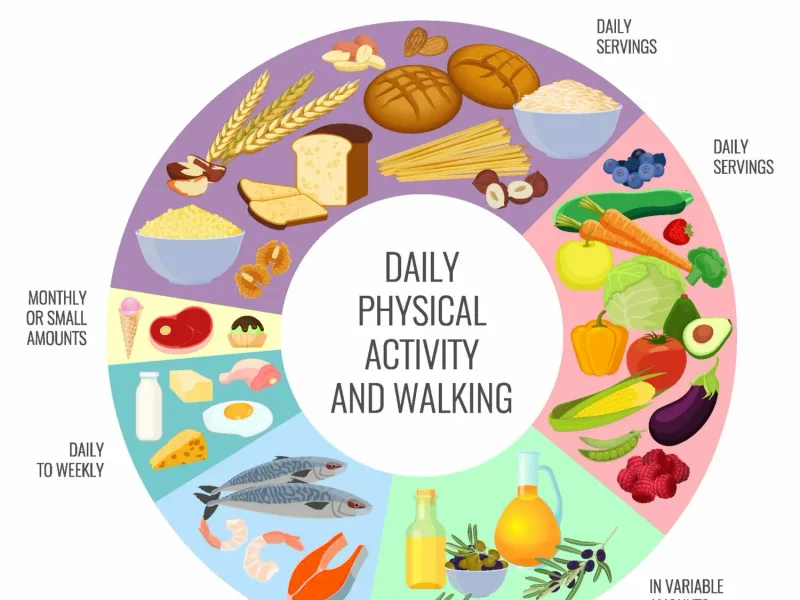
- Dietary Changes: Adopting a heart-healthy diet is vital. This means reducing intake of saturated and trans fats, cholesterol, sodium, and added sugars. Emphasis should be placed on fruits, vegetables, whole grains, lean proteins, and healthy fats. For instance, limiting processed foods and opting for home-cooked meals can make a substantial difference. The National Institute of Nutrition (NIN) recommends a diet rich in fibre and low in unhealthy fats.
- Regular Physical Activity: Aim for at least 150 minutes of moderate-intensity aerobic activity per week, as advised by the World Health Organization (WHO). This could include brisk walking, cycling, or swimming. Even moderate exercise helps manage weight, lower blood pressure, and improve cholesterol levels.
- Weight Management: Maintaining a healthy weight is crucial, especially for individuals with conditions like hypertension or diabetes, which often coexist with heart disease. Losing even a small amount of weight can significantly strengthen heart health indicators.
- Smoking Cessation: Smoking is a major chance factor for heart disease. Quitting smoking dramatically reduces the likelihood of heart attack and stroke. Support groups and physician guidance are available to support individuals quit.
- Stress Management: Chronic stress can negatively impact heart health. Techniques like yoga, meditation, and mindfulness can assist in managing stress levels effectively.
Medications for Heart Conditions
When lifestyle changes alone are insufficient, physicians often prescribe medications to manage heart disease. These drugs work in various ways to control manifestations, reduce likelihood factors, and prevent complications. So what does that mean for you? Understanding your prescription is key.
It sounds simple. It rarely is.
- Statins: These drugs assist lower LDL ('bad') cholesterol levels, reducing plaque buildup in arteries.
- Blood Pressure Medications: This includes ACE inhibitors, beta-blockers, calcium channel blockers, and diuretics, which aid manage hypertension (high blood pressure).
- Antiplatelet Agents & Anticoagulants: Medications like aspirin or warfarin aid prevent blood clots from forming, reducing the danger of heart attack and stroke.
- Diuretics: Often called 'water pills', these assist the body get rid of excess sodium and water, easing the workload on the heart in cases of heart failure.
- Other Medications: Depending on the specific situation, drugs to manage heart rhythm or elevate heart muscle function might be prescribed.
The precise medication regimen is determined by a cardiologist based on the individual's problem, medical history, and other factors. It is vital to take all prescribed medications exactly as directed.
Interventional Cardiology Procedures
For more severe cases or blockages, interventional cardiology offers minimally invasive procedures that can significantly strengthen blood flow and heart function. These are often performed at well-equipped hospitals in or near Jamtara.
- Angioplasty and Stenting: In this procedure, a small balloon is inflated inside a narrowed artery to widen it. A small mesh tube, called a stent, is often placed to keep the artery open. This is a frequent and effective care for coronary artery blockages.
- Pacemaker and Defibrillator Implantation: For patients with arrhythmias or slow heart rates, devices like pacemakers can regulate the heartbeat. Implantable cardioverter-defibrillators (ICDs) can detect and treat life-threatening irregular heart rhythms.
Cardiac Surgery Options
In certain complex situations, open-heart surgery might be the most reliable approach. While less typical for initial interventions, these procedures are crucial for advanced disease management.
- Coronary Artery Bypass Grafting (CABG): Commonly known as bypass surgery, this involves creating new pathways for blood to flow to the heart muscle by using blood vessels from other parts of the body.
- Heart Valve Repair or Replacement: If heart valves are damaged or diseased, they can be repaired or replaced to ensure proper blood flow.
These surgical procedures require specialized facilities and experienced cardiac surgeons, often available at major medical centres. sufferers from Jamtara needing such care are typically referred to these centres for optimal outcomes.
Accessing Cardiac Care in Jamtara
Jamtara has local clinics and hospitals that provide essential cardiac care services, including diagnostic tests like ECGs, echocardiograms, and stress tests. Experienced physicians are available to diagnose and manage prevalent heart conditions.
That's the part worth remembering.
For advanced treatments like angioplasty or bypass surgery, individuals may be referred to larger hospitals in nearby cities like Dhanbad or Bokaro, which are equipped with state-of-the-art cardiac catheterization labs and operating theatres.
The Indian healthcare system, including facilities accessible from Jamtara, is continuously evolving. Awareness programs by institutions like the All India Institute of Medical Sciences (AIIMS) aim to educate the public about heart health.
Many individuals who have undergone management report a meaningful improvement in their quality of life after receiving timely and appropriate care. Living with a heart issue is genuinely hard, but with the right support and care, a fulfilling life is possible.
Here's the thing — proactive health management is key. Regular check-ups, especially for individuals with danger factors like diabetes, hypertension, or a family history of heart disease, are strongly recommended. Early detection can prevent severe complications.
That alone changes everything.
The Role of Specialists
Cardiologists are physicians specializing in diagnosing and treating heart diseases. They play a vital role in creating personalized care plans. General physicians also play a crucial part in initial diagnosis and referral.
When you consult a doctor, be sure to discuss all your warning signs and medical history openly. This enables them to provide the most reliable care.
Key Takeaways
- Heart disease is a leading cause of death in India, affecting millions.
- Lifestyle changes (diet, exercise, no smoking) are crucial for prevention and management.
- Medications like statins, BP drugs, and blood thinners are prevalent treatments.
- Advanced procedures like angioplasty and bypass surgery are available through referral.
- Early detection and regular check-ups are vital for better cardiac health outcomes.
Always consult a qualified physician before making medical decisions.
Frequently Asked Questions
Can I eat rice if I have heart disease?
Yes, you can generally eat rice in moderation, especially brown rice, which is a whole grain. However, individuals with heart disease, particularly those also managing diabetes, should monitor portion sizes and overall carbohydrate intake. Consult your doctor or a dietitian for personalized dietary advice.
What are the first signs of a heart attack?
The most widespread symptom is chest pain or discomfort, often described as pressure, squeezing, or fullness. Other signs include pain radiating to the arm, jaw, or back, shortness of breath, nausea, lightheadedness, and cold sweats. Seek immediate emergency medical benefit if you experience these manifestations.
How often should I see a cardiologist if I have heart disease?
The frequency of follow-up appointments depends on the severity of your heart concern and your approach plan. Typically, individuals with stable heart disease may see a cardiologist every 6-12 months.
It sounds simple. It rarely is.
Those with more complex conditions or recent interventions might require more frequent visits. Your cardiologist will advise you on the appropriate schedule.
Is heart disease therapy expensive in Jamtara?
The cost of heart disease therapy can vary widely depending on the type of care needed. Basic consultations and medications are generally affordable.
However, advanced procedures like angioplasty or surgery can be expensive, though many government schemes and insurance plans enable offset these costs. Accessing care at larger referral hospitals may involve higher expenses.