Hernia Diet: Navigating Meal Choices for Comfort and Relief
Meena, 45, a homemaker from Jaipur, experienced persistent discomfort after eating, particularly when lifting her grandchildren. A dull ache in her midsection, sometimes accompanied by a burning sensation, became a regular unwelcome guest. After consulting her local doctor, she was diagnosed with an umbilical hernia.
Her physician advised her on lifestyle changes, with a significant emphasis on her eating habits. This is a common scenario across India, where dietary patterns often play a crucial role in managing various health conditions, including hernias.
A hernia occurs when an organ or fatty tissue squeezes through a weak spot in a surrounding muscle or connective tissue called fascia. While surgery is often the definitive treatment, meal plan adjustments can significantly alleviate symptoms, prevent exacerbation, and aid in recovery.
Understanding what to consume and what to avoid is paramount for individuals managing a hernia. The reality is, what you ingest directly impacts your gastrointestinal system and stomach strain, both key factors in hernia management.
That's the part worth remembering.
Understanding Hernia and Diet's Role
The primary goal of dietary changes for a hernia patient is to reduce strain on the stomach wall and prevent irritation of the gastrointestinal tract. High intra-abdominal strain is a major contributor to the development and worsening of hernias.
Items that cause gas, bloating, constipation, or acid reflux can indirectly increase this strain. Think about it this way: straining due to constipation or the discomfort from excessive gas puts direct stress on the weakened area.
According to a study published in the Indian Journal of Gastroenterology, eating patterns significantly influence gastrointestinal discomfort. Over 60% of patients reported a correlation between specific meal components and their hernia-related warning signs. This highlights the critical importance of a well-planned eating regimen.
Meal Choices to Embrace for Hernia Relief
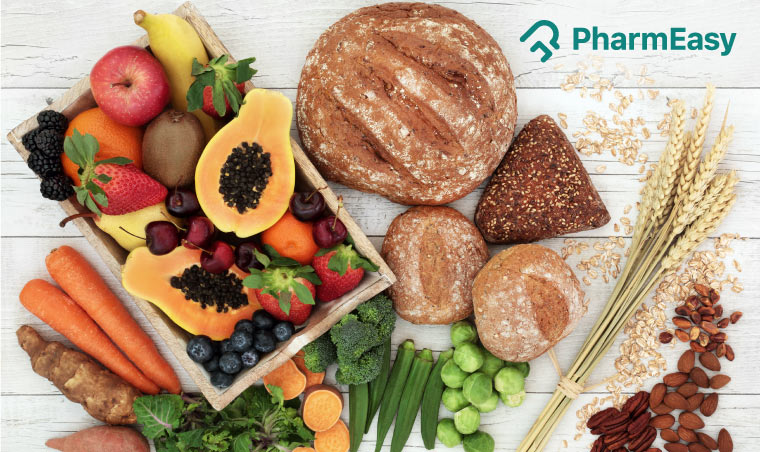
Focusing on a diet rich in fiber, lean protein, and beneficial fats can promote better gut function and reduce exertion. These nutrients aid in preventing constipation and maintaining a suitable weight, both crucial for managing hernias.
High-Fiber Meal Components
Fiber is your ally in preventing constipation, a widespread culprit that can worsen hernia discomfort. It adds bulk to your stool, making it easier to pass and reducing the need for straining. Aim for a gradual increase in fiber intake to avoid initial gas and bloating. Good sources include:
That alone changes everything.
- Whole Grains: Oats, brown rice, quinoa, and whole wheat bread. These provide sustained energy and essential nutrients.
- Fruits: Apples, pears, berries, and bananas are excellent choices. They are not only rich in fiber but also provide vital vitamins and antioxidants.
- Vegetables: Leafy greens like spinach and kale, broccoli, carrots, and sweet potatoes. Ensure vegetables are well-cooked to aid digestion.
- Legumes: Lentils and beans can be beneficial, but introduce them slowly and ensure they are thoroughly cooked, as they can cause gas in some individuals.
Lean Proteins
Lean protein sources are essential for tissue repair and overall well-being. They are easier to digest than fatty meats and contribute to satiety, helping with weight management.
- Fish: Baked or grilled fish like salmon, mackerel, and sardines are rich in omega-3 fatty acids.
- Poultry: Skinless chicken or turkey breast, prepared without heavy sauces or frying.
- Tofu and Paneer: Excellent vegetarian protein sources widely consumed in India.
Beneficial Fats
Beneficial fats are crucial for nutrient absorption and can help reduce inflammation. Incorporate them in moderation.
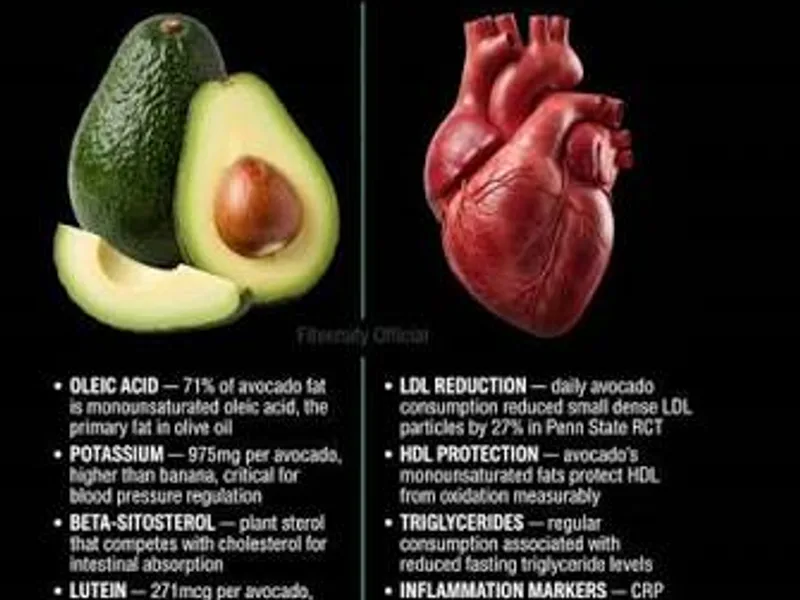
- Avocado: A good source of monounsaturated fats and fiber.
- Nuts and Seeds: Almonds, walnuts, flaxseeds, and chia seeds (in moderation).
- Olive Oil: A staple in many Indian kitchens, use it for cooking and dressings.
Probiotic-Rich Meal Components
A robust gut microbiome can improve digestion and reduce gas. Fermented items are beneficial.
- Yogurt (Dahi): A daily staple in many Indian households, especially plain, unsweetened yogurt.
- Kefir: Another fermented dairy product that can aid digestion.
Meal Choices to Approach with Caution or Avoid
Certain items can trigger warning signs by causing gas, bloating, heartburn, or constipation, thereby increasing stomach strain. Identifying your personal triggers is key. Does this sound familiar? Many individuals report worsening warning signs after consuming specific items, especially during festive seasons when diets tend to be richer and heavier.
Items Causing Gas and Bloating
These can significantly increase intra-abdominal strain.
- Cruciferous Vegetables: Broccoli, cauliflower, cabbage, and Brussels sprouts (especially when raw). Cooking them thoroughly can support.
- Carbonated Beverages: Sodas, sparkling water, and beer introduce air into the digestive system.
- Beans and Legumes: While beneficial, they can cause gas if not properly prepared or if consumed in large quantities by sensitive individuals.
- Onions and Garlic: prevalent in Indian cooking, these can be triggers for some. Consider using asafoetida (hing) which is often used as an alternative for flavour and digestion.
Spicy and Acidic Meal Components
These can aggravate heartburn and digestive discomfort.
- Spicy Curries and Chutneys: Many traditional Indian dishes are known for their spice levels.
- Citrus Fruits: Oranges, lemons, and grapefruits can increase stomach acidity.
- Tomatoes: Particularly tomato-based sauces and soups.
- Vinegar-Based Items: Pickles and certain salad dressings.
High-Fat and Fried Items
Fat slows down digestion, which can lead to discomfort and bloating.
- Fried Snacks: Samosas, pakoras, and other deep-fried items are usual during Indian festivals but should be limited.
- Fatty Meats: Red meat, processed meats, and fatty cuts of pork or lamb.
- Creamy Sauces and Gravies: These are often high in fat.
Other Potential Triggers
Individual sensitivities vary greatly.
- Caffeine: Coffee and strong tea can irritate the stomach lining for some.
- Alcohol: Can relax the lower esophageal sphincter, leading to heartburn, and irritate the stomach.
- Artificial Sweeteners: Some individuals react to sugar alcohols found in diet products.
Lifestyle Modifications Beyond Diet
Diet is a cornerstone, but other lifestyle changes are equally vital for managing a hernia effectively. These include maintaining a suitable weight, avoiding heavy lifting, and quitting smoking.
Weight Management
Excess body weight, particularly around the midsection, exerts constant strain on the stomach wall. Losing even a small amount of weight can make a marked difference.
9 billion adults are overweight, and India faces a growing challenge with obesity, particularly in urban areas.
Eating Habits
Instead of three large meals, opt for smaller, more frequent meals throughout the day. This prevents overfilling the stomach and reduces the risk of heartburn and stomach strain. Eating slowly and chewing food thoroughly aids digestion. Avoiding lying down immediately after eating is also recommended.
Physical Activity and Lifting
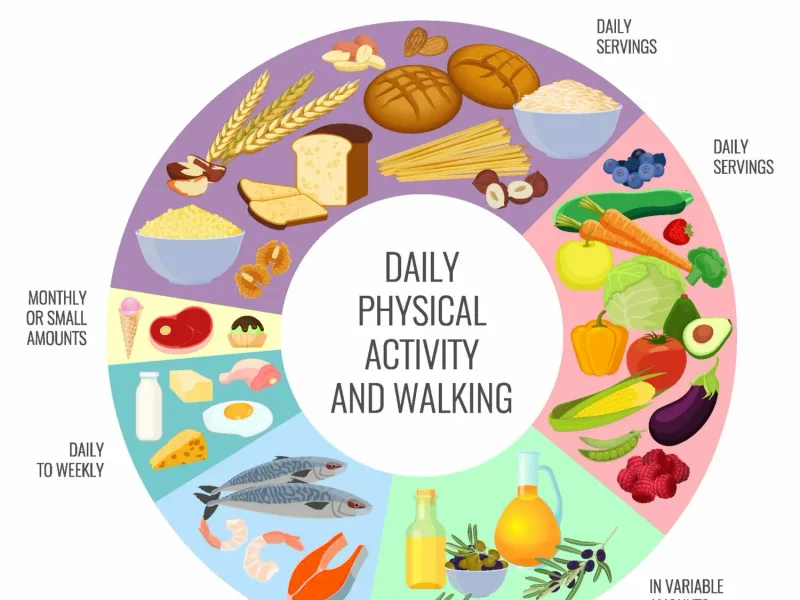
Engage in regular, moderate exercise that does not involve heavy lifting or strenuous stomach movements. Activities like walking, swimming, and gentle yoga can be beneficial. When you must lift something, ensure you do so correctly by bending your knees and keeping your back straight, avoiding any straining.
Smoking Cessation
Smoking is a meaningful likelihood factor for conditions that can exacerbate hernias, such as chronic coughing. The Indian Council of Medical Research (ICMR) reports that tobacco use contributes to a substantial burden of disease in India.
It sounds simple. It rarely is.
When to Seek Professional enable
While dietary changes can offer substantial relief, it's crucial to recognise when medical intervention is necessary. Persistent pain, a noticeable bulge that doesn't recede, difficulty with bowel movements, or vomiting are red flags that warrant immediate medical attention. A study in The Lancet indicated that delayed surgical consultation for symptomatic hernias can lead to complications.
So what does that mean for you? It means being proactive about your well-being. If you experience any concerning manifestations, don't hesitate to consult a healthcare professional. Early diagnosis and management can prevent more serious issues.
Consulting Specialists
Gastroenterologists and surgeons at leading institutions like All India Institute of Medical Sciences (AIIMS) can provide expert diagnosis and therapy plans tailored to your specific condition. They can assess the severity of your hernia and recommend the most appropriate course of action, whether it involves further dietary modifications, medication, or surgical repair.
Key Takeaways
- A hernia diet focuses on reducing stomach strain and digestive irritation.
- High-fiber meal components (whole grains, fruits, vegetables) prevent constipation and straining.
- Avoid gas-producing items (cruciferous vegetables, carbonated drinks) and spicy/acidic ones.
- Lean proteins and beneficial fats support overall well-being and digestion.
- Lifestyle changes like weight management and avoiding heavy lifting are crucial.
Always consult a qualified physician before making any medical decisions.