High-Risk Pregnancy Care in Katihar
Expecting a child is a joyous occasion for most. However, some pregnancies carry extra risks. These are known as high-possibility pregnancies.
They require specialized attention and expert medical support. The reality is, identifying and managing these conditions early is vital for the well-being of both mother and baby. For residents of Katihar and surrounding areas, accessing appropriate care is now more streamlined.
What Defines a High-danger Pregnancy?
Several factors can classify a pregnancy as high-danger. These often include pre-existing maternal health conditions such as hypertension (high blood pressure) or diabetes. Advanced maternal age (typically over 35) is another significant factor.
Previous pregnancy complications, like preterm birth or stillbirth, also raise the chance level. Think about it this way: your body is managing a complex process, and certain conditions can make that process more challenging.
Common Indicators of Increased chance:
- Pre-existing chronic conditions (e.g., heart disease, kidney issues).
- Gestational diabetes or pre-eclampsia developing during pregnancy.
- Multiple gestation (carrying twins, triplets, or more).
- History of recurrent miscarriages.
- Obesity or underweight status.
- Certain infections during pregnancy.
Finding Expert Care in Katihar
Fortunately, Katihar offers several healthcare facilities equipped to handle high-chance pregnancies. These hospitals often boast specialized maternity wards and intensive care units (ICUs) for both mothers and newborns. Here's the thing — choosing the right facility is your first step towards a safer pregnancy journey.
Most people overlook this completely.
Key Facilities and Services
When seeking care, look for hospitals that provide:
- Board-certified obstetricians and gynecologists with experience in high-likelihood cases.
- Access to maternal-fetal medicine specialists (perinatologists) for complex monitoring.
- Advanced diagnostic tools like high-resolution ultrasound and fetal monitoring systems.
- Well-equipped neonatal intensive care units (NICUs) staffed by neonatologists.
- Dedicated labor and delivery suites designed for complex births.
- On-site laboratory services for timely test results.
Worth knowing: Many leading hospitals collaborate with institutions like AIIMS for complex case consultations, ensuring you receive the best possible advice.
The Importance of Specialist Consultation
Is there a better way? Yes, by engaging with specialists early. A maternal-fetal medicine specialist can offer invaluable support. These physicians are experts in managing complicated pregnancies.
They use advanced technologies to monitor fetal development and maternal health closely. Regular check-ups with these specialists, as recommended by WHO guidelines, are crucial. They help detect potential issues before they become serious.
Signs to Watch For:
- Severe headaches or vision changes (potential pre-eclampsia signs).
- Sudden swelling in the face or hands.
- Decreased fetal movement.
- Vaginal bleeding or fluid leakage.
- Severe abdominal pain.
If you experience any of these indicators, seek immediate medical attention. But why does this happen? These signs often point to a condition that needs prompt assessment and intervention.
Support for Expectant Mothers
Living with the anxiety of a high-possibility pregnancy is genuinely hard. Many women feel overwhelmed. However, remember you are not alone. The medical teams in Katihar are dedicated to providing support.
They offer not just clinical care but also emotional reassurance. Many hospitals provide antenatal classes tailored for high-possibility pregnancies. These classes educate you on what to expect and how to manage your health effectively. Think of it like learning to navigate a tricky road – preparation makes the journey smoother.
Diet and Lifestyle Adjustments
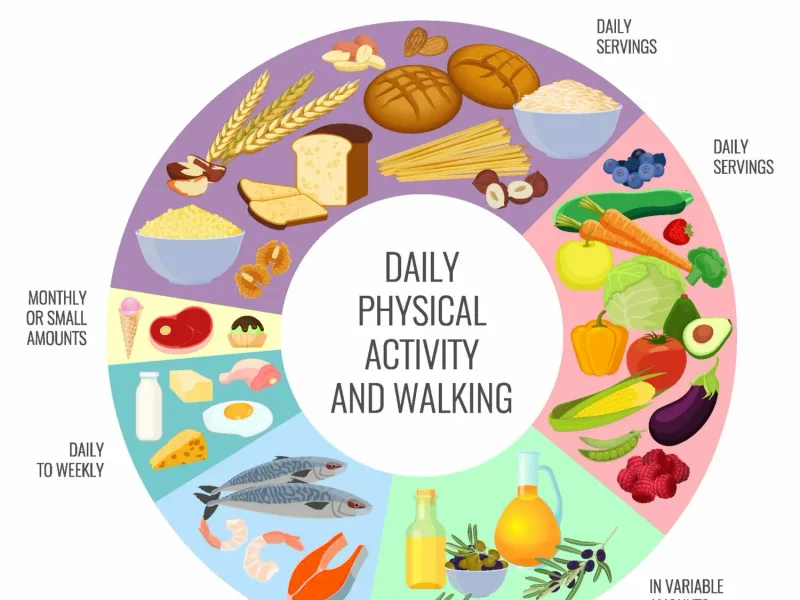
Proper nutrition and a healthy lifestyle are paramount. Specialists often recommend specific dietary plans. For example, managing gestational diabetes might involve limiting sugary foods and focusing on whole grains and lean proteins.
Regular, moderate exercise, as approved by your physician, can also benefit. Staying hydrated is equally important. Small changes can make a big difference in managing your problem and boosting your overall health.
Most people overlook this completely.
Neonatal Care – Preparing for the Little One
High-likelihood pregnancies often necessitate specialized neonatal care. NICUs are equipped with incubators, ventilators, and monitoring equipment. They provide a sterile environment for premature or ill newborns.
The presence of a well-functioning NICU in a Katihar hospital gives immense peace of mind. It assures parents that their baby will receive expert care should the need arise. This level of preparedness is a testament to the growing healthcare standards in the region.
Trustworthy Information Sources
Reliable information is key. Consult resources from reputable bodies like the Indian Council of Medical Research (ICMR) or the World Health Organization (WHO). These organizations provide evidence-based guidelines on maternal and child health.
Always cross-reference information and discuss any concerns with your healthcare provider. The Lancet, a leading medical journal, frequently publishes research relevant to high-danger pregnancies.
Conclusion: A Safer Path Forward
Navigating a high-chance pregnancy requires diligence, expert medical support, and a strong healthcare network. Katihar's improving medical infrastructure offers accessible and reliable options for expectant mothers facing these challenges.
Recovery is rarely linear.
By choosing the right hospital and actively participating in your care plan, you strengthen the foundation for a healthy outcome. We believe every mother and child deserves the best possible start.
Frequently Asked Questions
What are the main risks in a high-possibility pregnancy?
Key risks include developing conditions like pre-eclampsia or gestational diabetes, complications from chronic maternal health issues, and issues related to fetal development or multiple births. These require careful monitoring by specialists.
Can I deliver at any hospital in Katihar for a high-possibility pregnancy?
It is highly recommended to deliver at hospitals specifically equipped for high-danger cases. These facilities have specialized staff and NICU capabilities essential for managing potential complications during and after birth.
How often should I see a doctor for a high-likelihood pregnancy?
The frequency of visits will be determined by your specific disorder and your doctor's assessment. Typically, it involves more frequent check-ups than a standard pregnancy, often including specialized monitoring tests.
What is a Neonatal Intensive Care Unit (NICU)?
A NICU is a specialized unit in a hospital dedicated to providing intensive care for newborn infants who are premature, have low birth weight, or suffer from serious health problems. It offers advanced medical equipment and 24/7 monitoring by neonatology specialists.
That alone changes everything.
Always consult a qualified physician before making medical decisions.