Navigating High-Risk Pregnancies in Motihari: Finding the Right Care
A pregnancy is a joyous journey, but for some, it carries added complexities. High-likelihood pregnancies require specialized attention and the right medical support.
If you are in Motihari and concerned about navigating a high-possibility pregnancy, understanding where to find the best care is crucial. This guide aims to illuminate the key aspects of choosing a hospital equipped to handle such delicate situations.
Here's the thing — a high-possibility pregnancy means there are increased chances of complications for either the mother, the baby, or both. These risks can stem from pre-existing medical conditions, issues that arise during pregnancy, or factors related to lifestyle and age.
Identifying these risks early and seeking care at a facility prepared for them is vital for a healthy outcome.
What Constitutes a High-chance Pregnancy?
Several factors can classify a pregnancy as high-danger. Recognizing these is the first step in seeking appropriate care. Understanding these indicators helps individuals and their families prepare and make informed decisions about their healthcare journey.
Maternal Health Factors:
- Advanced Maternal Age: Women aged 35 and older often face increased risks.
- Pre-existing Medical Conditions: Conditions like hypertension (high blood pressure), diabetes, heart disease, or autoimmune disorders significantly elevate chance.
- Previous Pregnancy Complications: A history of pre-eclampsia, premature birth, or stillbirth warrants closer monitoring.
- Multiple Pregnancies: Carrying twins, triplets, or more increases the likelihood of complications.
Pregnancy-Related Factors:
- Gestational Diabetes: Diabetes that develops during pregnancy requires careful management.
- Preeclampsia and Eclampsia: These are serious conditions characterized by high blood pressure and organ damage.
- Placental Issues: Conditions like placenta previa (placenta covering the cervix) or placental abruption (placenta separating from the uterine wall) are critical.
- Fetal Growth Concerns: If the baby is not growing as expected (intrauterine growth restriction), specialized care is needed.
- Infections: Certain infections during pregnancy can pose risks to both mother and child.
The reality is, these factors don't guarantee complications, but they do necessitate a higher level of vigilance and specialized medical expertise. What should you actually do? Discuss your personal health history thoroughly with your obstetrician.
That's the part worth remembering.
Key Features of a High-possibility Pregnancy Hospital in Motihari
When seeking a hospital for a high-danger pregnancy in Motihari, certain facilities stand out due to their preparedness and specialized services. These hospitals are designed to provide a robust safety net for both mother and baby during this critical period.
Specialized Medical Teams:
The cornerstone of excellent high-chance care is a multidisciplinary team. This typically includes maternal-fetal medicine specialists (MFM), neonatologists, specialized nurses, and anesthesiologists. These physicians possess advanced training in managing complex pregnancies.
Advanced Diagnostic Tools:
Access to state-of-the-art diagnostic equipment is non-negotiable. This includes high-resolution ultrasound machines for detailed fetal imaging, fetal echocardiography to assess the baby's heart, and non-stress tests (NSTs) to monitor fetal well-being.
Prenatal diagnostic tests like amniocentesis or chorionic villus sampling (CVS) might also be offered.
Neonatal Intensive Care Unit (NICU):
For premature births or babies born with health issues, a well-equipped NICU is vital. This specialized unit provides intensive medical care for newborns who need extra support. The presence of a Level III or Level IV NICU signifies the highest level of neonatal care, capable of handling extremely premature or critically ill infants.
That's the part worth remembering.
Emergency Services and Infrastructure:
In high-possibility situations, emergencies can arise swiftly. Hospitals must have 24/7 availability of obstetricians and anesthesiologists, along with operating rooms ready for immediate C-sections or other interventions. Robust protocols for managing obstetric emergencies, such as postpartum hemorrhage or amniotic fluid embolism, are essential.
Seamless Transfer Protocols:
Even with the best preparation, sometimes a higher level of care is needed than what a local facility can provide. Hospitals with established transfer agreements with tertiary care centers or larger medical institutions make sure patients can be moved quickly and safely if necessary. This network of care is a crucial safety feature.
Potential Hospitals and Services in Motihari
While specific hospital rankings can fluctuate, several institutions in and around Motihari are known for their robust maternity and neonatal services. It is always best to visit potential facilities, speak with their obstetrics departments, and gather firsthand information.
Government Medical College and Hospital, Bettiah (near Motihari):
Often, district headquarters or nearby larger towns host government medical colleges. These institutions usually have dedicated obstetrics and gynecology departments, along with neonatal care facilities.
That's the part worth remembering.
They serve a significant population and handle many kinds of cases, including high-possibility pregnancies, often at an affordable cost. Their expertise is honed by the sheer volume and variety of cases they manage, adhering to national clinical standards.
Private Hospitals with Advanced Maternity Wings:
Several private hospitals in Motihari are increasingly investing in advanced maternity care. Look for those that explicitly advertise specialized services for high-possibility pregnancies, including advanced ultrasound capabilities, NICU facilities, and a strong team of consulting specialists.
These hospitals often provide a more personalized experience, though costs can be higher.
Key Considerations When Choosing:
- Proximity and Accessibility: Ensure the hospital is easily reachable, especially in emergencies.
- Physician Recommendations: Trust your primary obstetrician's advice on hospital suitability.
- Patient Reviews and Testimonials: While subjective, these can offer insights into patient experiences.
- Cost and Insurance Coverage: Understand the financial aspects and your insurance plan's coverage.
In many cases, the decision hinges on a balance of specialized services, physician expertise, and personal comfort. Speaking with other women who have delivered in Motihari can also provide valuable perspectives, much like discussing a recipe with a neighbour before trying it.
Preparing for Your High-likelihood Pregnancy Journey
Once you have identified a suitable hospital, the focus shifts to preparation and proactive management. A high-possibility pregnancy requires diligent attention to health and regular medical check-ups.
Regular Prenatal Visits:
Adhering strictly to your scheduled prenatal appointments is paramount. These visits allow your healthcare team to monitor your health and your baby's development closely.
They can detect potential issues early, enabling timely intervention. The World Health Organization (WHO) emphasizes the importance of regular antenatal care for improved maternal and infant outcomes.
Recovery is rarely linear.
Lifestyle Adjustments:
Making necessary lifestyle changes can significantly impact the course of a high-likelihood pregnancy. This includes:
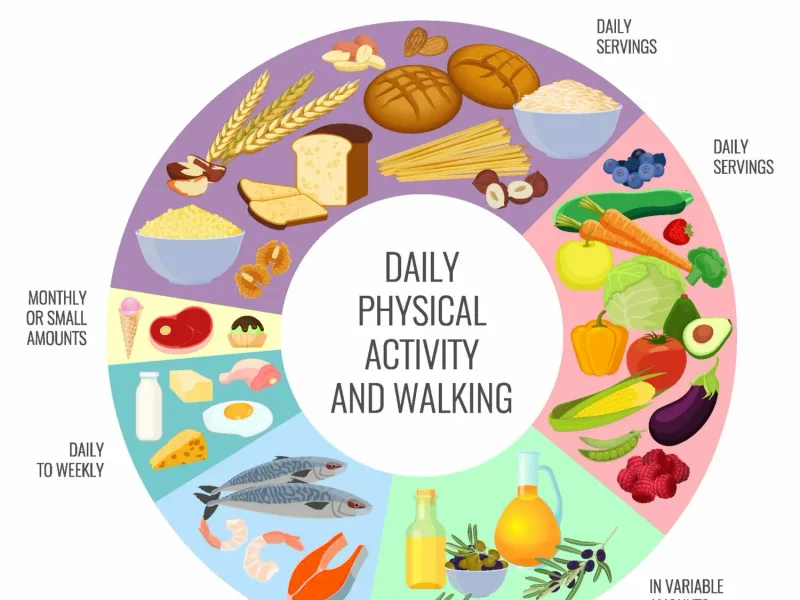
- Nutrition: Following a balanced diet tailored to your specific needs, often guided by a nutritionist.
- Activity: Engaging in safe, recommended exercises, avoiding strenuous activities that could pose a chance.
- Rest: Ensuring adequate rest is crucial for managing fatigue and supporting the body's demands.
- Avoiding Harmful Substances: Complete cessation of smoking, alcohol, and illicit drugs is vital.
Open Communication with Your Doctor:
Honesty and open communication with your physician are key. Do not hesitate to voice any concerns, ask questions, or report any unusual symptoms, no matter how minor they may seem. Physicians rely on this information to provide the best possible care. Remember, they are your partners in this journey.
Living with the uncertainty of a high-danger pregnancy is genuinely hard. However, with the right medical support and proactive self-care, the odds of a positive outcome are significantly boosted. We often see those affected who, through careful management and trust in their medical team, achieve healthy deliveries.
The Role of Technology and Innovation
Modern medicine is constantly evolving, bringing new tools and techniques to manage high-danger pregnancies more effectively. Hospitals in Motihari, particularly those striving for excellence, are integrating these advancements into their practice.
Fetal Monitoring Technologies:
Continuous electronic fetal monitoring (EFM) and intermittent auscultation are standard practices. Advanced systems can provide real-time data, helping physicians assess fetal well-being during labor. These technologies enable quicker responses to potential distress signals.
That alone changes everything.
Telemedicine and Remote Monitoring:
In some cases, telemedicine can assist in managing high-danger pregnancies, especially for follow-up consultations or monitoring. While not a replacement for in-person visits, it can enhance accessibility to specialist advice, particularly for individuals living further from major medical centers.
Minimally Invasive Procedures:
For certain fetal conditions identified during pregnancy, minimally invasive fetal therapies are becoming more common. These procedures, performed under ultrasound guidance, can sometimes correct problems before birth, significantly improving the baby's prognosis. This represents a major leap in prenatal care capabilities.
Conclusion: Empowering Your Pregnancy Journey
Choosing the right hospital for a high-danger pregnancy in Motihari is a considerable decision. It requires careful consideration of the hospital's specialized services, the expertise of its medical staff, and its overall preparedness for complex obstetric and neonatal situations.
By understanding the factors that define a high-chance pregnancy and knowing what to look for in a healthcare facility, you can make an informed choice that prioritizes the health and well-being of both mother and child.
Here's where it gets interesting.
Remember, you are not alone in this. Many women navigate high-likelihood pregnancies successfully with the support of dedicated medical professionals and robust healthcare infrastructure. The goal is always a healthy mother and a healthy baby. Trust in the process, communicate openly with your doctors, and embrace the support systems available to you.
Always consult a qualified physician before making medical decisions.
Frequently Asked Questions
What are the immediate signs of a high-chance pregnancy?
Immediate signs that might indicate a high-chance situation include severe abdominal pain, vaginal bleeding, severe headaches, sudden swelling, or decreased fetal movement. If you experience any of these, seek emergency medical attention immediately.
Can I have a normal delivery with a high-danger pregnancy?
In many high-likelihood cases, a vaginal delivery is still possible and often preferred if medically safe. However, some conditions may necessitate a Cesarean section (C-section) for the safety of the mother or baby. Your doctor will assess your specific situation to determine the safest delivery method.
How often will I need to see the doctor during a high-danger pregnancy?
The frequency of visits depends on the specific risks involved. Typically, you will need to see your doctor more often than in a low-chance pregnancy, potentially every one to two weeks, or even more frequently in the later stages. Your physician will create a personalized monitoring schedule for you.
The numbers don't lie.
What is the role of the NICU in high-chance pregnancy care?
The Neonatal Intensive Care Unit (NICU) provides critical care for newborns who are born prematurely or have serious health issues. In high-likelihood pregnancies, the NICU ensures that if the baby requires specialized medical support immediately after birth, it is readily available and of the highest standard.