Understanding Hormone Treatment in Buxar
A chronic metabolic disorder affects millions across India, and its management frequently necessitates hormone therapy. Within the Buxar region, reliable access to this specific care is paramount for improving the quality of life for those impacted.
Individuals often grapple with the complexities of managing this condition. This guide aims to demystify hormone-based care, highlighting its significance and the local options available.
The pancreas produces a hormone called insulin. Its function is to facilitate the entry of glucose (a simple carbohydrate) from food into cells, providing essential energy.
When the body either fails to produce sufficient amounts of this hormone or cannot use it effectively, glucose accumulates in the bloodstream, leading to the situation known as diabetes. For many individuals, this hormone therapy becomes an indispensable part of their health regimen.
Why Hormone Therapy is Key
Hormone management represents a foundational element for managing both type 1 and advanced type 2 forms of the issue. In cases of type 1 diabetes, the body generates minimal to no insulin, rendering external administration of this hormone absolutely vital for survival. For individuals with type 2 diabetes, the body might still produce some of the hormone, but either the quantity is insufficient or its utilization is inefficient.
Administering the hormone helps bridge this deficiency, ensuring glucose concentrations in the circulation remain within a safe spectrum. This strategy is critical for averting severe, long-term health complications.
Recovery is rarely linear.
Key Advantages of This Therapy:
- Glucose Regulation: It dependably lowers elevated glucose concentrations.
- Symptom Alleviation: Common indicators of the issue, such as excessive thirst and frequent urination, are often eased.
- Reduced Complication Risk: Effective glucose management substantially diminishes the likelihood of cardiovascular disease, renal impairment, nerve damage, and vision deterioration.
- Enhanced Vitality: By enabling cells to metabolize glucose, this hormone therapy boosts overall energy levels.
Varieties of Insulin Available
Preparations of this hormone vary considerably in their onset of action, peak activity, and duration of effects. Understanding these distinctions is crucial for reliable self-management. Medical specialists in the Buxar area can assist in determining the most suitable type for each individual's requirements.
Rapid-Acting Insulin
These formulations begin to exert their effects within 15 minutes. They typically reach peak activity approximately 1 to 2 hours post-administration and maintain their effects for 2 to 4 hours. Examples include insulin lispro (Humalog) and insulin aspart (NovoLog). Patients commonly use this variety just before or during mealtimes.
Short-Acting (Regular) Insulin
Also known as regular insulin, this type commences its action in about 30 minutes. Its peak effect occurs within 2 to 3 hours, and its duration spans 3 to 6 hours. Administration of this preparation usually takes place approximately 30 minutes before consuming a meal.
Intermediate-Acting Insulin
These preparations start working within 2 to 4 hours. They achieve their peak around 4 to 12 hours after injection and can remain powerful for 12 to 18 hours. NPH insulin is a widely recognized example. It is frequently administered twice per day.
Here's where it gets interesting.
Long-Acting Insulin
Beginning its action over several hours (typically 1.5 to 2 hours), this category of insulin exhibits a gradual peak. Its therapeutic effects can persist from 16 to 24 hours, or even longer. Notable examples include insulin glargine (Lantus) and insulin detemir (Levemir). These are generally administered once or twice daily.
Pre-mixed Insulin
These formulations contain a blend of intermediate-acting insulin with either rapid- or short-acting insulin. They offer convenience by delivering two forms of the hormone in a single injection. The specific action profile depends on the precise ratio of the two components.
Administering Insulin: Techniques and Tools
Correct administration of this vital hormone is paramount for its efficacy. While the procedure might initially appear challenging, most individuals become proficient with proper instruction from healthcare providers. Modern tools are designed to enhance comfort and precision during injections.
typical Administration Approaches:
- Syringes: This represents the most conventional method. Syringes come in various capacities, and the needle is typically very fine. Proper technique involves pinching the skin, injecting at a 90-degree angle (or 45 degrees for very slender individuals), and briefly holding the needle in place before withdrawal.
- Insulin Pens: These devices, which resemble large writing pens, are either pre-filled or refillable. They use smaller needles and facilitate straightforward dose adjustments. Many individuals find pens more convenient and less daunting than traditional syringes.
- Insulin Pumps: For certain individuals, a small, wearable device known as an insulin pump delivers a continuous basal rate of the hormone. It can also administer bolus doses before meals. This system provides a more sophisticated degree of control but necessitates substantial training and ongoing monitoring.
Injection Sites: typical areas for administration include the abdomen (at least two inches from the navel), the outer thighs, the upper outer arms, and the buttocks. Rotating the sites of injection is essential to prevent lipodystrophy—a issue characterized by the accumulation or wasting away of fatty tissue beneath the skin, which can impede hormone absorption.
Navigating Hormone approach in the Buxar Region
Accessing this hormone and related care locally involves understanding available resources. Identifying appropriate specialists and pharmacies is often the initial step.
Many community members rely on government hospitals and private clinics in the area for their needs. The availability of different hormone types and administration devices can vary, making consultation with a local physician crucial.
And yet, so many people miss it.
Where to Seek Care:
- District Hospital, Buxar: This facility frequently provides essential healthcare services, including management of the situation and access to specific medications.
- Primary Health Centres (PHCs): These smaller clinics situated within and around Buxar can offer initial consultations and prescription services.
- Private Clinics and Hospitals: Several private healthcare facilities in Buxar feature specialists, such as endocrinologists or general physicians, who provide dedicated care for metabolic disorders.
- Local Pharmacies: It is advisable to confirm that your chosen pharmacy stocks the specific type of hormone prescribed. Verifying availability beforehand is a prudent practice.
When seeking medical attention, always remember to inquire with your doctor about the specific hormone type, its dosage, timing of administration, and correct storage procedures. Proper storage, typically in a refrigerator (but not frozen), is vital for maintaining its potency.
Embracing Hormone Therapy in Daily Life
Living with this hormone therapy demands commitment and a proactive stance. It extends beyond mere injections; it encompasses a holistic approach to lifestyle. Many people successfully adapt to this change, often by focusing on the positive outcomes it brings.
Lifestyle Modifications:
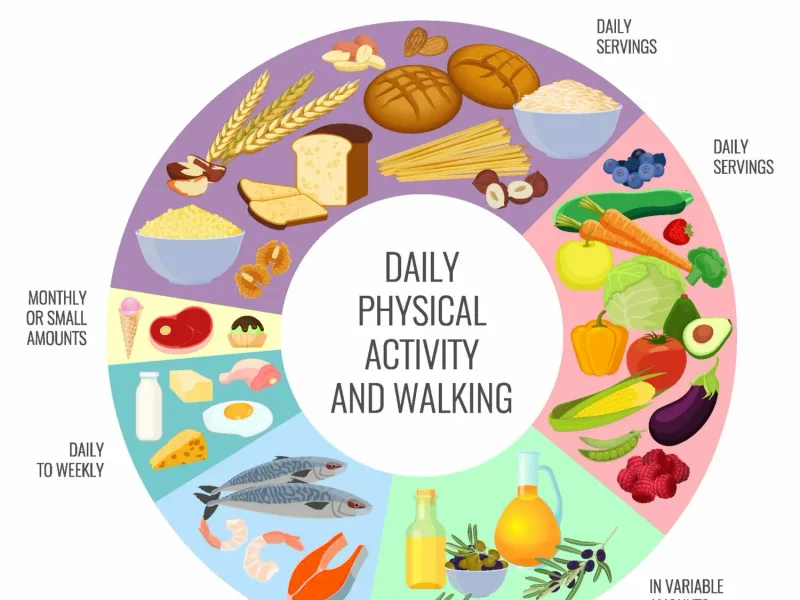
- Nutrition: A balanced dietary intake is critical. Collaborate with a dietitian or your physician to devise meal plans that complement your hormone regimen. Prioritize whole grains, lean proteins, fruits, and vegetables. Limiting sweetened beverages and processed foods is essential.
- Physical Activity: Regular exercise helps enhance the body's sensitivity to the hormone and aids in managing glucose levels. Aim for a minimum of 150 minutes of moderate-intensity aerobic activity each week, as recommended by the World Health Organization (WHO).
- Monitoring: Consistent glucose monitoring using a glucometer is indispensable. This practice helps individuals understand how food, activity, and the hormone itself impact their levels. Maintain a detailed log to share with your physician.
- Education: Continuous learning about managing the concern empowers individuals. Participate in workshops or seek information from credible sources, such as the Indian Council of Medical Research (ICMR) guidelines.
Navigating this daily regimen can indeed be challenging. The ongoing demands may feel overwhelming.
Nevertheless, it is important to remember that this hormone is a powerful tool that enables a fuller, healthier existence. Consider it akin to learning to ride a bicycle in childhood; initially difficult, but it soon becomes second nature, allowing one to journey further than ever before.
When to Consult a Specialist
While general physicians can capably manage many facets of this concern, certain circumstances warrant a consultation with a specialist, such as an endocrinologist. These medical professionals possess advanced training in hormone-related disorders, including diabetes. If an individual's glucose levels are persistently challenging to regulate, or if they frequently experience hypoglycemia (low glucose) or hyperglycemia (high glucose), seeking specialist advice is highly recommended.
Recovery is rarely linear.
What's more,, should complications like neuropathy (nerve damage) or retinopathy (eye issues) develop, an endocrinologist can offer more targeted therapeutic strategies. Institutions like the All India Institute of Medical Sciences (AIIMS) frequently establish benchmarks for specialized care, and local experts strive to provide comparable expertise.
The journey with this chronic illness is a marathon, not a sprint. With the appropriate intervention, steadfast support, and a proactive mindset, managing hormone therapy in the Buxar area can significantly improve health and well-being. An individual's commitment to their health remains the most crucial factor.
Always consult a qualified physician before making medical decisions.
Frequently Asked Questions
Can I eat rice if I have this situation?
Yes, consuming rice in moderation is permissible. Rice, particularly white rice, can elevate glucose levels rapidly. Opt for brown rice or other whole grains whenever feasible, and meticulously control portion sizes. Synchronizing rice intake with physical activity can also assist in moderating its impact on glucose concentrations.
How often should I check my glucose levels?
The frequency of glucose checks depends on an individual's specific management plan. Your physician will provide guidance based on whether you use the hormone, your type of diabetes, and your overall control. Typically, those on hormone therapy perform checks multiple times daily, especially before meals and at bedtime.
Most people overlook this completely.
What are the indicators of low glucose (hypoglycemia)?
Symptoms of hypoglycemia include tremors, perspiration, a rapid heart rate, lightheadedness, hunger, confusion, and irritability. If these occur, consume 15 grams of fast-acting carbohydrates, such as glucose tablets or fruit juice, and recheck your glucose in 15 minutes. Seek immediate medical attention if signs are severe.
Is this hormone addictive?
No, insulin is not addictive. It is a naturally occurring hormone that your body requires to regulate glucose. When the body does not produce enough of it, taking this hormone is a medical necessity, not a habit-forming substance. For many, it is a life-saving care.