Understanding Insulin Treatment in Giridih
Managing diabetes effectively often requires a robust management plan, and for many individuals in Giridih, insulin therapy is a crucial component. We often see people grappling with the complexities of blood sugar regulation.
This guide aims to demystify insulin care, offering insights into its administration, benefits, and the availability of expert care right here in Giridih.
Insulin, a vital hormone produced by the pancreas, regulates glucose (sugar) levels in the blood. When the body doesn't produce enough insulin or can't use it properly, blood sugar levels can become dangerously high. This condition, known as diabetes mellitus, necessitates external insulin administration for many.
India, unfortunately, faces a significant diabetes burden, with an estimated 77 million people living with diabetes in 2023, according to the International Diabetes Federation (IDF). Giridih, like other districts, sees a substantial number of individuals requiring advanced care.
Living with diabetes is genuinely hard, and the thought of managing insulin can seem daunting. However, with the right knowledge and support, it becomes a manageable aspect of daily life. Think about it this way: insulin acts like a key, unlocking your cells to let glucose in for energy. Without enough keys, the sugar builds up outside.
It sounds simple. It rarely is.
Types of Insulin Available
Several types of insulin are available, each differing in how quickly they start working, when they peak, and how long their effects last. Understanding these differences is key to achieving optimal glycemic control.
Rapid-Acting Insulin
These insulins start to work within 15 minutes, peak in about 1-2 hours, and last for 2-4 hours. They are typically taken just before or with meals to manage the blood sugar spike from eating. Examples include insulin lispro (Humalog) and insulin aspart (NovoLog).
Short-Acting (Regular) Insulin
Also known as regular insulin, it begins working in about 30 minutes, peaks in 2-3 hours, and lasts 6-8 hours. It's usually taken about 30 minutes before meals.
Intermediate-Acting Insulin
These insulins start working in 1-2 hours, peak in 4-12 hours, and last 14-24 hours. NPH (neutral protamine hagedorn) insulin is a common example. It often appears cloudy.
Long-Acting Insulin
Designed to provide basal (background) insulin coverage for 16-24 hours or even longer, these insulins have no real peak. They are taken once or twice a day to maintain steady blood sugar levels between meals and overnight. Examples include insulin glargine (Lantus) and insulin detemir (Levemir).
Pre-mixed Insulin
These combine intermediate-acting and short-acting or rapid-acting insulins in a single injection. They offer convenience for those who need both types of coverage but require multiple injections daily.
It sounds simple. It rarely is.
Administering Insulin: Techniques and Tips
Proper insulin administration is paramount for its effectiveness and to minimize discomfort. While physicians in Giridih provide detailed instructions, understanding the basics can empower individuals.
Injection Sites
widespread injection sites include the abdomen (at least 2 inches away from the belly button), the outer thigh, the upper outer area of the buttocks, and the back of the upper arms. Rotating these sites is crucial to prevent lipohypertrophy (lumps or indentations in the skin) and ensure consistent absorption.
The abdomen generally offers the most consistent absorption.
Using Syringes, Pens, and Pumps
Syringes: These come in various sizes (e.g., 30, 50, 100 units) with different needle lengths. It's vital to use the correct syringe for the type of insulin and to ensure the needle is sharp and new for each injection to reduce pain and improve absorption.
Insulin Pens: Pens offer convenience and portability. They come pre-filled or with replaceable cartridges. Doses are dialed in, and a click mechanism indicates the amount injected. Many specialists prefer pens for their ease of use.
Insulin Pumps: For some individuals, continuous insulin pumps provide a more flexible approach. These small, wearable devices deliver a steady basal rate of insulin and allow for bolus doses at mealtimes. Pump therapy requires close monitoring and specialist supervision.
Storage and Handling
Unopened insulin vials or pens should be stored in the refrigerator. Once opened, they can typically be kept at room temperature for about 28 days (check product instructions).
Avoid exposing insulin to extreme heat or cold, or direct sunlight. Always check the insulin's appearance; discard it if it looks cloudy (unless it's supposed to be), discolored, or has particles.
The Role of Healthcare Professionals in Giridih
Access to knowledgeable healthcare providers is indispensable for successful insulin management. Giridih is served by a network of dedicated physicians and specialists.
Endocrinologists and Diabetologists
These specialists possess deep expertise in hormonal disorders, including diabetes. They are instrumental in diagnosing diabetes, prescribing the appropriate insulin regimen, and managing complications. Many people find consulting with these specialists significantly boosts their confidence in managing their concern.
General Physicians and Primary Care
Your family doctor or a general physician often serves as the first point of contact. They can initiate insulin therapy, monitor blood glucose levels, adjust dosages based on regular check-ups, and provide essential lifestyle advice. India's primary healthcare system is strengthening, enabling more localized support.
It sounds simple. It rarely is.
Diabetes Educators and Nurses
These professionals play a vital role in patient education. They teach practical skills like injection techniques, blood glucose monitoring, recognizing hypo- and hyperglycemia (low and high blood sugar), and dietary adjustments. Their support is often invaluable.
Monitoring Blood Glucose Levels
Regular monitoring is non-negotiable for effective insulin management. It provides real-time data to make informed decisions about insulin doses, food intake, and physical activity.
Blood Glucose Meters (Glucometers)
These devices, readily available in Giridih pharmacies, use a small drop of blood (from a finger prick) to measure glucose levels. The World Health Organization (WHO) recommends regular monitoring as part of diabetes care.
Continuous Glucose Monitors (CGMs)
CGMs are more advanced devices that track glucose levels continuously throughout the day and night using a small sensor inserted under the skin. They provide trend data, alerting users to highs and lows. While newer, their adoption is growing.
What's the bottom line here? Consistent monitoring allows for proactive adjustments, preventing drastic fluctuations. A typical target fasting blood glucose level for many individuals with diabetes, as per general clinical guidelines, is between 80-130 mg/dL.
That alone changes everything.
Potential Challenges and How to Overcome Them
Navigating insulin therapy can present hurdles. Here's the thing — awareness and proactive strategies can mitigate most issues.
Hypoglycemia (Low Blood Sugar)
This occurs when blood sugar drops too low, often due to too much insulin, missed meals, or excessive exercise. Symptoms include shakiness, sweating, dizziness, confusion, and rapid heartbeat.
Prompt approach involves consuming fast-acting carbohydrates like glucose tablets, juice, or regular soda. Practicing safe injection techniques and understanding insulin action profiles help prevent this.
Hyperglycemia (High Blood Sugar)
This happens when blood sugar is too high, often due to insufficient insulin, illness, or stress. Signs include increased thirst, frequent urination, fatigue, and blurred vision. Proper insulin dosing, regular meals, and managing stress are key. Staying hydrated is also vital.
Injection Site Issues
Pain, bruising, or infection can occur. Using new, sharp needles for every injection, rotating sites, and ensuring proper technique significantly reduce these risks. If you experience persistent problems, consult your physician.
Cost and Accessibility
The cost of insulin and supplies can be a concern. Exploring options through government health schemes, local pharmacies offering discounts, or patient assistance programs can assist. The Indian Council of Medical Research (ICMR) is continuously working on making essential medicines more accessible.
The numbers don't lie.
Lifestyle Integration: Diet and Exercise
Insulin therapy works best when complemented by a healthy lifestyle. Making informed choices about diet and physical activity is crucial.
Dietary Recommendations
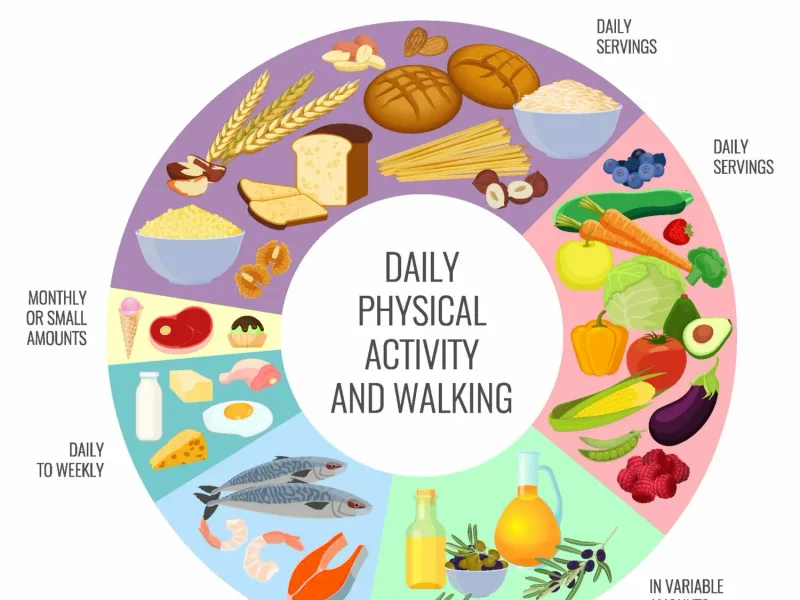
Focus on a balanced diet rich in whole grains, lean proteins, fruits, and vegetables. Portion control is vital, especially when consuming carbohydrates, as they directly impact blood sugar levels.
Consulting a dietitian or nutritionist in Giridih can provide personalized meal plans. For instance, choosing whole wheat roti over refined flour options can lead to a slower rise in blood sugar.
Importance of Exercise
Regular physical activity enhances insulin sensitivity, meaning your body uses insulin more effectively. Aim for at least 150 minutes of moderate-intensity aerobic activity per week, alongside muscle-strengthening exercises. Always consult your doctor before starting a new exercise regimen, especially if you are on insulin.
The Future of Insulin Therapy
Research continues to advance, promising even better insulin formulations and delivery systems. Smarter insulin that can automatically adjust based on glucose levels is on the horizon. Technological innovations are making management more streamlined.
So what does that mean for you? It means hope and continued improvement in managing diabetes. The dedication of healthcare institutions like the All India Institute of Medical Sciences (AIIMS) in advancing diabetes research and care benefits patients nationwide.
Key Takeaways
- Insulin therapy is vital for many in Giridih managing diabetes, regulating blood sugar levels.
- Understanding different insulin types (rapid, short, intermediate, long-acting) and proper administration techniques is crucial for powerful glycemic control.
- Regular blood glucose monitoring using glucometers or CGMs provides essential data for management adjustments.
- Collaboration with healthcare professionals—endocrinologists, physicians, and educators—ensures optimal care and support.
- Integrating insulin therapy with a balanced diet and regular exercise strengthens overall diabetes management.
Frequently Asked Questions
Can I eat rice if I have diabetes?
Yes, you can eat rice, but moderation and portion control are key. Opt for brown rice or unpolished varieties more often, as they have a lower glycemic index than white rice. Always monitor your blood sugar response after eating rice and consult your doctor or a dietitian for personalized advice.
This is where most people struggle.
How often should I check my blood sugar?
The frequency of blood sugar checks depends on your individual therapy plan, the type of insulin you use, and your daily routine. Generally, it's recommended to check before meals, before bed, and sometimes after exercise or if you feel warning signs of low or high blood sugar.
Your physician will provide a specific monitoring schedule tailored for you.
What are the signs of dangerously low blood sugar?
Dangerously low blood sugar (hypoglycemia) can manifest as shakiness, sweating, rapid heartbeat, dizziness, confusion, and even loss of consciousness. If you experience these warning signs, consume 15 grams of fast-acting carbohydrates immediately (like 3-4 glucose tablets or half a cup of juice) and recheck your sugar in 15 minutes.
Seek immediate medical attention if manifestations persist or worsen.
Is insulin a cure for diabetes?
No, insulin care is not a cure for diabetes; it is a management therapy. It helps control blood sugar levels when the body cannot produce or effectively use its own insulin.
While it allows individuals to live healthier lives, the underlying disorder of diabetes remains. Ongoing research aims for cures, but currently, management is the focus.
Always consult a qualified physician before making medical decisions.