Understanding Insulin Treatment for Diabetes in Simdega
Diabetes, a chronic condition affecting millions, requires careful management. In Simdega, like elsewhere in India, insulin therapy makes a real difference. We often see individuals grappling with the complexities of managing blood sugar levels. This guide aims to demystify insulin intervention, offering clarity and support for those affected.
Insulin is a hormone your pancreas naturally produces. It helps glucose (sugar) from your bloodstream enter your cells for energy. When your body doesn't produce enough insulin or can't use it effectively, blood sugar levels rise, leading to diabetes. India has a staggering 77 million diabetics (IDF, 2023), and precise care is vital.
Why Insulin Therapy is Essential
For many, especially those with Type 1 diabetes, insulin is not optional; it's life-sustaining. Their pancreas produces little to no insulin. Without external insulin, glucose cannot enter cells, leading to severe health complications. In Simdega, as in national healthcare standards, this is a primary therapeutic necessity.
Type 2 diabetes, while often managed initially with lifestyle changes and oral medications, may eventually require insulin. This can happen if the body's insulin production declines or becomes less responsive over time. What should you actually do? Consulting with a specialist is the first step.
And yet, so many people miss it.
Worth knowing: Many people fear starting insulin, often due to misconceptions. However, modern insulin formulations are safe and highly effective. They help prevent long-term diabetes complications like heart disease, kidney damage, and nerve problems. Reliable data from the Indian Council of Medical Research (ICMR) underscores the need for timely intervention.
Types of Insulin Available
Insulin comes in various types, categorized by how quickly they start working and how long their effects last. Physicians in Simdega will select the best type based on an individual's needs.
- Rapid-acting insulin: Starts working within 15 minutes, peaks in about 1-2 hours, and lasts 3-5 hours. Examples include insulin lispro and insulin aspart.
- Short-acting (regular) insulin: Starts working about 30 minutes before a meal, peaks in 2-3 hours, and lasts 6-8 hours.
- Intermediate-acting insulin: Starts working in 2-4 hours, peaks in 4-12 hours, and lasts 12-18 hours. NPH insulin is a common example.
- Long-acting insulin: Starts working in 4-6 hours and can last up to 24 hours or longer. Insulin glargine and insulin detemir fall into this category.
Basal-bolus therapy, a typical approach, combines long-acting insulin (basal) with rapid- or short-acting insulin (bolus) taken before meals. This mimics the body's natural insulin release pattern, offering excellent glycemic control.
Starting Insulin intervention: What to Expect
Beginning insulin therapy can feel daunting. However, with proper education and support, it becomes manageable. Many of us have seen patients initially anxious but later express relief at better blood sugar stability.
The Process:
- Consultation: A diabetes specialist or endocrinologist will assess your disorder, including your A1C levels (average blood sugar over 2-3 months) and overall health.
- Prescription: Based on your needs, the doctor prescribes a specific type and dosage of insulin. They will explain the injection technique.
- Education: You'll learn how to inject insulin correctly, store it, monitor blood glucose levels, and recognize signs of high or low blood sugar. Support groups in Simdega can be invaluable here.
- Monitoring: Regular blood glucose monitoring using a glucometer is crucial. This helps you and your doctor adjust insulin doses as needed.
Human Noise: Honestly, the first injection might feel strange. It’s like learning to ride a bicycle – a bit wobbly at first, but soon it becomes second nature. Remember, this step is empowering you to take charge of your health.
Managing Insulin Therapy Day-to-Day
powerful insulin management involves more than just injections. It requires a holistic approach.
Blood Glucose Monitoring: Regularly checking your blood sugar allows for timely adjustments. A target fasting blood glucose level is typically between 80-130 mg/dL, and post-meal levels should ideally be below 180 mg/dL, as per American Diabetes Association (ADA) guidelines.
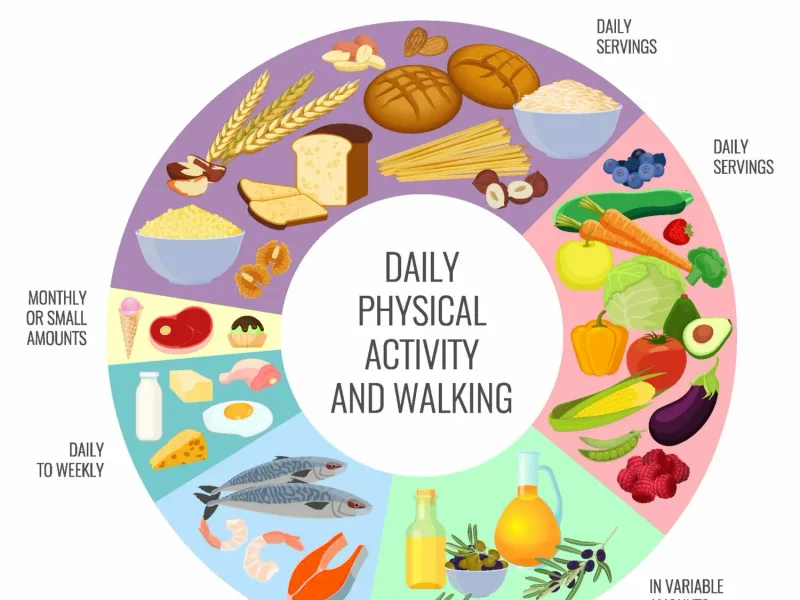
Diet and Nutrition: A balanced diet is key. Focus on whole grains, lean proteins, fruits, and vegetables. Carbohydrate counting can support you match insulin doses to your meals. For instance, a typical Indian meal might require careful portioning of rice or roti.
Physical Activity: Regular exercise helps improve insulin sensitivity. Aim for at least 150 minutes of moderate-intensity aerobic activity per week. Walking, cycling, or yoga are excellent options available in Simdega's community centers.
What most people miss: The connection between stress and blood sugar. Stress hormones can raise blood glucose levels, making management harder. Incorporating stress-reducing activities like meditation or deep breathing exercises is vital.
Hypoglycemia (Low Blood Sugar): This is a widespread side effect of insulin therapy. Symptoms include shakiness, sweating, dizziness, and confusion. What should you actually do? If you experience these, consume 15 grams of fast-acting carbohydrates, like glucose tablets or fruit juice, and recheck your sugar in 15 minutes. Is there a better way? Always have a source of fast sugar readily available.
Potential Challenges and Solutions
Living with diabetes and managing insulin can present hurdles. Yet, proactive strategies can overcome them.
- Injection Site Issues: Rotate injection sites (abdomen, thighs, buttocks, arms) to prevent lipodystrophy (lumps or dents in the skin).
- Weight Gain: Some people experience weight gain with insulin. This can often be managed through dietary adjustments and increased physical activity.
- Cost of Insulin: The affordability of insulin can be a concern. Exploring government schemes or generic insulin options might assist.
- Travel and Storage: Proper storage is crucial. Unopened insulin should be refrigerated, while opened vials can usually be kept at room temperature for a limited time (check product guidelines).
In real-world terms, insulin adherence is paramount. Missing doses or incorrect usage can lead to dangerous blood sugar fluctuations. Experienced physicians emphasize consistency.
The Role of Healthcare Providers in Simdega
Access to quality healthcare is fundamental. Simdega has dedicated medical professionals who can guide you through your diabetes journey.
Local primary health centers and hospitals offer consultations. Specialists, including endocrinologists and diabetes educators, provide tailored care plans. Building a strong relationship with your healthcare team ensures you receive the most appropriate and up-to-date management.
The World Health Organization (WHO) recommends regular follow-ups for diabetes management. These check-ups support monitor your progress and catch any potential complications early. For example, annual eye exams are vital to screen for diabetic retinopathy.
That's the part worth remembering.
Living Well with Insulin therapy
Insulin therapy is a powerful tool for managing diabetes effectively. It allows individuals to lead fulfilling lives, free from the constant worry of uncontrolled blood sugar. While it requires commitment, the benefits in terms of health and well-being are immense.
Embracing insulin means embracing a proactive approach to your health. It's about working with your body, not against it. Many sufferers find that once they adjust, their energy levels boost, and they feel significantly better. This journey, though challenging, is ultimately one of empowerment and resilience.
Key Takeaways
- Insulin therapy is vital for Type 1 diabetes and often necessary for advanced Type 2 diabetes.
- Different insulin types exist, requiring careful selection by a physician.
- Consistent monitoring, a healthy diet, and regular exercise are crucial for powerful management.
- Hypoglycemia is a potential risk, requiring immediate recognition and therapy.
- Regular consultation with healthcare providers in Simdega ensures optimal care.
Always consult a qualified physician before making medical decisions.
Frequently Asked Questions
Can I eat rice if I have diabetes?
Yes, you can eat rice, but portion control is vital. Rice is a carbohydrate that raises blood sugar levels. Opt for brown rice over white rice when possible, and be mindful of serving sizes. Discussing carbohydrate counting with your doctor or a dietitian can support you integrate rice into your meal plan safely.
How often should I check my blood sugar?
The frequency of blood sugar checks depends on your specific management plan. If you are on insulin, you may need to check before meals, before bedtime, and sometimes before or after exercise. Your doctor will provide a personalized schedule based on your situation and therapy.
Most people overlook this completely.
Does insulin therapy cause weight gain?
Some individuals may experience mild weight gain when starting insulin therapy. This can happen because insulin helps your body use glucose more efficiently, and it can also reduce glucose loss in urine. However, this can often be managed effectively through a balanced diet and regular physical activity.
Is insulin addictive?
No, insulin is not addictive. It is a hormone that your body needs to regulate blood sugar. When your body doesn't produce enough, external insulin therapy replaces what's missing, enabling normal bodily functions and preventing dangerous high blood sugar levels.