Understanding Jaundice: A Common Condition
Jaundice, a disorder characterized by yellowing of the skin and the whites of the eyes, arises from elevated bilirubin levels in the blood. Bilirubin is a yellowish pigment produced during the normal breakdown of red blood cells. Normally, the liver processes this bilirubin, excreting it into the intestines.
However, when this process is disrupted, bilirubin accumulates, leading to jaundice. In India, liver diseases are a significant public health concern, and understanding jaundice is the first step toward effective management.
Honestly, living with the discomfort and visual signs of jaundice can be quite distressing for anyone affected. The yellowing is often the most noticeable indicator, but other symptoms can accompany it, making a person feel unwell overall. What's the bottom line here? Prompt medical attention is crucial for accurate diagnosis and appropriate care.
Causes of Jaundice in Deoghar
The causes of jaundice are diverse and can range from mild, transient issues to serious underlying medical conditions. Identifying the root cause is vital for determining the correct treatment approach. Physicians in Deoghar, like elsewhere, categorize these causes based on where the problem occurs in the bilirubin processing pathway.
The numbers don't lie.
Pre-hepatic Causes
These occur before bilirubin reaches the liver. Hemolytic anemias, where red blood cells are destroyed faster than they can be produced, are a widespread example.
Conditions like malaria and certain autoimmune disorders can trigger excessive red blood cell breakdown, overwhelming the liver's capacity to process the resulting bilirubin. In real-world terms, this means the body is making too much of the yellow pigment too quickly.
Hepatic Causes
Problems within the liver itself lead to hepatic jaundice. Viral hepatitis (Hepatitis A, B, C) is a marked cause in India, with millions affected annually. Alcoholic liver disease, cirrhosis (scarring of the liver), and certain genetic disorders like Gilbert's syndrome also fall under this category.
Drug-induced liver injury is another factor; some medications can be toxic to the liver, impairing its function. According to the Indian Council of Medical Research (ICMR), viral hepatitis remains a major health challenge across the nation.
Post-hepatic Causes
These stem from blockages in the bile ducts, which carry bile (containing processed bilirubin) from the liver to the small intestine. Gallstones are a frequent culprit, obstructing the widespread bile duct.
Recovery is rarely linear.
Pancreatic cancer, particularly affecting the head of the pancreas, can also compress the bile duct. Strictures (narrowing) of the bile ducts due to inflammation or previous surgery can also impede bile flow.
Recognizing the Signs and signs
While the yellowing of skin and eyes is the hallmark sign, several other indicators often accompany jaundice. These indicators can vary depending on the underlying cause and the severity of the concern. Recognizing these signs helps in seeking timely medical help.
- Yellowing of Skin and Eyes (Scleral Icterus): This is the most visible indicator.
- Dark Urine: Bilirubin excreted by the kidneys can make urine appear dark brown or tea-colored.
- Pale Stools: If bile flow is blocked, stools may lose their normal brown color and appear pale or clay-colored.
- Abdominal Pain and Swelling: Discomfort in the upper right abdomen, where the liver is located, can occur.
- Fatigue and Weakness: A general feeling of tiredness is typical.
- Itching (Pruritus): Accumulation of bile salts in the skin can cause intense itching.
- Nausea and Vomiting: Especially prevalent with liver inflammation or blockages.
- Loss of Appetite and Weight Loss: Can be indicative of serious underlying conditions like liver disease or cancer.
So what does that mean for you? Paying attention to these changes in your body is vital for early detection and intervention.
Jaundice therapy Approaches in Deoghar
The care for jaundice is entirely dependent on its underlying cause. Physicians in Deoghar employ a range of diagnostic tools and therapeutic strategies to manage this situation effectively. The goal is always to address the root problem and alleviate the indicators.
Diagnostic Procedures
Before initiating any therapy, specialists will conduct thorough investigations. These typically include:
- Blood Tests: To measure bilirubin levels (total and direct), liver enzymes (ALT, AST), alkaline phosphatase, and complete blood count (CBC) to check for anemia or infection.
- Liver Function Tests (LFTs): These assess how well the liver is performing its various functions.
- Imaging Studies: Ultrasound of the abdomen is often the first imaging test used to visualize the liver, gallbladder, and bile ducts. CT scans or MRIs may be employed for more detailed views, especially if a blockage is suspected.
- Viral Serology: Blood tests to detect antibodies or antigens related to Hepatitis A, B, and C viruses.
- Biopsy: In some cases, a liver biopsy might be necessary to examine liver tissue for inflammation, scarring, or other abnormalities.
Medical Therapies
Depending on the diagnosis, various medical treatments are utilized:
- For Viral Hepatitis: Antiviral medications are prescribed to combat infections like Hepatitis B and C. Supportive care, including rest and adequate hydration, is essential.
- For Alcoholic Liver Disease: Complete abstinence from alcohol is the most crucial step. Nutritional support and medications to manage complications like fluid retention may be given.
- For Gallstones Causing Blockage: Medications might be used to dissolve certain types of stones, or procedures like ERCP (Endoscopic Retrograde Cholangiopancreatography) may be performed to remove stones from the bile ducts.
- For Drug-Induced Liver Injury: Discontinuing the offending medication is paramount.
Surgical Interventions
Surgery becomes necessary when jaundice is caused by a physical obstruction that cannot be resolved endoscopically. This could involve:
- Cholecystectomy: Removal of the gallbladder, often performed laparoscopically, especially if gallstones are the cause.
- Bile Duct Exploration and Repair: To clear blockages or repair damage to the bile ducts.
- Tumor Resection: Surgical removal of tumors in the liver, pancreas, or bile ducts, if feasible.
Supportive Care and Lifestyle Adjustments
Regardless of the primary approach, supportive care plays a vital role in recovery. This includes:
- Hydration: Drinking plenty of fluids helps the body flush out toxins.
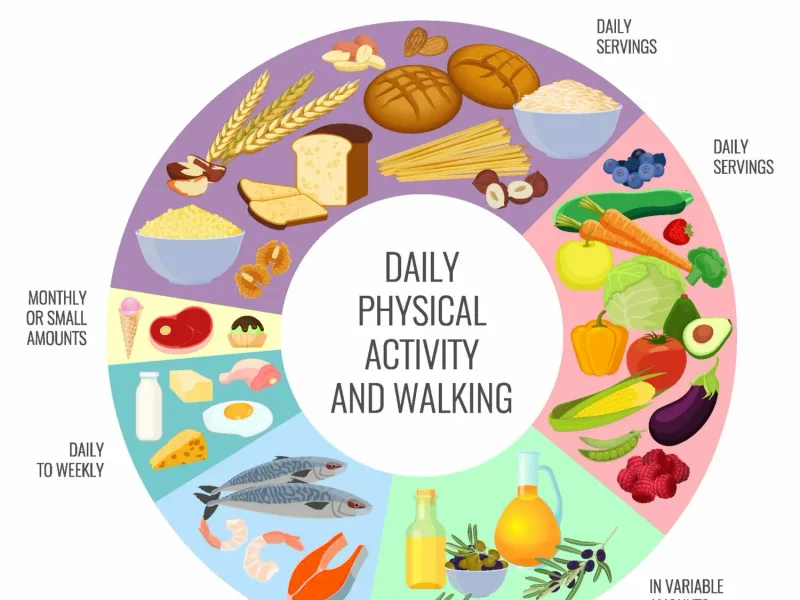
- Nutrition: A balanced diet is crucial. Physicians often recommend avoiding fatty foods, alcohol, and processed items. For those with severe liver issues, specific dietary recommendations from a nutritionist might be needed. India's diverse cuisine can be adapted; focusing on easily digestible foods like rice, dal, and cooked vegetables is generally advised.
- Rest: Adequate rest allows the body to heal and conserve energy.
- Medication Management: Adhering strictly to prescribed medications is key to intervention success.
Worth knowing: Jaundice in newborns (neonatal jaundice) is typical and often resolves on its own, but requires careful monitoring. Phototherapy, using special lights, is a standard approach for mild to moderate cases, as recommended by the World Health Organization (WHO).
The numbers don't lie.
Neonatal Jaundice: A Special Consideration
Neonatal jaundice affects a meaningful percentage of newborns. In India, where birth rates are high, understanding and managing this concern is critical. Most cases are physiological (normal) and resolve within a week or two. However, pathological jaundice requires prompt intervention to prevent potential brain damage (kernicterus).
therapy typically involves:
- Phototherapy: Exposing the baby to specific wavelengths of blue light converts bilirubin into a water-soluble form that the baby can excrete more easily. This is a safe and successful approach.
- Exchange Transfusion: In severe cases, where phototherapy is insufficient, a baby's blood may be partially or completely replaced with donor blood.
- Close Monitoring: Regular checks of bilirubin levels are essential to track progress and adjust management as needed.
What's the bottom line here? Early detection and appropriate care can prevent long-term complications in newborns.
When to Seek Specialist Care in Deoghar
While mild jaundice might resolve with basic care, certain situations warrant immediate consultation with a specialist. If you observe any of the following, do not delay seeking medical advice from physicians in Deoghar:
- Sudden onset of jaundice, especially in adults.
- Severe abdominal pain accompanying jaundice.
- Fever, chills, or vomiting.
- Changes in mental state, confusion, or lethargy.
- Dark urine and pale stools occurring together.
- Jaundice persisting for more than two weeks in adults or not improving in newborns after appropriate therapy.
Honestly, ignoring these warning signs can lead to severe health consequences. Trust your instincts and consult a healthcare professional promptly.
Preventive Measures for Liver Health
While not all causes of jaundice are preventable, maintaining good liver health can reduce the risk of certain conditions. Key preventive strategies include:
- Vaccination: Get vaccinated against Hepatitis A and B.
- Safe Practices: Practice safe sex and avoid sharing needles to prevent Hepatitis B and C transmission.
- Moderation: Limit alcohol consumption. Excessive intake is a major cause of liver damage.
- Healthy Diet: Maintain a balanced diet rich in fruits, vegetables, and whole grains. Avoid excessive intake of processed foods and unhealthy fats.
- Medication Awareness: Use medications, including over-the-counter drugs and herbal supplements, judiciously. Always inform your doctor about all medications you are taking.
- Regular Check-ups: Especially if you have a family history of liver disease or other chance factors.
Living with the threat of liver disease is genuinely hard, but taking proactive steps can significantly improve your outlook.
Key Takeaways
- Jaundice is a symptom of an underlying issue, not a disease itself, caused by high bilirubin levels.
- Causes range from red blood cell breakdown (hemolysis) to liver diseases (hepatitis, cirrhosis) and bile duct obstructions (gallstones).
- management in Deoghar depends entirely on the specific cause, involving medication, surgery, or supportive care.
- Neonatal jaundice is typical but requires monitoring; phototherapy is a standard management.
- Preventive measures focus on vaccination, safe practices, and maintaining a healthy lifestyle to protect liver health.
Frequently Asked Questions
Can I eat rice if I have jaundice?
Yes, in most cases, you can eat rice if you have jaundice, especially if it's a mild case or during recovery. Rice is a staple and generally easy to digest.
However, if your jaundice is due to a liver situation that requires a specific diet, consult your doctor or a nutritionist for personalized advice. They might recommend portion control or specific preparations.
How long does jaundice approach take?
The duration of jaundice management varies greatly depending on the underlying cause and the individual's response to therapy. Mild cases, like physiological neonatal jaundice or some viral hepatitis infections, might resolve within a few weeks.
Recovery is rarely linear.
However, more severe conditions, such as advanced liver disease or bile duct obstructions requiring surgery, can take months to recover from, and may involve long-term management.
Is jaundice contagious?
Jaundice itself is not contagious, but the conditions causing it can be. For example, viral hepatitis (Hepatitis A, B, C) can be transmitted from person to person through different routes (food, blood, sexual contact).
Other causes, like gallstones or alcoholic liver disease, are not contagious. It is crucial to understand the specific cause of jaundice to know if it poses a danger of transmission.
What foods should be avoided during jaundice?
During jaundice, it's generally advisable to avoid foods that can strain the liver or digestive system. This includes fatty and fried foods, processed foods, excessive spices, and alcohol.
Red meat might also be difficult to digest for some. Focus on a bland, easily digestible diet comprising fruits, vegetables, lean proteins, and simple carbohydrates like rice and roti, as recommended by your healthcare provider.
Always consult a qualified physician before making medical decisions.