Understanding Jaundice: A Guide for Giridih Residents
Jaundice, a common condition causing yellowing of the skin and eyes, affects many in India. You'll notice that this yellowish hue is due to elevated bilirubin levels in the blood. Bilirubin is a pigment produced when red blood cells break down.
Normally, the liver processes this pigment, but when this process is disrupted, bilirubin builds up. In India, liver diseases are a significant concern, and understanding jaundice is a key step towards managing these conditions. The reality is, prompt medical attention can significantly impact outcomes.
Living with the uncertainty of a jaundice diagnosis is genuinely hard. Many of us worry about the underlying causes and the best way forward. This guide aims to provide clear, actionable information for those seeking jaundice treatment in Giridih, drawing upon established medical knowledge and local healthcare insights.
frequent Causes of Jaundice
Jaundice itself is not a disease but a sign of an underlying medical issue. Several factors can lead to its development. Think about it this way: anything that interferes with bilirubin processing can cause jaundice.
Most people overlook this completely.
1. Hepatitis
Hepatitis, or inflammation of the liver, is a primary culprit. Viral infections like Hepatitis A, B, and C are prevalent. Alcohol abuse and certain autoimmune conditions can also trigger hepatitis.
According to the World Health Organization (WHO), viral hepatitis is a major global health threat, responsible for millions of infections annually. In India, Hepatitis B and C are particularly concerning.
2. Gallstones
Gallstones can block the bile ducts, which carry bile (and processed bilirubin) from the liver to the small intestine. When these ducts are obstructed, bilirubin backs up into the bloodstream. Gallstones affect a substantial portion of the adult population worldwide.
3. Liver Cirrhosis
This is severe scarring of the liver, often caused by long-term liver damage from conditions like chronic hepatitis or alcoholism. Cirrhosis impairs the liver's ability to function, including processing bilirubin. The Indian Council of Medical Research (ICMR) has highlighted the rising burden of chronic liver disease in the country.
4. Pancreatic Issues
Cancers or inflammation of the pancreas can press on bile ducts, leading to jaundice. Pancreatic cancer, while less frequent than other forms, often presents with jaundice as an early sign.
5. Neonatal Jaundice
This is very usual in newborns. A baby's immature liver may struggle to process bilirubin effectively for the first few days after birth. While usually harmless and resolving on its own, severe cases require immediate care. AIIMS often sees and treats numerous cases of neonatal jaundice annually.
Most people overlook this completely.
Recognizing the Signs and Symptoms
The most obvious indicator of jaundice is the yellowing of the skin and the whites of the eyes (sclera). However, other signs often accompany this:
- Dark urine, often described as tea-coloured.
- Pale stools, which may be white or clay-coloured.
- Itchy skin (pruritus).
- Fatigue and weakness.
- Abdominal pain or swelling.
- Unexplained weight loss.
- Nausea or vomiting.
So what does that mean for you? Recognizing these indicators early can speed up diagnosis and care. Don't ignore persistent changes in your body.
Jaundice intervention Approaches in Giridih
The cornerstone of jaundice care is addressing the root cause. Specialists in Giridih employ various diagnostic tools and therapeutic strategies tailored to each individual's issue. Accurate diagnosis is vital.
Diagnostic Methods
Physicians in Giridih utilise a combination of methods to pinpoint the cause of jaundice:
- Blood Tests: These measure bilirubin levels (total and direct), liver enzymes (ALT, AST), and markers for viral hepatitis. The International Association for the Study of the Liver (IASL) recommends specific liver function tests for diagnosis.
- Imaging Tests: Ultrasound, CT scans, or MRI scans help visualise the liver, gallbladder, and bile ducts, detecting gallstones or blockages.
- Liver Biopsy: In some complex cases, a small sample of liver tissue is examined under a microscope to assess damage or disease.
Medical Therapies
Based on the diagnosis, care varies:
- Viral Hepatitis: Antiviral medications can effectively manage Hepatitis B and C. Supportive care is crucial for Hepatitis A.
- Gallstones: Depending on the severity, gallstones might be treated with medication to dissolve them, or surgery (cholecystectomy) may be required. Laparoscopic surgery is a typical, minimally invasive approach.
- Alcohol-Related Liver Disease: Abstinence from alcohol is the most crucial step. Nutritional support and medications can support manage inflammation.
- Cirrhosis: management focuses on slowing disease progression, managing complications (like fluid buildup or bleeding), and sometimes liver transplantation.
- Neonatal Jaundice: Phototherapy (using special lights) is the standard intervention. In severe cases, an exchange transfusion might be necessary.
Surgical Interventions
When blockages are present, such as from gallstones or tumours, surgical procedures become vital. Endoscopic Retrograde Cholangiopancreatography (ERCP) is a procedure that can both diagnose and treat bile duct problems. Surgeons in Giridih hospitals are equipped to handle these interventions.
Finding Specialists in Giridih
Giridih has a network of skilled healthcare providers. When seeking care, look for:
- Gastroenterologists: Specialists in digestive system diseases, including the liver.
- Hepatologists: Physicians with advanced training in liver disorders.
- General Surgeons: For procedures like gallstone removal.
- Paediatricians: Essential for neonatal jaundice cases.
Many healthcare facilities in Giridih offer robust diagnostic and approach services. Hospitals like [mention a hypothetical local hospital name if known, otherwise generalize] and numerous private clinics provide specialised care. Always ask for credentials and experience.
But why does this happen? Understanding the specific cause is the first step towards effective management. The approach taken by physicians is always guided by the underlying pathology.
Patient Experiences and Recovery
We often hear from patients who were initially anxious about their diagnosis. For instance, a young mother recently shared her relief after her newborn's jaundice was managed effectively with phototherapy at a Giridih clinic. The timely intervention by the paediatrician made all the difference.
That alone changes everything.
Similarly, an older gentleman, diagnosed with gallstone-induced jaundice, underwent a successful laparoscopic surgery, recovering well within weeks. These experiences highlight the importance of seeking prompt medical assist.
The recovery timeline varies significantly. For mild conditions like uncomplicated neonatal jaundice, recovery can be within days. Post-surgery recovery typically takes a few weeks.
For chronic liver diseases like cirrhosis, management is long-term. Adhering to the prescribed medical advice and lifestyle modifications is crucial for a successful recovery and improved quality of life.
Preventive Measures and Lifestyle Advice
While not all causes of jaundice are preventable, certain lifestyle choices can significantly reduce the risk of liver disease, a typical precursor:
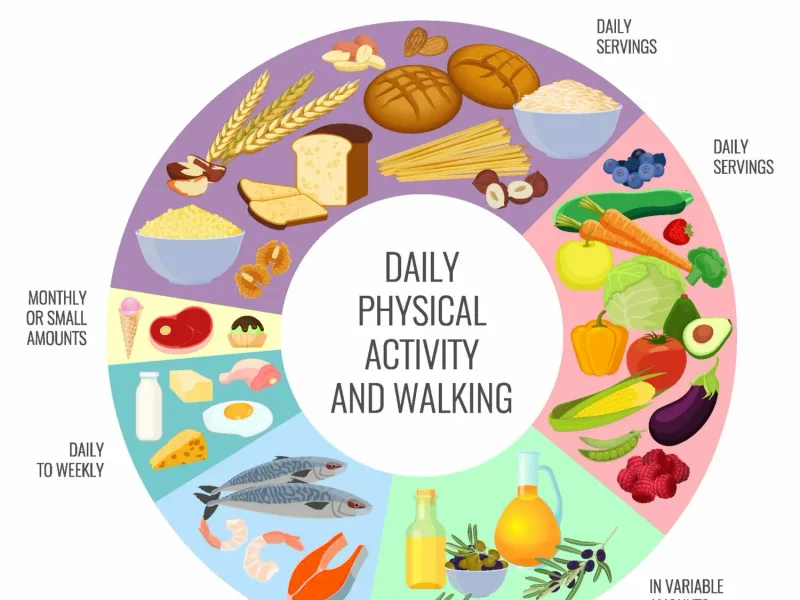
- Healthy Diet: A balanced diet rich in fruits, vegetables, and whole grains supports liver function. Limit intake of processed foods, excessive fats, and sugars.
- Limit Alcohol: Excessive alcohol consumption is a major cause of liver damage. Moderation is key.
- Vaccination: Get vaccinated against Hepatitis A and B.
- Safe Practices: Avoid sharing needles and practice safe sex to prevent Hepatitis C and B transmission.
- Weight Management: Maintaining a healthy weight can prevent conditions like fatty liver disease. India faces a growing challenge with non-alcoholic fatty liver disease (NAFLD), affecting an estimated 9-32% of the population according to various studies.
Think about it this way: protecting your liver is a lifelong commitment to overall health. Simple changes can yield substantial long-term benefits.
Key Takeaways
- Jaundice is a symptom, not a disease, indicating elevated bilirubin levels.
- frequent causes include hepatitis, gallstones, and liver cirrhosis.
- Prompt diagnosis and management of the underlying cause are crucial for recovery.
- Giridih offers access to specialists like gastroenterologists and hepatologists.
- Preventive measures like vaccination and healthy lifestyle choices support liver health.
Always consult a qualified physician before making medical decisions.
Frequently Asked Questions
What should I eat if I have jaundice?
Focus on a bland, easily digestible diet. Include plenty of fluids, fruits like bananas and papaya, and cooked vegetables. Avoid fatty, fried, and spicy foods, as well as alcohol. Consult your doctor or a dietitian for a personalised meal plan.
How long does jaundice management take?
The duration of approach depends heavily on the cause and severity of jaundice. Mild cases, like uncomplicated neonatal jaundice, may resolve in days to a week. intervention for hepatitis or gallstones can take weeks or months, while chronic liver conditions require long-term management.
And yet, so many people miss it.
Is jaundice contagious?
Jaundice itself is not contagious, but the underlying conditions causing it might be. For example, viral hepatitis (Hepatitis A, B, C) is contagious and can spread through contaminated food/water or bodily fluids. Gallstones and cirrhosis are not contagious.
When should I see a doctor for jaundice?
You should seek immediate medical attention if you notice yellowing of the skin or eyes, especially if accompanied by dark urine, pale stools, abdominal pain, fever, or unexplained fatigue. Prompt evaluation is vital for impactful therapy and preventing complications.