Understanding Icterus: A Prevalent Clinical Presentation
Icterus, commonly known as jaundice, presents as a yellowish discoloration of the skin and the sclera (whites of the eyes). This observable change frequently signals an underlying health concern, predominantly linked to hepatic function. Observing this alteration, either in oneself or a family member, can understandably cause apprehension. The condition arises from an accumulation of bilirubin, a yellow pigment generated during the routine degradation of red blood cells, within the body.
Typically, the hepatic system processes and eliminates bilirubin. Yet, when the organ is afflicted by illness or injury, or when an excessive destruction of red blood cells occurs, bilirubin concentrations elevate, resulting in this characteristic yellowing. Across India, ailments affecting the hepatic system represent a substantial public health issue, impacting millions each year.
Etiologies of Yellowing Skin: Deeper Insights
Numerous factors can contribute to the development of this yellowish skin tone. These range from infectious agents and inherited disorders to autoimmune conditions and exposure to specific toxins. Often, viral inflammation of the liver (types A, B, C, D, and E) emerges as a primary culprit.
For example, the types A and E of hepatic inflammation frequently spread via contaminated food or water, a risk prevalent in diverse geographical areas. Determining the specific origin is paramount for effective intervention.
That's the part worth remembering.
- Hepatic Ailments: Conditions such as cirrhosis (scarring of the hepatic organ), alcohol-related hepatic disease, and non-alcoholic fatty hepatic disease (NAFLD) diminish the organ's capacity to metabolize bilirubin.
- Bile Duct Obstruction: Gallstones, inflammation within the bile ducts (cholangitis), or neoplastic growths can impede the flow of bile from the hepatic system to the intestine, causing bilirubin to reflux into the bloodstream.
- Haemolytic Anaemia: This situation develops when red blood cells are destroyed more rapidly than the bone marrow can replenish them. Certain diseases, such as malaria, can also precipitate haemolytic anaemia.
- Neonatal Icterus: A significant proportion of newborns experience this yellowing. Physiological icterus is common and typically resolves spontaneously, but pathological presentations necessitate immediate clinical evaluation. India records a considerable number of infant cases annually, underscoring the need for prompt screening and care.
- Certain Pharmaceutical Agents: Some medications, including particular antibiotics, steroids, and oral contraceptives, have the potential to impact hepatic function and potentially induce this skin discoloration.
Identifying the Manifestations and Indicators
The most evident sign is the yellowing of the skin and eyes. Nevertheless, other symptoms frequently accompany this discoloration, contingent upon the underlying origin. These co-occurring indicators can offer crucial diagnostic information to clinicians. Such warning signs may encompass:
- Dark-colored urine (resembling tea)
- Pale or clay-like stools
- Abdominal discomfort or distension
- Nausea and emesis (vomiting)
- Diminished appetite
- Pyrexia (fever)
- Fatigue and general weakness
- Unexplained reduction in body mass
- Pruritus (itching)
The seriousness of the concern is entirely dependent on its fundamental basis. While mild presentations might resolve with basic supportive care, severe instances demand urgent clinical intervention.
Managing Icterus in Godda: Therapeutic Approaches
The foundational principle for managing icterus in Godda, as in other locations, involves addressing the underlying problem. Physicians in Godda use a variety of diagnostic instruments and therapeutic strategies.
Personalizing the approach for each patient is a key aspect of successful care. A care plan is formulated following thorough diagnostic workups, which include blood tests to quantify bilirubin and hepatic enzyme levels, imaging studies like ultrasound or CT scans, and occasionally, a biopsy of the hepatic tissue.
This is where most patients struggle.
Addressing the Primary Etiology
Viral Hepatic Inflammation: Antiviral agents are prescribed for specific types of viral hepatic inflammation to control the pathogen and alleviate inflammation within the organ. Supportive measures, including rest and a balanced diet, are essential. In line with WHO recommendations, immunization against Hepatic A and B serves as a crucial preventative strategy.
Bile Duct Obstruction: If gallstones are the reason for the blockage, surgical removal of the gallbladder (cholecystectomy) or endoscopic procedures, such as ERCP (Endoscopic Retrograde Cholangiopancreatography), may be necessary to extract them. Neoplasms might require surgical excision or other oncological therapies.
Hepatic Organ Disease: The management of chronic hepatic conditions like cirrhosis entails lifestyle modifications (e.g., abstinence from alcohol, dietary adjustments), pharmacological agents to mitigate complications, and in advanced cases, hepatic transplantation. Specialists at prominent institutions often spearhead the complex care of hepatic ailments.
Haemolytic Anaemia: Interventions focus on resolving the factor causing red blood cell destruction, which could involve medications, blood product transfusions, or splenectomy (surgical removal of the spleen).
Supportive Care and Lifestyle Adjustments
Irrespective of the specific origin, supportive care remains paramount. This encompasses:
- Fluid Balance: Ensuring adequate fluid intake is crucial for optimal physiological functioning.
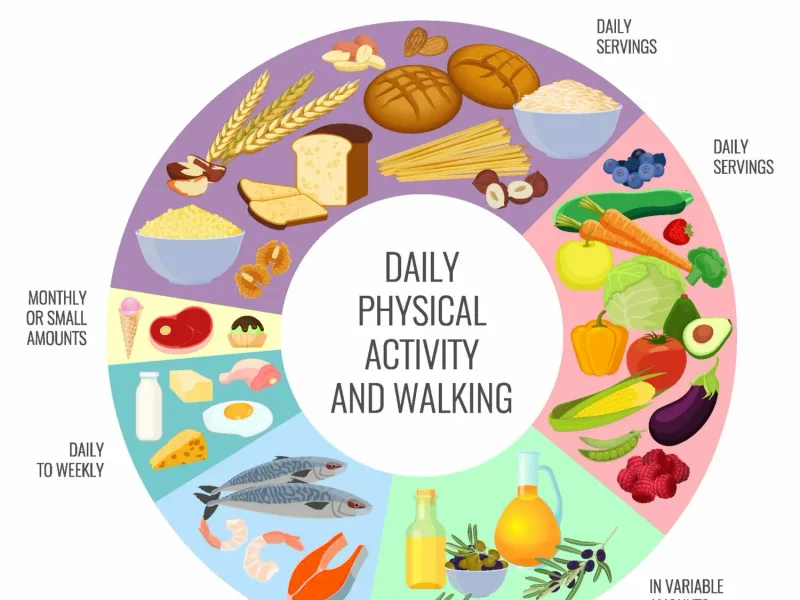
- Nutritional Intake: A well-balanced diet, often low in fat and abundant in fruits and vegetables, is typically advised. Physicians may recommend specific dietary regimens based on the hepatic organ's state. For instance, individuals with severe hepatic impairment might need to restrict protein consumption.
- Rest: Sufficient rest helps the body conserve energy and facilitates recuperation.
- Avoidance of Harmful Substances: It is imperative to abstain from alcohol and certain medications that could further compromise the hepatic system.
Living with a chronic hepatic issue can indeed be challenging, yet consistent clinical follow-up and adherence to prescribed care regimens can significantly enhance one's quality of life.
Accessing Expert Healthcare in Godda
Godda, like other districts within Jharkhand, possesses a network of hospitals and clinics staffed by qualified physicians and specialized practitioners. When icterus is suspected, seeking prompt clinical attention is essential. Early diagnosis and appropriate therapeutic strategies can avert complications and improve recovery.
Many local healthcare facilities are equipped for initial assessment, referring intricate presentations to larger hospitals or tertiary care centers. The Indian Council of Medical Research (ICMR) underscores the importance of accessible primary healthcare for managing prevalent presentations like this yellowish skin issue.
When to Consult a Physician
Seek immediate consultation with a doctor if you or someone you know exhibits:
- Yellowing of the skin or eyes
- Dark-colored urine
- Pale stools
- Persistent tiredness
- Unexplained abdominal discomfort
Timely consultation ensures accurate diagnosis and successful management of the presentation. India boasts an extensive healthcare infrastructure, and timely access to care is a critical determinant in patient outcomes.
Key Information Summarized
- Icterus serves as an indicator of an underlying issue, frequently related to hepatic function or the breakdown of red blood cells.
- Intervention focuses on addressing the specific etiology, whether it's viral hepatic inflammation, gallstones, or a disease of the hepatic organ.
- Early clinical consultation is vital for precise diagnosis and proven management within Godda.
- Supportive measures, including proper nutrition and adequate rest, play a crucial role in the recuperation process.
- India faces a substantial burden from hepatic ailments, making awareness and timely care paramount.
Frequently Asked Questions
Can I maintain my usual diet if I exhibit this yellowish skin?
Your dietary intake should be meticulously managed. Physicians often advise a balanced diet, low in fats and rich in fruits and vegetables. Avoid alcohol and consult your physician regarding specific restrictions, particularly if you have an underlying hepatic ailment.
Here's where it gets interesting.
Is this yellowish skin discoloration communicable?
Icterus itself is not infectious, but the conditions that give rise to it can be. For instance, Hepatic A and E spread through contaminated food and water, while Hepatic B and C can be transmitted via blood and bodily fluids.
How long does the resolution process for this yellowing take?
The duration of the care regimen varies considerably depending on the fundamental reason and the patient's overall health status. Mild presentations might resolve within a few weeks, whereas severe hepatic organ disease or associated complications could necessitate long-term management.
What are the long-term consequences of icterus?
If the underlying etiology is promptly and effectively addressed, the long-term repercussions can be minimal. However, untreated or severe conditions affecting the hepatic system that lead to this yellowing can result in chronic hepatic damage, cirrhosis, and ultimately, hepatic failure.
Always consult a qualified physician before making health-related decisions.